





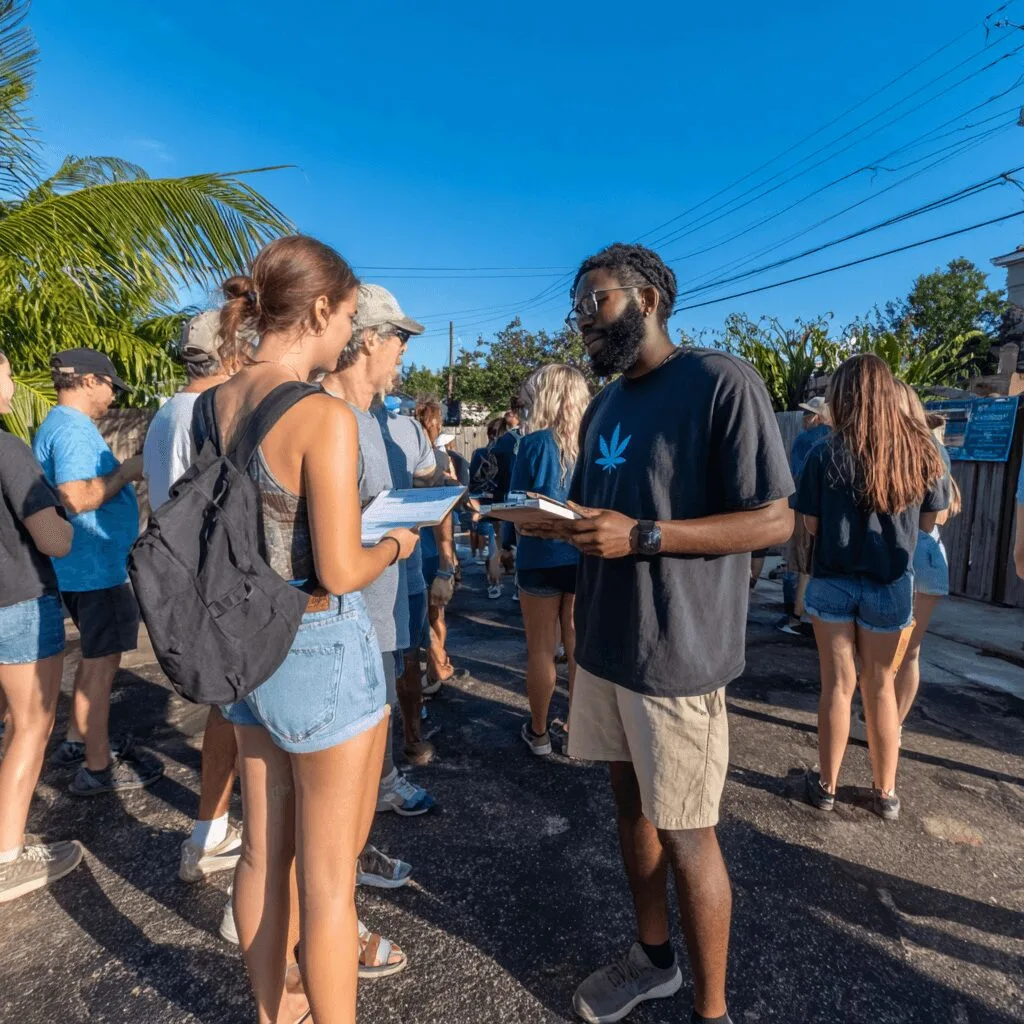
Florida Cannabis Legalization Ballot: What’s at Stake in 2026?
The conversation around cannabis in the Sunshine State just got a whole lot louder. With the Florida Cannabis Legalization Ballot set for 2026, weed is back on the main stage, hotter than a Miami summer. This isn’t just about lighting up—it’s about potential billions in new revenue, long-overdue criminal justice reform, and honestly, giving voters a say in how Florida rolls into the future. With evolving laws and shifting attitudes, everybody’s eyes are on this ballot. Here’s why you should care, what’s happening behind the curtain, and what it could mean for both seasoned advocates and everyday citizens.
Florida’s Cannabis Crossroads: Regulatory and Social Backdrop
Florida’s relationship with cannabis is, well, complicated. While medical cannabis has been legal since voters approved Amendment 2 in 2016, full-scale legalization has been stuck in a parade of courtrooms, campaigns, and old-guard opposition. The current landscape is set by the Florida Senate and the Department of Health’s tight chokehold on licensing and regulation, which has made entry hard for small operators and kept supply in a headlock. Nationally, the market is trending green, with 36 states having some form of legalized cannabis as of 2024, per NORML. For Florida, fierce pushback from conservative groups and major business interests has made every step forward a battle, while changing demographics—millennials, retirees, immigrants—add complexity. This landscape reflects trends seen nationwide, as regulatory, medical, and social factors collide, similar to the progress and challenges detailed in Connecticut’s push for cannabis social equity. Recent P.S.A. campaigns and polling from Pew Research highlight that public support for legalization is higher than ever, making the Florida Cannabis Legalization Ballot the state’s most scrutinized issue of 2026.
Latest Developments and Core Issues Surrounding the Ballot
So, where does the action stand? According to a recent Miami New Times report, the proposed amendment, pushed by advocacy group Smart & Safe Florida, has cleared the signature threshold to appear on the 2026 general election ballot. The initiative aims to legalize recreational cannabis use for adults 21 and over, establishing a framework for sales and possession that mirrors states like Colorado and Michigan. This mirrors innovation trends that are powering the survival and evolution of retail spaces, much like the ways cannabis market solutions are driving vape shop success nationally. The group not only rallied over a million Floridians to sign, but also secured robust funding from industry players, with Trulieve, the state’s largest medical cannabis operator, as a primary donor. Legal challenges by the Florida Attorney General’s office tried to block the measure, arguing ‘misleading language’, but the state Supreme Court ruled 5-2 in favor of keeping the amendment on the ballot in 2026. This marks the culmination of years of legislative wrangling and grassroots hustle, positioning the Florida Cannabis Legalization Ballot as a litmus test for national reform efforts. The amendment, if passed, will fund schools and state programs using cannabis tax revenue, cap possession at three ounces, and allow home cultivation with strict guidelines—a direct shot at black-market supply lines and overzealous enforcement. As the November 2026 showdown looms, Smart & Safe Florida, state officials, and major cannabis players are prepping for an all-out blitz to sway public opinion ahead of the vote.
Expert Insights: What Legalization Means for Florida’s Cannabis Scene
The potential tsunami of change riding on the Florida Cannabis Legalization Ballot isn’t lost on industry insiders. According to Marijuana Moment, experts tout Florida’s market as the next ‘green gold rush’ if adult-use legalization passes. Economist Amanda Reiman of the Drug Policy Alliance told reporters, “Florida is uniquely primed for explosive growth. Legalization would yield not just economic windfalls, but real justice for those harmed by the failed drug war.” As consumer safety and policy development are highlighted by industry publications, there is also rising attention on medical education and patient care—topics thoroughly discussed in guides such as evolving medical cannabis education competencies for healthcare professionals. Plus, with chronic pain and mental health as leading medical conditions in Florida, legalization could provide fresh therapeutic options alongside sparking entrepreneurship, tourism, and tax revenue. Still, the shadow of federal law—cannabis remains a Schedule I drug—complicates interstate commerce. However, major players, including Trulieve, Curaleaf, and Ayr Wellness, are poised to expand operations and hire thousands, setting the stage for Florida to emerge as an East Coast cannabis hub. In short, this isn’t just a grassroots campaign, it is an industry-defining moment, with ripple effects sure to be felt in Georgia, Alabama, and beyond.
Looking Ahead: What’s Next for Florida Cannabis and Its People?
The Florida Cannabis Legalization Ballot is a high-stakes gamble—not just for businesses, but for everyday Floridians. If voters say yes in 2026, Florida could quickly jump to the front lines of cannabis reform in the South, unlocking billions in economic activity, reducing criminalization, and finally letting citizens decide what’s best for their own bodies and communities. The nation’s eyes—and probably its munchies—will be on Florida as it votes. According to Forbes, continued legalization momentum is expected in several additional states, strengthening the movement for evidence-based drug policy over outdated prohibition. In the end, whether the ballot passes or not, the debate itself marks real progress. We’re witnessing the foundation for Florida’s cannabis future, and if 2026 plays out as advocates hope, those sunshine selfies at the polls could be just the beginning.
Originally reported by: miaminewtimes.com



1 Comment
Pingback: Federal Marijuana Ad Campaign: The Bold New Initiative