Florida cannabis ballot failure: What Went Wrong This Year?
The conversation around cannabis is hotter than ever in Florida. With public opinion shifting and states nationwide inching toward reform, the Florida cannabis ballot failure is a headline no one in the industry wanted to see. Activists, patients, and entrepreneurs were gearing up for 2024’s election season. Many believed this would be the breakthrough year for cannabis legalization in Florida, but progress halted fast. Understanding how and why the Florida cannabis ballot failure happened is crucial. Let’s break down what triggered this setback, the big lessons, and how the movement can get back on track.
How Did We Get Here? Florida’s Complex Cannabis Landscape
Florida’s relationship with cannabis has always been complicated. Despite strong medical marijuana support since 2016, recreational reform has lagged due to tough regulatory hurdles, shifting legal threats, and divided public opinion. According to NORML, medical cannabis access expanded steadily, yet recreational use laws have barely budged. The state’s constitution requires a 60% supermajority to pass citizen-led amendments, setting the bar higher than in most states. Politically, lawmakers have remained cautious, citing federal law, public health debates and pressure from influential anti-legalization groups. The market is also shaped by a growing but heavily regulated medical cannabis industry, with major players like Trulieve and Surterra Wellness dominating. Meanwhile, signature gathering for ballot initiatives faces high costs, litigation threats and constant legal confusion, as detailed by Marijuana Moment. The struggle Floridians face to move forward with statewide reform is not unique, and a look at major historic pushbacks in other states, such as the recent debates over legalization efforts in Indiana, highlights how this complex climate creates both hope and frustration.
The Core of the Florida Cannabis Ballot Failure: Signatures, Lawsuits, & Political Gridlock
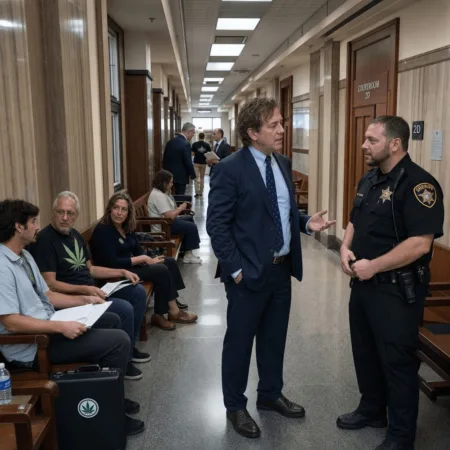
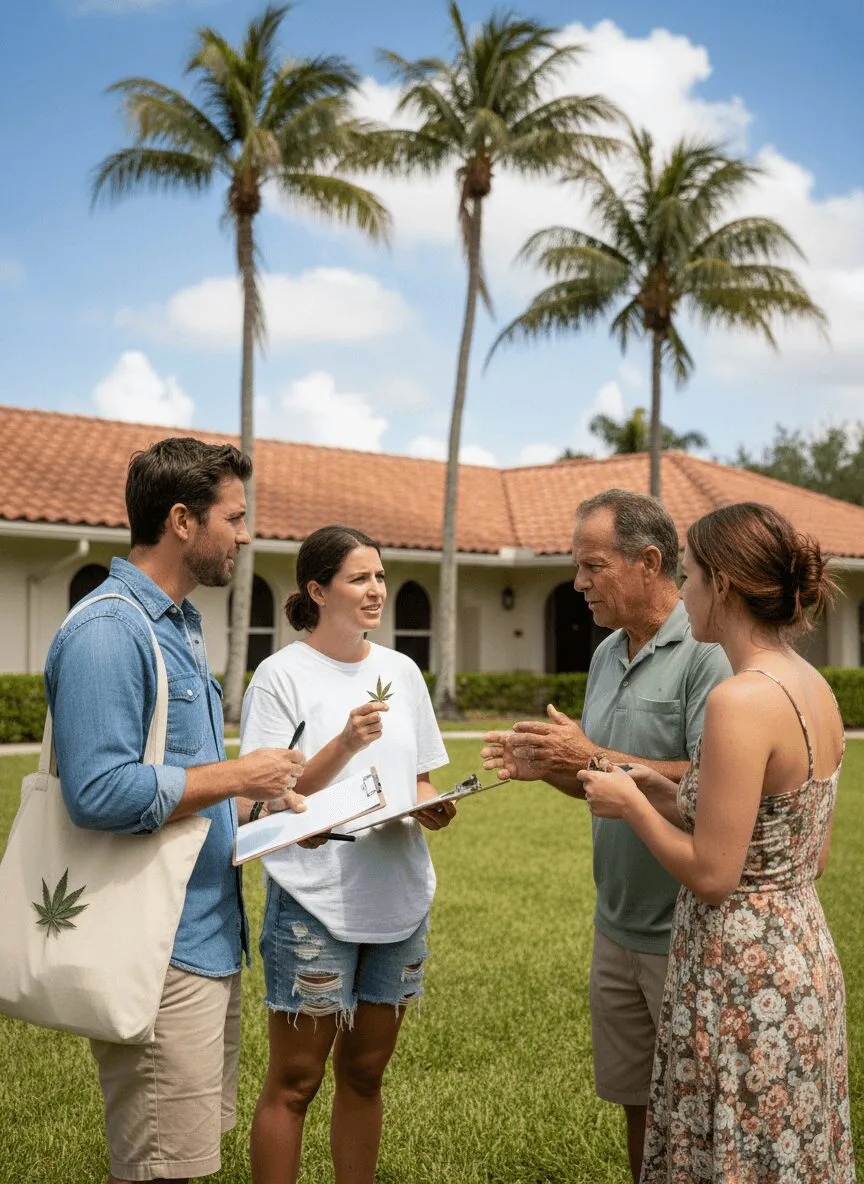
So what sparked the Florida cannabis ballot failure in 2024? Campaigns like Make It Legal Florida and Sensible Florida poured resources into collecting signatures for a legalization amendment. However, they fell short. According to the Cannabis Business Times, organizers missed the February 1 signature deadline, publicly blaming time lost to legal battles over ballot language and opposition lawsuits. Groups like Smart & Safe Florida faced sharp pushback from state Attorney General Ashley Moody and anti-legalization organizations, arguing the ballot text was misleading to voters. These lawsuits stalled validation, and the campaigns found themselves racing the clock. The result? The Florida cannabis ballot failure became official as election officials confirmed the measure would not appear in 2024. For those seeking more insight into the specific legal setbacks faced this year, a detailed breakdown of the Florida marijuana amendment’s ballot defeat provides additional clarity. With fewer than the required 891,523 valid signatures, the campaign fell short. Financial pressures hit, volunteer energy fizzled, and frustration grew among advocates and patients, especially as neighboring states continued making historic cannabis progress. Despite big investments and broad grassroots outreach, Florida’s strict ballot laws, aggressive legal opposition and the realities of signature collection during pandemic aftershocks proved too much to overcome this cycle.
What Does It All Mean? Insights from Industry Pros & Community Leaders
The Florida cannabis ballot failure isn’t just a numbers game, it reflects deeper political, legal, and cultural dynamics. Leading advocates stress that ballot initiatives in Florida are a high-stakes gamble. As Amanda Reiman, policy expert at Leafly, puts it, “When citizen-led movements face million-dollar opposition, every procedural loophole matters. Florida’s system is designed for establishment players, not grassroots change.” Other experts point to campaign fatigue. Multiple cycles and shifting pandemic-era voter habits have complicated both signature collection and fundraising. Brendan Delaney, a regulatory analyst, explained in Ganjapreneur, “Florida shows that it’s not just about public support—it’s whether you can legally clear every hurdle put in your path.” Meanwhile, the fact that a majority of Floridians support legalization, according to recent national polls, highlights the ongoing disconnect between elected officials and public will. For Floridians caught in this political tug-of-war, local developments also matter, as seen in community-driven trends like the rise of unique cafes across Florida, such as the new cannabis cafe in Cape Coral bringing fresh energy to the conversation. It’s a textbook case of democracy running into bureaucracy, Florida style.
Looking Ahead: Why Hope and Grit Still Power Florida’s Cannabis Future
While the Florida cannabis ballot failure stings, the long game isn’t over. Florida’s reform community remains passionate and fired up. Signature drives and legal strategy are getting more sophisticated. As Marijuana Moment and other industry watchdogs highlight, public support continues to climb, as does investment from major cannabis firms eyeing inevitable recreational legalization. Lawmakers are observing how nearby states build modern, regulated markets—and can’t ignore potential tax revenue and job creation forever. For patients and future entrepreneurs, the setback is tough, but the energy for reform is resilient. Political winds change, and barriers that seem permanent can fall fast. If cannabis’ national momentum is any sign, it’s only a matter of time before Florida’s hurdles finally give way. For now, advocates are doubling down on education, better organization, and stronger community connections. It’s not the end—just a hiccup on the path to a legal, thriving cannabis culture in the Sunshine State.
Originally reported by: cannabisbusinesstimes.com