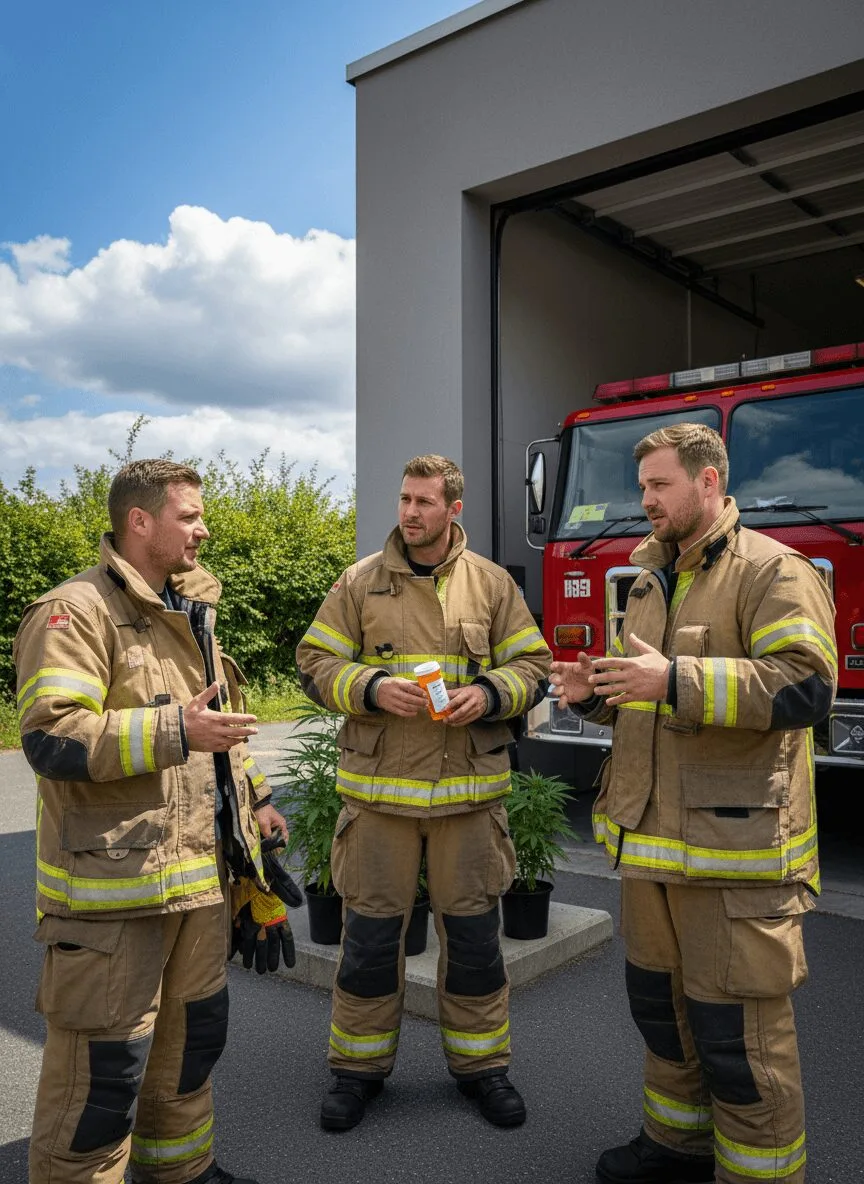
The conversation around firefighters medical cannabis is heating up, and it couldn’t be timelier. As legislative attitudes shift and mental health support takes center stage, the future of cannabis access for first responders finally steps into the limelight. Today, new legal developments are breaking old stigmas, giving firefighters a shot at safe medical cannabis use, and reshaping the rules for an industry on the rise. Dive in as we unpack how this could change everything for our heroes and the cannabis world.
Firefighters Medical Cannabis: Breaking the Stigma, Facing the System
The firefighters medical cannabis discussion rides a wave of cultural and regulatory change sweeping the U.S. Until recently, firefighters, like many public safety workers, faced strict job policies that outright forbade medical cannabis, no matter the medical need or state law. According to NORML, more than half of Americans now support medical cannabis, yet first responders are often left out due to federal prohibitions and local department regulations. Safety concerns, fears of impairment, and insurance red tape all collide, keeping firefighters stuck in old frameworks. In states with active policy shifts, such as when local bans on THC-infused products impact broader access, public debates often intensify around both new consumption trends and workplace rules—just as we’ve seen in recent news about Ohio’s evolving THC-infused drink ban, which continues to affect consumer access and perceptions on medical use.
On the legal side, the Controlled Substances Act still classifies cannabis as a Schedule I drug, which restricts access even in states with medical programs, according to reports from Leafly News. The greater public, meanwhile, increasingly recognizes PTSD, chronic pain, and other conditions faced by first responders as legitimate grounds for medical cannabis. The question remains: How do we support firefighter health while maintaining public trust and safety? The market, the government, and the cannabis industry are finally all tuning in for answers.
Key Developments: Maryland Signals Progress for Firefighters Medical Cannabis
Recently, Maryland took a bold first step by moving to expand firefighters’ rights to access medical cannabis, according to a recent report from WMAR-2 News Baltimore. State legislators and local firefighter unions rallied around a new proposal designed to eliminate the automatic disqualification for firefighters who test positive for off-duty medical cannabis. Instead of harsh penalties or terminations, departments will now be required to weigh use on a case-by-case basis when tied to legitimate medical needs. This marks a shift similar to what we’ve witnessed in other states facing complex legalization questions, paralleling debates seen in places considering road infrastructure funding with marijuana tax revenue, as highlighted in Tennessee’s discussions on marijuana legalization and tax benefits.
This shift comes amid broader state-level reforms. Maryland is not just expanding patient protections, it’s starting conversations with insurance providers, legal advisors, and community stakeholders. According to union representatives and legal sources cited in the article, this landmark proposal aligns Maryland with other progressive states, such as Illinois and California, both of which have introduced similar workplace policies (Cannabis Business Executive reports that several fire departments nationwide are reviewing their medical cannabis policies in response to employee advocacy).
- Pointed legislative language defines safety protocols, maintaining public trust while protecting firefighters’ rights.
- Firefighter union leaders are calling for clear guidelines on cannabis use, testing, and reporting.
- Insurance players are now under pressure to update their policies, reflecting state-level legalization realities.
As of late 2023, the final vote is pending, but the momentum is undeniable. Maryland’s move could spark a domino effect for the entire country and provide a precedent that other regions facing unique enforcement and legalization challenges might follow.
Expert Takes: What This Means for Firefighters Medical Cannabis Nationwide
Industry experts are calling Maryland’s move a game changer. By breaking down employment barriers, it opens doors for other states to reconsider their hardline stances. Dr. Sunil Aggarwal, a renowned cannabis researcher and physician, stated in Project CBD, “The health and recovery needs of first responders should take precedence, and tailored cannabis policies recognize both responsibility and compassion.” The change reflects a new understanding of the risks firefighters face, PTSD, chronic pain, anxiety, and the inadequacies of traditional treatments.
Tapping into medical cannabis doesn’t mean jeopardizing public safety. Strict impairment checks, updated training, and robust protocols can keep everyone protected. As Marijuana Moment reported, department-level guidance is crucial for rolling out safe, consistent cannabis guidelines. This nuanced approach honors both the mission of first responders and the progress the cannabis movement has made. Recent momentum in scientifically-backed alternative treatments, such as Utah’s developments in psychedelic clinical trials for veterans and first responders, further supports the pursuit of non-opioid relief options across the board, as found in Utah’s advancements in psychedelic therapy for healing heroes.
Insiders agree: If Maryland leads the way, other states will soon follow. And as stigma fades, more first responders will be empowered to seek non-opioid, science-backed relief without fear of career-ending consequences.
Looking Ahead: Firefighters Medical Cannabis and the Path Forward
The writing is on the wall: firefighters medical cannabis access is set to expand, and policies will keep evolving. As more departments and lawmakers recognize the need for compassionate reform, the pressure on insurance and municipal employers to adapt will grow. The public conversation—once rooted in fear—is now grounded in hope and realism.
For the cannabis industry, this isn’t just another retail trend. It’s about advocacy, medical integrity, and building an infrastructure that respects all patients—including those who risk everything for their communities. As cited in Benzinga Cannabis, regulatory improvements and transparency are driving new standards for workplace cannabis policy, opening the door for a more inclusive and just cannabis economy.
In the end, Maryland’s movement for firefighters medical cannabis sets the stage for a nationwide shift—one where both public safety and responder well-being are non-negotiable. The next chapter of this story will be written by those bold enough to challenge stigma and those willing to envision a fairer, healthier future.
Originally reported by: wmar2news.com