





Firefighters Marijuana Policy: What You Need to Know Now
Let’s be real—the intersection of public safety and legalized cannabis is heating up, and the firefighters marijuana policy debate is at the center of the action. With states like New Mexico, Colorado, and even New York overhauling their cannabis regulations, first responders are finding themselves caught between old rules and new realities. Headlines about firefighters facing consequences for off-duty marijuana use make this a hot topic for firefighters, policymakers, and cannabis advocates alike. If you care about workforce rights, workplace safety, or just keeping up as society redefines cannabis, you’ll want to know what’s really going down in the world of firefighters marijuana policy. In this article, I’ll break down the latest controversy, dig into the legal weeds, and offer insights on where we go from here.
Understanding the Background: Firefighters, Cannabis, and the Law
Let’s talk context. Despite the rapid expansion of legal cannabis, with thirty-eight states and counting for medical use and twenty-three allowing adult recreational consumption (according to NORML), public employees like firefighters still operate under a strict patchwork of federal, state, and local policies. Here’s the twist: marijuana is legal for adults in New Mexico, but federal law keeps it listed as a Schedule I drug. And that matters because firefighting agencies often juggle federal funding, local guidelines, and their own organizational rules. In much the same way, residents in other states have to navigate ongoing changes, for example, new legal frameworks in Ohio are reshaping how cannabis impacts workplaces. For many public safety workers, showing any trace of marijuana in their system, regardless of when or why they consumed, can be a one-way ticket to disciplinary action or worse. This contrast between evolving social norms and stubborn workplace policies sets the stage for the most recent clash over firefighters marijuana policy.
Key Developments: Firefighters Pulled from Helicopter Unit Over Marijuana Policy
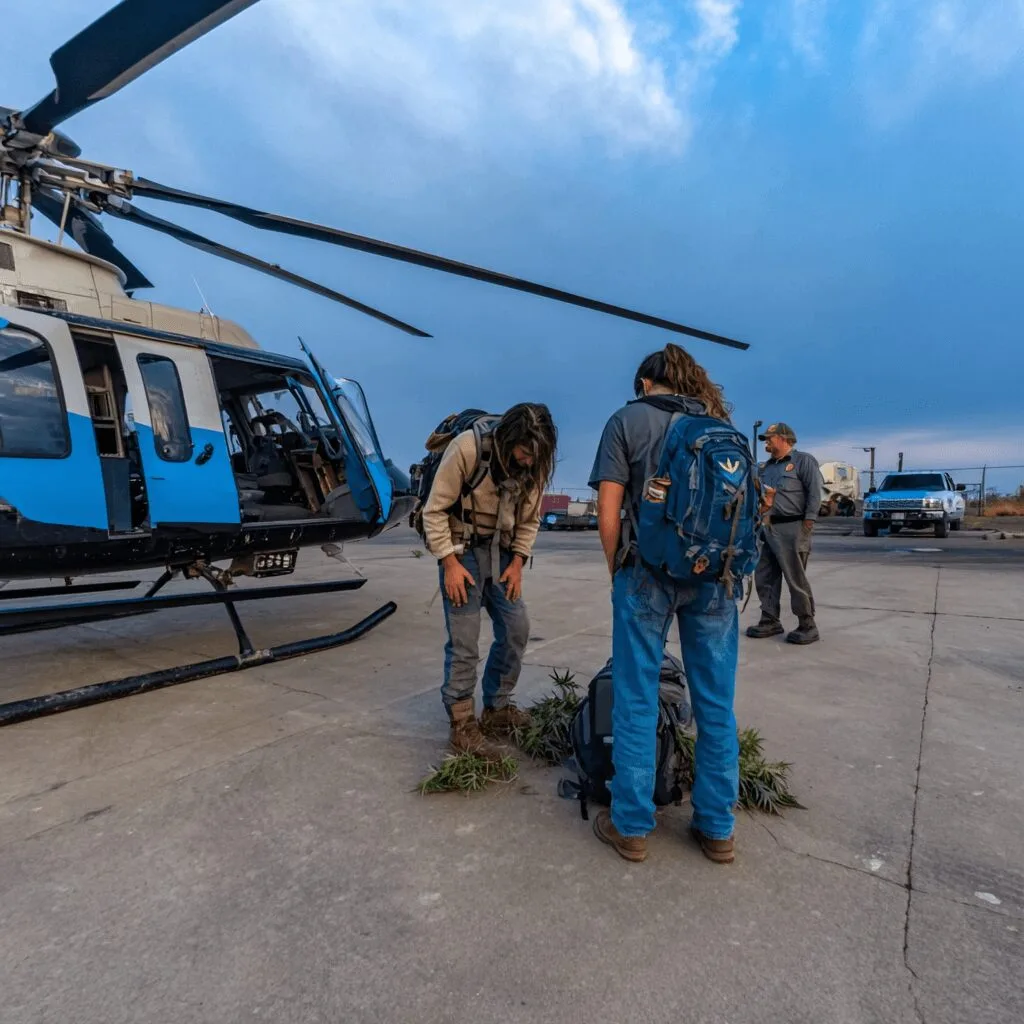
Recently, the spotlight fell on Bernalillo County in New Mexico. Two firefighters were removed from the sheriff’s helicopter unit because of a controversial off-duty marijuana use policy. According to FireRescue1, even though recreational cannabis use is legal in New Mexico, the Bernalillo County Fire Department enforces a zero-tolerance approach toward cannabis for members in safety-sensitive roles. This strict interpretation extends to off-duty hours, meaning even legal use at home can jeopardize a firefighter’s career. The tipping point came when an internal audit and routine drug testing flagged two off-duty firefighters for THC metabolites, triggering their removal just weeks before a major wildfire response training exercise. Recent stories from other states, such as the dramatic changes seen in Oklahoma’s medical marijuana law, highlight how new policies can reshape the professional landscape for first responders. The incident, reported in late May 2024, has reignited the debate over whether such rigid firefighters marijuana policy fairly reflects the real-world risks, or benefits, of cannabis off the clock. The case underscores the gap between state legalization and workplace rules, and the fallout has made national and industry headlines, with agencies nationwide watching closely.
Expert Analysis: Risk, Rights, and the Cannabis Culture Shift
So what does this mean for the future of firefighters marijuana policy? From my industry vantage point, it’s a classic case of old-school policy running up against the new cannabis era. Fire departments argue that any impairment, even theoretical, could risk lives in high-stress scenarios. On the other side, advocates point out that off-duty cannabis use is now as legal as a cold beer in many states. “Cannabis metabolites can linger long after any effect has worn off,” says Paul Armentano, Deputy Director at NORML. “Testing positive doesn’t prove impairment or indicate risk on the job.” Industry experts like those at MJBizDaily note the crucial need for workplace testing reform, especially as jobs in law enforcement, emergency response, and healthcare intersect with rapidly evolving cannabis access. The upshot? Most current testing protocols weren’t designed for a legal market, making it easy to punish safe, responsible employees for legal, off-duty choices. In states like Kentucky, recent updates to THC laws mirror similar debates about labor rights and fair workplace testing policies.
The Future: Smarter Policy for a Changing Industry
What’s the takeaway for the firefighters marijuana policy? We’re standing at a crossroads—one where public safety, employment rights, and cannabis normalization meet. More agencies will face mounting pressure to ditch dated testing models that don’t match today’s law or science. Expect robust debate, pilot programs, and plenty of news as industry leaders push for impairment-based standards (not just urine tests that catch last week’s vacation). With credible institutions like The Pew Charitable Trusts reporting rising public support for workplace cannabis reform, change is clearly coming. The cannabis industry is growing—sometimes faster than policymakers can keep up—but the momentum toward fairer, more reasonable firefighters marijuana policy shows no signs of slowing. Here’s to a safer, saner, and more just future for all involved.
Originally reported by: firerescue1.com



1 Comment
Pingback: Massachusetts cannabis law changes: What you need to know now