



Firefighter Medical Cannabis Policy: What Howard County’s Change Means
Hey fire family and friends—let’s talk about a hot-button topic that’s up in flames (pun intended): the firefighter medical cannabis policy. All eyes are on Howard County after its headline-making shift. This issue isn’t just about who can spark up after work—it’s about medical rights, safety, and the future of workplace cannabis policies as legalization spreads like wildfire across the U.S. In this breakdown, I’ll unpack why this policy matters right now, what changed, and why it could be the blueprint—or caution tape—for departments everywhere. Grab your coffee. Let’s dig into the key facts, legal roots, controversy, and some real talk from the heart of the cannabis industry.
Understanding the Legal, Social, and Regulatory Backdrop
The firefighter medical cannabis policy drama didn’t ignite overnight. It’s burning bright against the backdrop of evolving state cannabis laws, with a tug-of-war between federal prohibition and local acceptance. Maryland legalized medical cannabis way back in 2014. Since then, registered patients, including first responders with real medical needs, have increased every year according to state health records. Despite growing social support, public safety agencies remain cautious, since federal law still classifies cannabis as a Schedule I substance. That means, officially, using medical cannabis—even off-duty—puts jobs on the line for many public servants. Howard County’s move is forcing departments to rethink black-and-white policies in a world that’s now green and nuanced. Industry analysts at Leafly and Marijuana Moment report that reviews of policies for first responders are gaining momentum nationwide. Changing attitudes across the country are reminiscent of the national shift seen in debates such as whether Pennsylvania will finally legalize marijuana in 2025.
Key Developments: What Went Down in Howard County
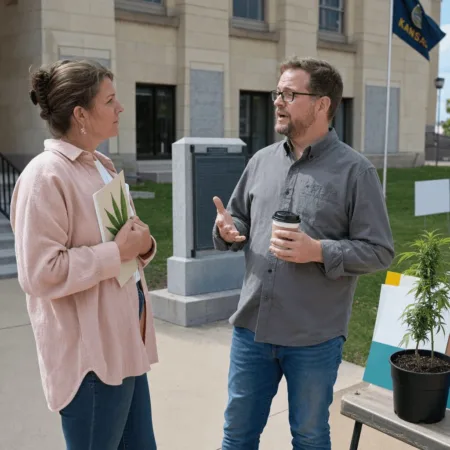
So, here’s the real scoop: In June 2024, Howard County’s Department of Fire and Rescue introduced a revised firefighter medical cannabis policy. The update followed rising pressure from union reps and medical professionals who championed science-backed workplace accommodations. Previously, firefighters faced strict zero-tolerance rules, and if cannabinoids were found in your system, you were out faster than a false alarm call. But now, the county acknowledges certified medical cannabis prescriptions for off-duty use, provided safety protocols are strictly followed. Howard County’s Fire Chief, after discussions with the International Association of Fire Fighters (IAFF) and medical advisers, stated that the policy “balances public safety, employee health, and evolving legal norms.” According to reporting from the Baltimore Fishbowl, these changes mean that firefighters can now be medical cannabis patients without risk of immediate dismissal, if there’s no impairment on duty and state law is met. Immediate challenges followed, including legal questions about testing windows, safety, and the patchwork of neighboring county policies. These ongoing changes draw attention to similar complex workplace dynamics, like the ongoing debates around new marijuana drug testing rules for workers in safety-sensitive jobs.
Expert Take: Why This Matters for Firefighters and the Cannabis Industry
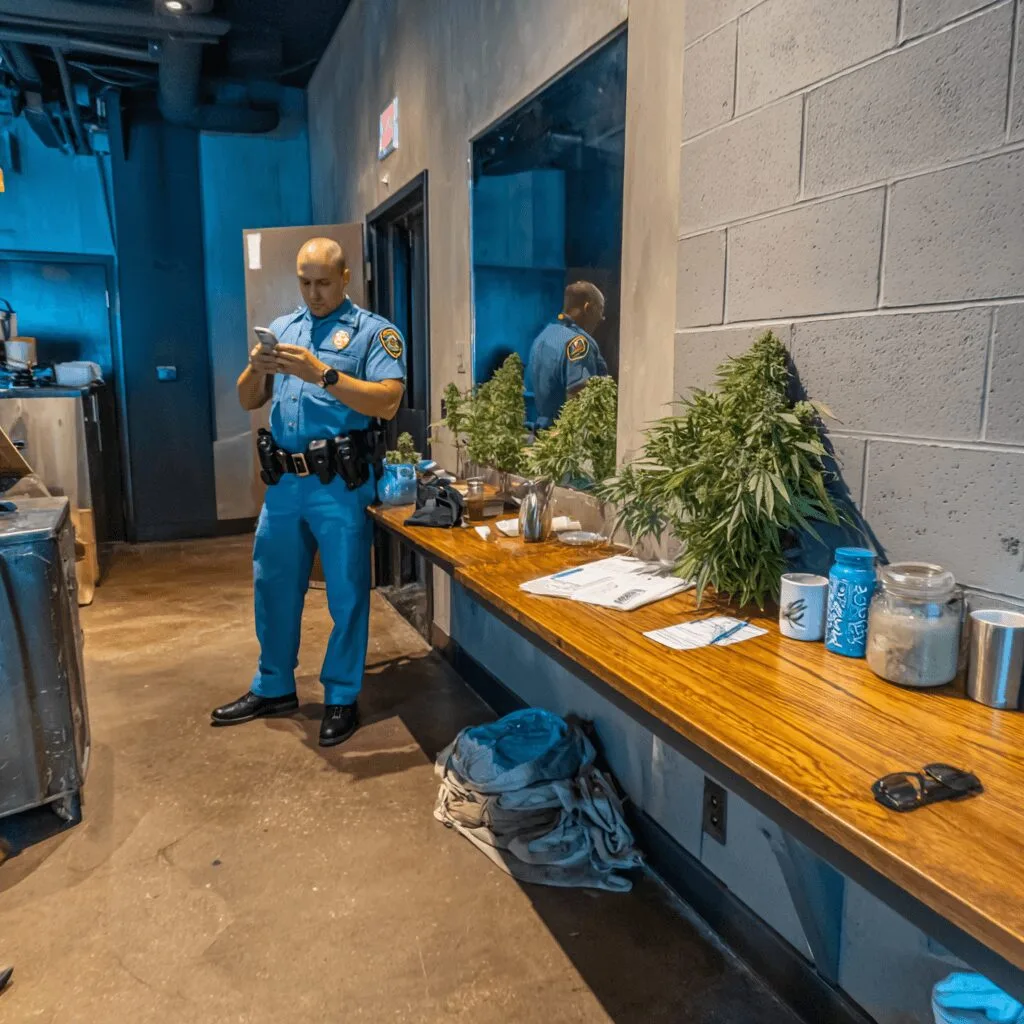
As a longtime advocate, I’ve witnessed the crossover between workplace safety and cannabis reform intensify—and Howard County’s recent move is a major spark for firefighter medical cannabis policy. This shift acknowledges that denying access hurts those who serve, especially as PTSD and chronic pain continue to plague first responders. Industry leaders see it as a sanity check. According to Dr. Amanda Reiman, policy expert and VP at New Frontier Data, “Progressive cannabis policies protect the people who risk everything for our communities. They deserve medical relief without career-ending consequences.” (New Frontier Data). What sets Howard County apart is its refusal to treat medical cannabis more harshly than prescription opioids—a significant shift in mindset. Several cannabis industry journals, like Cannabis Business Times, highlight how this change encourages an environment that values science over stigma. The broader implications are rippling across legal and labor circles, echoing national conversations such as those in the clash of cannabis policy within police departments after high-profile terminations.
Where We’re Headed Next: The Future of Firefighter Medical Cannabis Policy
No policy shift happens without a few growing pains, but here’s the good news: Howard County’s experiment with a new firefighter medical cannabis policy is already setting trends. Will we see national change overnight? Probably not. But every department taking the leap pressures legislators to finally grapple with cannabis’s place in society. As regulations evolve and stigma fades, expect to see policies like this become the new norm, not the outlier. Industry insiders predict more departments will move toward evidence-based, compassionate policies—especially with guidance from groups like the Americans for Safe Access. From the firehouse to the statehouse, conversations are shifting from “if” to “how.” That’s the kind of progress we need as the cannabis industry moves out of the shadows and into the mainstream—one well-written policy at a time.
Originally reported by: baltimorefishbowl.com