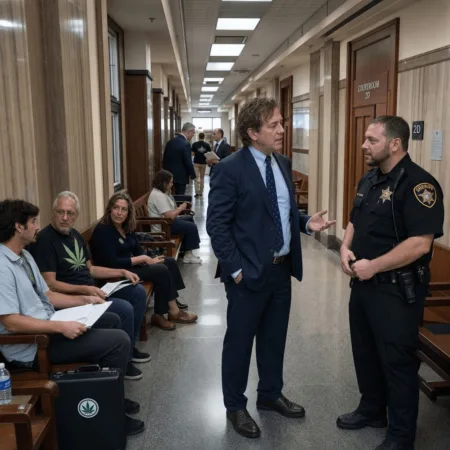
The conversation around federally assisted housing marijuana rights is heating up. As more states embrace cannabis reform, tenants in federally subsidized homes remain in a legal bind. This issue impacts millions—especially as the push for equity and social justice becomes part of mainstream cannabis policy. With new legislation hitting Congress and shifting federal attitudes, understanding where rights currently stand has never been more urgent. Let’s break down why federally assisted housing marijuana rights are sparking debate, and what it could mean for everyday folks in government-supported housing.
Understanding the Landscape: Background & Context
Federal law still treats cannabis as a Schedule I controlled substance, despite medical and recreational legalization in dozens of states. This creates a stark contradiction for those living in federally assisted housing, including Section 8 and public housing, who risk eviction for any cannabis use or possession. According to HUD, public housing authorities must enforce these federal bans, even in states with legal marijuana markets. At the same time, advocates and lawmakers are debating whether such policies reflect modern science, social justice, and the spirit of cannabis reform. Disparate impacts are also notable, as Black and Latino communities, which are overrepresented in federally assisted housing, are additionally disadvantaged by these outdated rules. Recent surveys by Pew Research show 88% of Americans support some form of marijuana legalization, amplifying pressure for policy change at federal levels. In the context of ongoing discussions about cannabis laws and potential impacts on young people, recent insights on cannabis use during adolescence provide valuable background for understanding challenges faced by families in federally assisted housing.
Key Developments & Issues: Legislation, Politics & Disparities
Recently, Congresswoman Eleanor Holmes Norton and Senator Cory Booker revived legislation explicitly designed to safeguard federally assisted housing marijuana rights. Their bill, as reported by Representative Norton’s office on May 2024, aims to block public housing agencies from denying housing or evicting residents solely due to state-legal marijuana usage. The proposal would prevent discrimination in both conventional and Section 8-style homes. While it doesn’t outright legalize cannabis at the federal level, it strives to close the gap between federal housing policy and growing state-level legalization. The tension remains, as HUD’s current protocols mean families in legal states such as California, Illinois, or Colorado can still lose their homes for possessing cannabis. As the bill moves through committee, cannabis advocacy groups like NORML and industry organizations are lobbying for swift passage. For those interested in how potential federal changes could benefit cannabis retailers and communities, it is helpful to look at how reform at the national level affects business and housing. Despite support, political opposition from more conservative lawmakers continues, arguing that federal property should strictly follow federal law regardless of state policy.
Expert Analysis, Insights & Pro-Cannabis Perspective
Let’s cut through the haze:
federally assisted housing marijuana rights
are about basic fairness and public health. Prohibition in federally supported homes not only punishes patients who need medical marijuana but also perpetuates historical inequities. Policy watchers at Marijuana Moment point out that overlap between housing discrimination and cannabis criminalization is ‘no accident.’ As Dr. Rachel Knox, a leading cannabis clinician and advocate, puts it: “Restricting cannabis use for people in federally assisted housing is a classic example of how federal laws can undermine social determinants of health. We need policies that protect, not punish, vulnerable Americans.” (Leafly). As new research emerges, surprising findings about the safety and potential risks of medical cannabis use are influencing both expert opinion and public perception, as highlighted by the latest medical cannabis studies. While critics raise concerns about public safety or property management, evidence from states with established legalization, such as Brookings Institution, shows that increased rights correlate with positive health and economic outcomes. The broader industry trend is clear: cannabis acceptance is rising, and sensible reform within housing is a major step toward true legalization equity.
Future Outlook & Conclusion: Hope for a Fairer System Ahead
With Congress revisiting federally assisted housing marijuana rights and public support for legalization soaring, the future looks promising for residents of public housing. If passed, new laws can bring long-overdue protection and dignity to some of the nation’s most vulnerable populations. The cannabis industry keeps moving toward mainstream acceptance, and this is another signpost on that road. As NORML observes, ongoing advocacy and education will be key to closing the gap between law and lived reality. Gone will be the days of fearing eviction for lighting up—at least for those following state-legal guidelines. Until then, watching Congress and pushing for thoughtful, equity-focused reform remains mission-critical for every cannabis ally out there.
Originally reported by: norton.house.gov