





Federal THC Product Ban: What the New Law Means Now
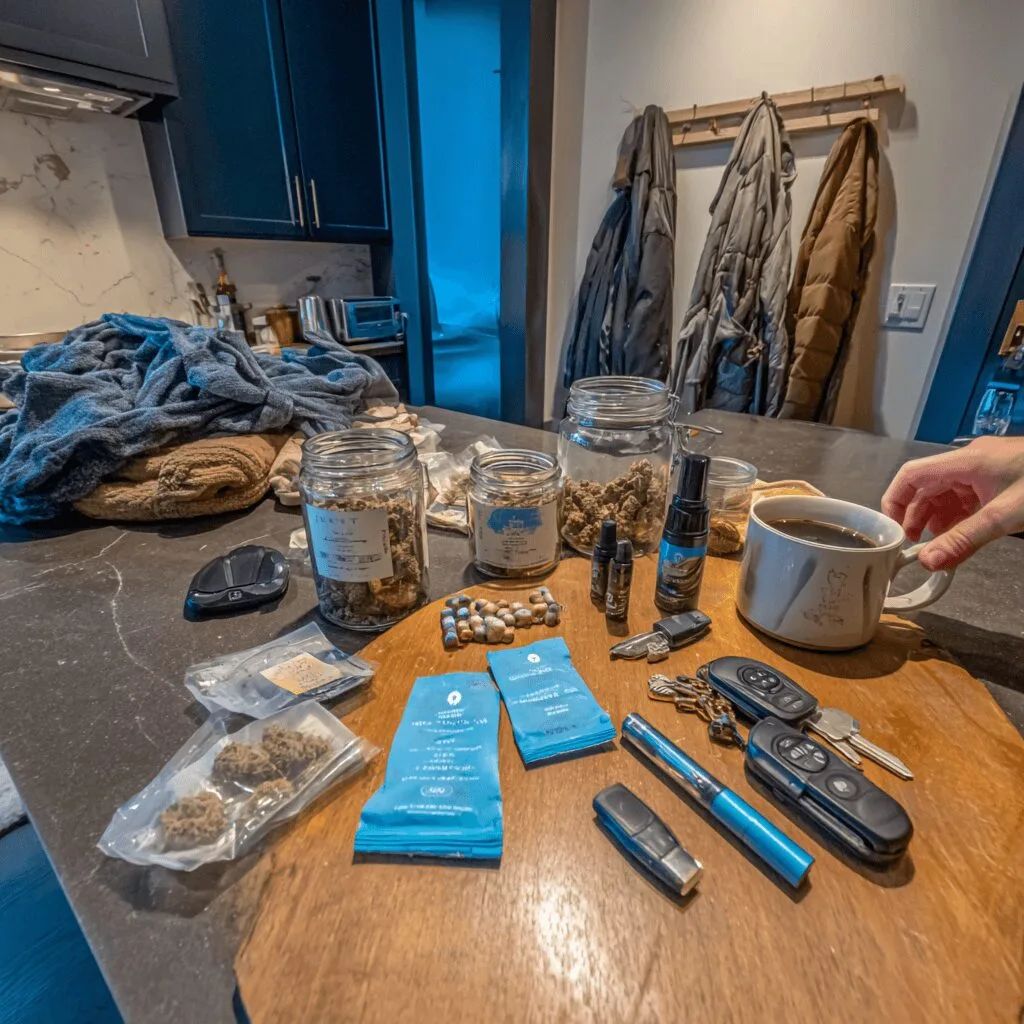
The cannabis community is buzzing with urgent questions as Congress moves forward with a sweeping federal THC product ban. If you’ve got vape pens or gummies on your kitchen table, this federal move could shake up routines, businesses, and consumer choices nationwide. With the bill’s recent passage, millions are suddenly affected by new legal realities. Let’s break down what’s happening, why the timing matters, and how the industry is bracing for change.
Understanding the Landscape: Federal THC Product Ban in Context
The landscape of cannabis in the United States is uniquely complex. There’s a messy patchwork of state laws, federal policies, and evolving societal norms. For years, even as state-legal cannabis boomed, products containing THC remained illegal on a federal level, mostly under the Controlled Substances Act (DEA statement). But federal enforcement priorities have shifted, often taking a hands-off approach in states with robust cannabis regulations. This delicate balance enabled a THC market—gummies, vape carts, flower jars—that often felt stable despite legal gray areas. According to Brookings Institution, breakthroughs like the 2018 Farm Bill blurred lines even further, allowing hemp-derived cannabinoids to flourish. However, a full-on federal THC product ban signals a dramatic policy reset, threatening access, business models, and consumer rights all at once. This echoes how, for example, regional policy shifts such as the Ohio intoxicating hemp ban shook up the local market and raised critical questions about the patchwork of cannabis regulations across the country.
The Fast-Moving Details: Recent News Driving Federal THC Product Ban
The shockwaves began on December 20, 2025, when Congress inserted a federal THC product ban into a new government spending bill. As covered by WECT News, this legislation criminalizes the production and interstate sale of all psychoactive THC products, excluding a narrow strip of research use. Multi-state operators (MSOs) like Curaleaf and Cresco Labs are suddenly confronted with shipments halted and supply chains frozen. Retailers have scrambled to clear inventory or pivot product lines, while consumers report uncertainty over what’s now considered illegal. Notably, the ban applies to hemp-derived cannabinoids such as delta-8 and delta-10, closing loopholes previously used by vape brands and edibles makers. Enforcement details remain in flux, though the FDA (official statement) has vowed “rigorous oversight” and “swift response to violators.” The bill’s language states compliance deadlines ranging from immediate effect on manufacturing and advertising to a 30-day grace period for sales, setting the stage for a nationwide industry shakeup. The evolving legal landscape is reminiscent of the current debates in states like Nebraska, where changes to federal marijuana law are already impacting local lives and fueling ongoing uncertainty across the cannabis sector.
Expert Insight: Unpacking the Impact and Pro-Cannabis Perspectives
This federal THC product ban rocks not just storefronts, but also trust in cannabis reform. Why now, and why so broad? Experts note that policymakers cite concerns over product safety, youth access, and the lack of federal testing oversight. But as Marijuana Moment frequently reports, industry leaders argue the ban punishes legal operators while pushing consumers toward unregulated sources. As cannabis attorney Rachel Gillette states, “Bans historically fail to eliminate demand. They drive innovation, sometimes in the underground, sometimes in policy reform” (Forbes). The timing is wild, considering a record-high percentage of Americans now support legalization, and regulated markets, when managed well, actually offer safety benefits. Industry groups like NORML underscore that state-licensed THC products are already highly tested compared to street products. By enacting a sudden federal THC product ban, lawmakers risk undoing years of transparency and harm reduction gains achieved in mature state markets. At the same time, some public health advocates say a pause might force overdue conversations about national standards and oversight responsibilities. These debates are intensifying just as prominent voices across the country are questioning whether presidential action on marijuana reform is progress or peril, underlining the urgent need for clear and balanced federal cannabis policies.
Looking Forward: Navigating the Aftermath of the Federal THC Product Ban
Despite the jolt, history says the cannabis industry is built for resilience. This federal THC product ban could spark legal challenges, reform initiatives, and unexpected innovations—think novel cannabinoids or even rapid shifts in federal thinking. As Leafly experts observe, crisis often accelerates industry collaboration and public dialogue. Consumers, entrepreneurs, and advocates are already mobilizing. State lawmakers in cannabis-legal regions are lobbying for federal carve-outs or clarity, while support for reform keeps climbing in national polls. Keep your stash responsibly managed, stay informed, and expect a wild ride ahead. Cannabis culture’s strength has always been community, adaptation, and a spark of good humor in the face of change. Whether this federal THC product ban sticks or not, the momentum toward broader acceptance and smart regulation is not slowing down.
Originally reported by: wect.com


