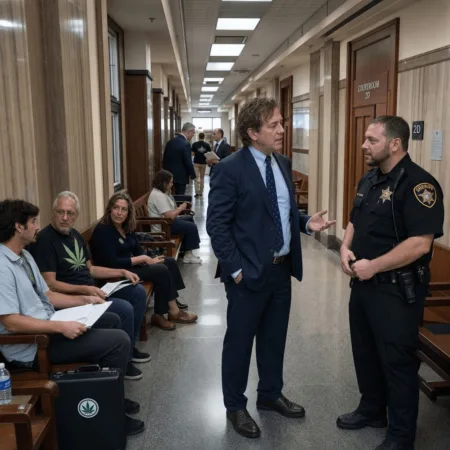
Federal Medical Marijuana Rescheduling: What You Need to Know
Alright, cannabis crew—let’s get right into it. Federal medical marijuana rescheduling isn’t just a buzzword this year; it’s the hottest topic fueling dispensary watercooler talk, Capitol Hill debates, and patient hope across the country. Recent regulatory motions, rising state-by-state access, and some historic announcements have the entire industry—and medical marijuana advocates—laser-focused on how rescheduling could finally reshape everything from research to dispensary business models. Here’s your essential primer on how federal medical marijuana rescheduling could change the whole game, from Main Street to Wall Street.
How Did We Even Get Here? The Regulatory Chill & Medical Cannabis Context
For years, cannabis advocates have rolled their eyes at federal policy’s sluggish pace. Since 1970, marijuana has sat awkwardly in Schedule I of the Controlled Substances Act (CSA), like it’s a dangerous drug devoid of medical value. That legal status, set by Congress and policed by the DEA, has made research, interstate commerce, and even banking a logistical nightmare—even in medical markets. Meanwhile, thirty-eight states (and counting) now have medical cannabis programs, a fact outlined by NCSL. The disconnect between progressive state reforms and outdated federal restrictions generates legal gray zones, limiting both clinical study and patient access. For instance, legal inconsistencies seen in regions like Alaska reflect the complicated landscape, with recent marijuana consumption trends illustrating how usage habits keep evolving. Social attitudes, meanwhile, have undergone a 180, as according to recent Gallup polling, nearly 70% of Americans support cannabis legalization. In short, the call for meaningful federal medical marijuana rescheduling has never been louder.
Federal Moves, Legal Hurdles, and Industry Shifts: Breaking Down the Latest
Big news landed in late 2023, when the Department of Health and Human Services (HHS) officially recommended moving cannabis to Schedule III, based on exhaustive FDA reviews and scientific evidence. This is a massive moment, as Marijuana Moment reports, because Schedule III status acknowledges “accepted medical use,” a world away from outright prohibition. The DEA, as of spring 2024, leads the rulemaking process, which includes official announcements, public commentary, and the inevitability of legal showdowns. Key stakeholders range from state regulators to major MSOs (multi-state operators), plus advocacy groups like NORML. According to recent reporting, Brookings Institution highlights that this isn’t a done deal; congressional interference, lawsuits, and bureaucratic slowdown are all in play. But the domino effect is real for banking, tax codes (that infamous Section 280E), and—most importantly—medical research projects that have long waited for green lights. For example, ongoing research into the effects of cannabis rescheduling could further push legalization efforts nationwide. The mounting tension over federal medical marijuana rescheduling isn’t just headline fodder, it’s about who gets access, who profits, and which patients get safe, legal care.
Expert Analysis and Grassroots Perspective: What’s at Stake for Patients, Providers, and Progress?
If cannabis is finally rescheduled, it could unclog the bottlenecks stalling medical research. The change to Schedule III would allow researchers to more easily conduct large-scale studies, giving legitimacy to treatments for epilepsy, chronic pain, and PTSD. Also, businesses could finally deduct ordinary tax expenses, thanks to Section 280E relief. But some industry experts urge caution. As Filter Magazine recently quoted, “Rescheduling is not full legalization, and patients need more than half steps. But it’s still the biggest shift we’ve seen in decades,” stated Dr. Ethan Russo, neurologist and cannabinoid researcher. For patients and providers, federal medical marijuana rescheduling would be a game changer in legitimacy and access—but the fight for social justice, banking, and personal freedom still rages on at the state and federal levels. Adding to patient perspectives, recent debates like those arising from controversial arrests involving marijuana and firearms highlight the ongoing clash between criminal justice and evolving cannabis law. Meanwhile, as Leafly notes, “Expect more coordinated research, safer product standards, and a more predictable regulatory atmosphere.”
Looking Ahead: A Greener Future, or More Uncertainty?
Let’s be real: whether you’re a patient, provider, or just curious, federal medical marijuana rescheduling marks an inflection point. Regulatory change will reshape the entire landscape, from the products stocked on shelves to the conversations happening in Congress and research labs. Will it solve every issue overnight? Absolutely not—but it’s a launchpad for broader, smarter medical cannabis reform. As Forbes observes, “Rescheduling will offer new business and medical possibilities undreamed of just a decade ago.” Bottom line: the future is bright, the movement is growing, and every step toward federal medical marijuana rescheduling gets us closer to sane, evidence-based policy—for everyone.
Originally reported by: mondaq.com