





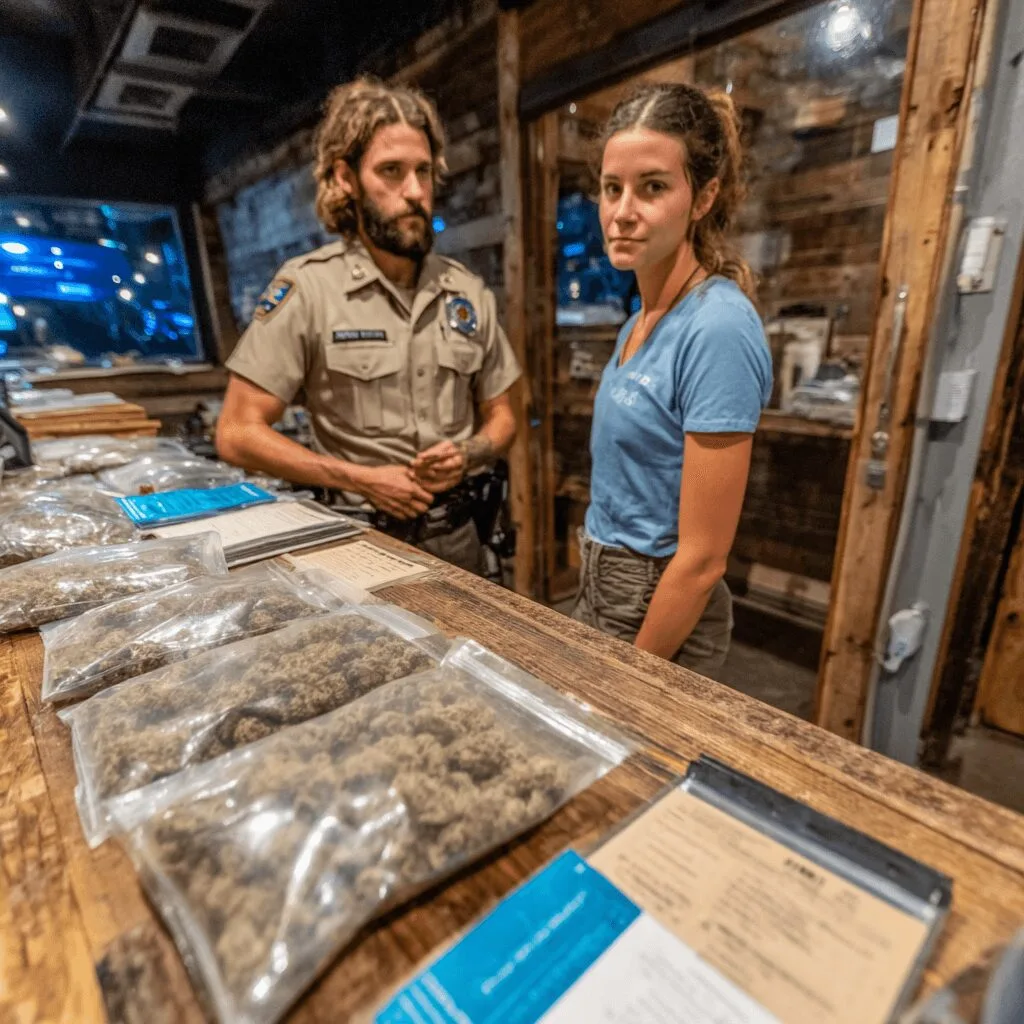
Federal Marijuana Prosecution: How Common Is It?
The cannabis world is buzzing about the realities of federal marijuana prosecution in 2024. With many states throwing open their doors to adult-use legalization, a big question lingers: just how often is Uncle Sam stepping in to bust folks for weed? Understanding federal marijuana prosecution is crucial as the patchwork of U.S. state and federal laws continues to evolve, making news, shaping markets, and impacting real lives. In this article, we’ll break down why this topic matters—covering current legal climates, recent case trends, and why both industry insiders and consumers are paying close attention right now.
The Regulatory Maze: Background & Context
Let’s be real, cannabis law in the U.S. is still a wild ride. On one side, over half the states have legalized medical marijuana, and nearly two dozen let adults light up legally, according to The National Conference of State Legislatures. In some regions, change is being driven by grassroots efforts as local citizens push for new ballot measures, much like the Oklahoma movement detailed in this Oklahoma recreational marijuana petition update. Yet, under federal law, marijuana remains a Schedule I substance, right up there with heroin. The difference? Feds technically have the power to prosecute, but states are mostly rolling with reform.
The Department of Justice (DOJ) and Drug Enforcement Administration (DEA) historically held tough stances, though federal marijuana prosecution rates tell a more nuanced story. As reported by Marijuana Moment, presidential directives like the Cole Memo (rescinded in 2018) and shifting enforcement priorities have left many confused about just how ‘at risk’ you actually are. Today’s legal landscape is shaped by local law enforcement focus, U.S. attorney policy changes, and the often-blurry lines between state and federal jurisdiction. The stakes? High, for businesses, patients, and everyday citizens alike.
Key Developments & Issues in Federal Marijuana Prosecution
So, how often does federal marijuana prosecution really happen these days? According to a recent news report from WLNS, true federal marijuana prosecutions are becoming unicorn-rare, popping up just a handful of times out of tens of thousands of potential cases nationally. For example, in the 2023 fiscal year, federal prosecutors reportedly handled only a tiny sliver of cannabis cases, primarily those involving extremely large quantities, criminal organizations, or aggravating factors like weapons or distribution over state lines. When weapons are involved, the legal consequences can be much harsher, as detailed in this analysis of the real-world impact of prison sentences involving cannabis and firearms.
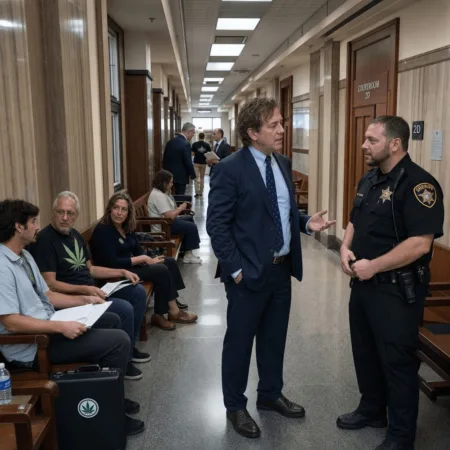
Industry experts and legal analysts say that the vast majority of routine cannabis offenses, think small-time possession and most in-state activity, are ignored by federal attorneys. Instead, cases worth federal marijuana prosecution attention usually tie to multi-state trafficking rings or involve defendants with prior felony convictions. This trend is confirmed in public statements by the DEA and U.S. Attorneys’ Offices, who note their priorities have shifted to larger-scale, more complex prosecutions. For everyday tokers or compliant state-legal businesses, the risk of federal marijuana prosecution remains minimal, provided operations stay strictly within state regulations.
Expert Insights, Industry Impact & Pro-Cannabis Counterpoints
Let’s break it down, the chilling tales of sudden federal raids on dispensaries are mostly the stuff of yesteryear. According to Leafly’s legal editor Bruce Barcott, “Federal marijuana prosecution has become a resource-driven decision; most U.S. attorneys simply aren’t interested in prosecuting low-level, state-compliant cannabis activity.” Recently, regulatory bodies in states like New York have made bold moves in reshaping adult-use policies, which further changes the enforcement landscape as seen in this coverage of the New York Cannabis Control Board’s industry update.
For the legal marijuana industry, low federal prosecution rates are a sign of progress, but not a reason for complacency. Uncertainty still looms due to federal illegality, which complicates banking, business operations, and patient access. Yet, momentum is clearly with reformers. Major industry groups, like NORML, point to falling arrest and prosecution rates as direct evidence the public and policy sentiment is turning greener by the year.
This doesn’t mean cannabis is free from scrutiny, large-scale black market grows, smuggling, and violence attract serious attention. But for state-legal entrepreneurs and responsible consumers, the fear of routine federal marijuana prosecution is largely unfounded. Bottom line: Stay in compliance, and the feds mostly have bigger fish to fry.
Looking Ahead: Federal Marijuana Prosecution & the Changing Landscape
So, what does the future hold for federal marijuana prosecution? There’s a lot to be stoked about. Momentum for federal decriminalization and rescheduling is stronger than ever. Key policymakers are openly debating new reforms; advocacy organizations like Drug Policy Alliance are leading the charge. More states are tipping toward legalization, and public opinion remains overwhelmingly in favor of change.
While the federal-state conflict hasn’t vanished, the chances of average users or legal dispensaries being prosecuted by the feds are shrinking by the year. This evolving landscape means greater opportunity, more investment, and a growing sense of security for the cannabis industry. As we watch federal and state dynamics shift, one thing is clear: The days of indiscriminate federal marijuana prosecution are fading fast, being replaced by smarter, targeted enforcement—and most of all, progress.
Originally reported by: wlns.com


1 Comment
Pingback: New York Cannabis License Approvals: Board Shakes Up Local Rules