





Federal Hemp Restrictions: How They Could Empty Local Shelves
Alright, cannabis comrades, things are getting tense! Federal hemp restrictions are suddenly front-page news, and it’s not just a distant policy debate. The squeeze is hitting home, threatening the survival of local farms and sending ripples through family-owned stores. Why now? Well, a tough new push from federal regulators aims to crack down on hemp-derived cannabinoids, triggering concerns about supply, legality, and livelihoods—especially in regions like ours. In this deep dive, I’ll break down exactly what’s happening, why federal hemp restrictions matter more than ever, and how it all might shake up shelves—and futures—across upstate and beyond.
Understanding the Federal Hemp Restrictions: Background & Context
To really get why this is a big deal, we need to roll back a bit. Ever since the 2018 Farm Bill (congress.gov) federally legalized hemp, meaning cannabis with less than 0.3% THC, it’s been a wild ride for growers, lawmakers, and the cannabis-curious. That bill spurred rapid growth of hemp-derived products, everything from smokable flower to gummies and oils. That prosperity also drew concern from regulators, worried about loopholes and “synthetic” cannabinoids. Enter the latest phase, federal hemp restrictions, fueled by calls from the FDA (fda.gov), DEA, and other federal voices. They argue tighter rules are needed to keep hemp safely separated from illegal cannabis, especially as new products blur those lines. Meanwhile, small operators and rural communities have grown deeply dependent on hemp income. The tug-of-war between regulatory caution and rural economies is felt in places like Georgia, where farmers face uncertainty as they stare down the barrel of these emerging federal hemp restrictions.
Core Issues and Recent Developments: What’s Going Down?
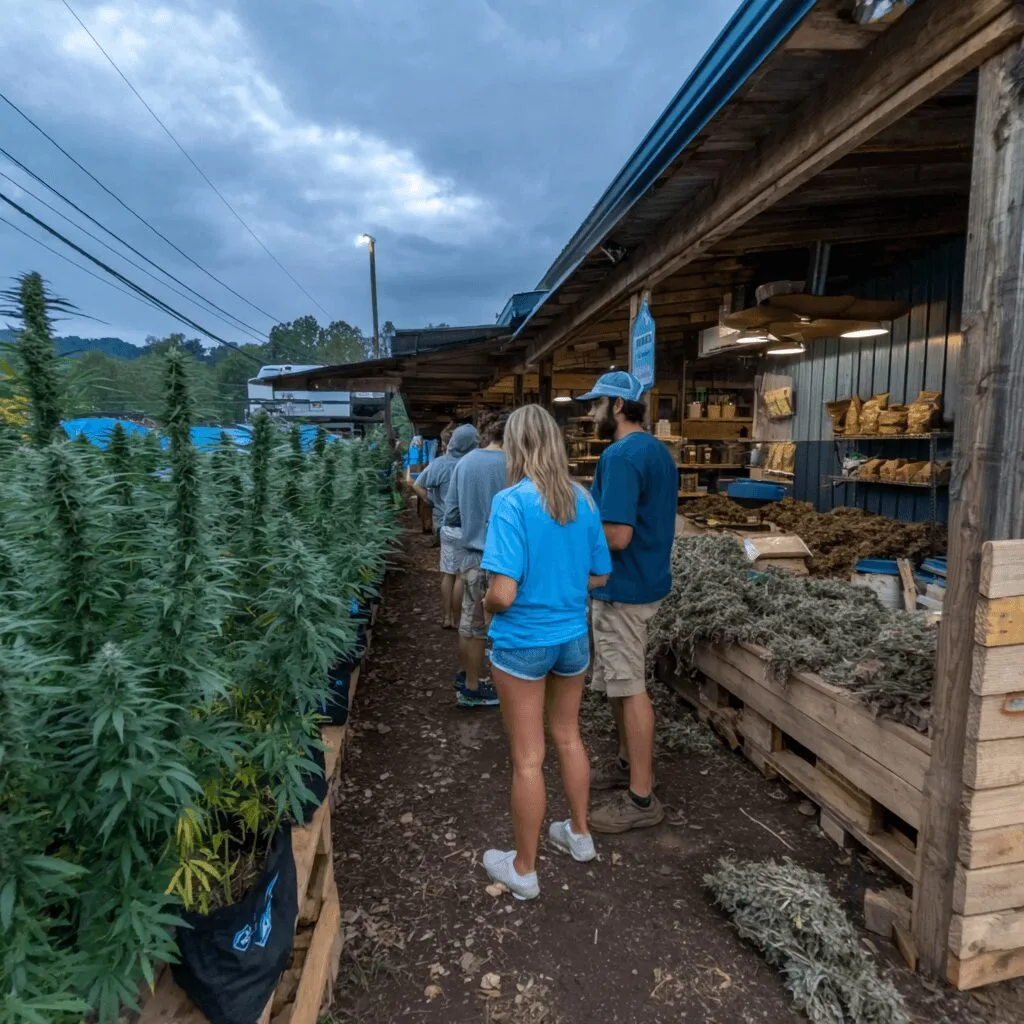
The fireworks started when the DEA clarified in early 2024 that “THC-O” and several other synthetic cannabinoids—sometimes made from legal hemp—are officially Schedule I substances. They doubled down on enforcing the original 0.3% THC rule, now tightening even further with new checks and crackdowns. According to WYFF News 4, upstate South Carolina farms are freaking out; farmers like Justin Browder of Browder’s Family Farm say these tightened federal hemp restrictions could put their entire crop—and their rural store shelves—at risk. Retail spaces that once featured baskets of hemp flower, ointments, and tinctures now find themselves half-bare, with fresh shipments delayed or pulled pending legal review. The new rules also ripple into labs, retailers, and brands who worry their investments in compliant products could be vaporized by sudden reclassification. In some places, these changes have led to CBD store closures, sparking community uncertainty as well as concern from local businesses. Local authorities, meanwhile, look to state guidelines for answers, but those are also evolving alongside the federal shake-up. On the practical side, shelves at farm markets are starting to look patchy, and some communities are left wondering if their favorite CBD products will disappear for good.
Expert Insights & Pro-Cannabis Analysis: What Does it All Mean?
Here’s the real talk, federal hemp restrictions were always coming, but many say this latest shift is like trying to bolt the barn door after the horse has galloped off. The market exploded so fast that lawmakers are scrambling to keep pace with chemistry, business, and demand. Sabrina Fendrick, former Director at NORML, once commented in NORML News (norml.org): “If the government keeps playing whack-a-mole with cannabinoids, they’ll keep disrupting small businesses and confusing consumers. A rational regulatory system can encourage safety without destroying livelihoods.” That’s spot-on. Most experts agree a balanced regulatory approach is key. Policy swings could devastate farm economies as ‘gray area’ products become contraband overnight. Notably, states like Maine have demonstrated how cannabis regulations spark both concern and curiosity, showing that clear, science-driven hemp regulation protects both public health and local businesses. What’s needed is input from growers, clearer science-based testing, and policies flexible enough to allow innovation. Federal hemp restrictions hurt most when they’re rushed, vague, or ignore the voices of those who built the industry from the ground up.
Looking Forward: Hope, Change, and the Hemp Industry’s Future
Things may look rough now, but let’s not lose the big picture. Every industry reckons with growing pains and regulatory shake-ups, and cannabis is no exception. The silver lining? Public support for responsible hemp regulation keeps rising—according to Pew Research, over two-thirds of Americans want sensible cannabis laws. Pressure is building for Congress to clarify conflicting rules and protect small businesses just trying to make an honest living from hemp. While federal hemp restrictions pose big hurdles, they’re also an opportunity for smarter policy, stronger quality control, and renewed community support. Keep your eyes on the horizon: this green wave isn’t cresting just yet. The future of hemp—federal restrictions or not—still looks bright if communities, lawmakers, and the industry unite for practical, fair solutions.
Originally reported by: wyff4.com


1 Comment
Pingback: Supreme Court marijuana case: Trump DOJ Unexpected Move