





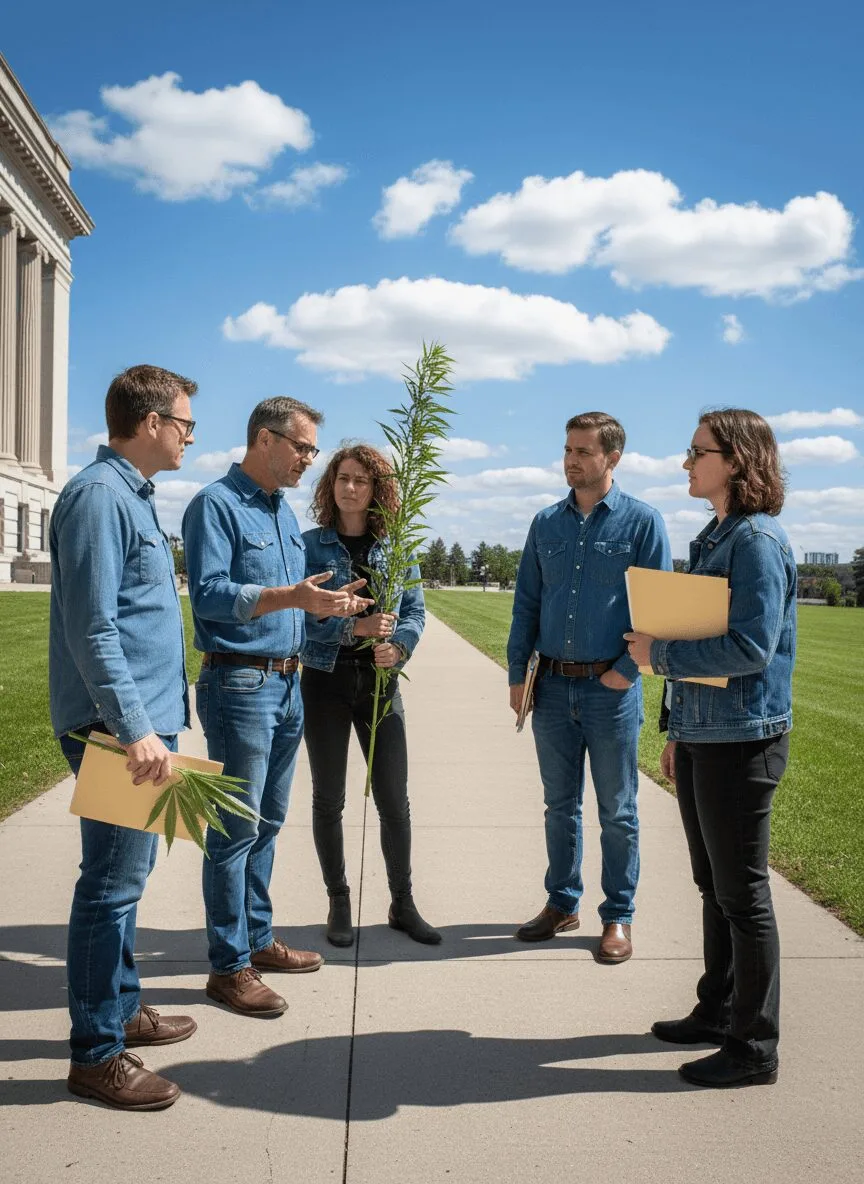
Federal Hemp Law Reform: Wisconsin Governor Demands Action
Right now, the national spotlight is on federal hemp law reform, and Wisconsin’s governor is leading the charge. This issue matters to farmers, the cannabis industry, and lawmakers nationwide. As regulations struggle to keep up with booming hemp innovation, calls for federal updates are louder than ever. Today’s political climate and economic stakes mean that the conversation around hemp is no longer niche—it’s a mainstream policy issue. As states like Wisconsin step up, new momentum is building for meaningful federal hemp law reform. Let’s break down why the timing couldn’t be more critical and what today’s moves mean for the future of cannabis in America.
Understanding the Push for Federal Hemp Law Reform: Regulatory & Market Background
The current state of U.S. hemp law is a complicated maze, shaped by federal acts like the 2018 Farm Bill. According to Congressional records, this landmark legislation descheduled hemp, defined as cannabis with less than 0.3% THC, opening the doors for a multibillion-dollar industry. But the law’s ambiguity on derived cannabinoids, interstate commerce, and testing standards sparked endless headaches for cultivators, processors, and regulators. Wisconsin, like many states, deals with the fallout from unclear federal guidance. Legal hemp farmers face hurdles from conflicting state rules, banking obstacles, and law enforcement skepticism. Industry groups, like the Hemp Industries Association, argue these gaps limit market growth and restrict innovation. The national conversation is shifting as new hemp products blur legal lines, and demand for reform grows urgent. Discussions about legal cannabis sales elsewhere, such as in places facing unique local challenges, can offer perspective, for example, how communities like Sioux Center are adapting to marijuana vapes and evolving regulations. Against this backdrop, voices like Wisconsin’s governor are calling for a total overhaul, pushing Washington to address outdated, inconsistent federal hemp law reform once and for all.
Inside Wisconsin’s Federal Hemp Law Reform Drive: The Key Developments
Let’s talk headlines, on March 3, 2026, Wisconsin Governor Tony Evers fired off a clear demand that Congress take action on federal hemp law reform. As reported by WBAY News, Evers stressed that current regulations “tie the hands” of hemp growers and hinder economic opportunities statewide. He pointed to real impacts, Wisconsin’s hemp industry, once projected as a rural economic engine, faces regulatory limbo and plummeting profits. Farmers struggle to market legal non-intoxicating hemp due to patchwork law, while law enforcement is forced to interpret vague federal guidance. Evers’ proposal urges federal lawmakers to clarify allowable THC levels, streamline licensing, and green-light interstate shipments—critical fixes to end legal gray areas. The governor’s campaign echoes similar efforts from the Wisconsin Department of Agriculture and prominent business voices, marking one of the boldest state moves for sensible federal hemp law reform. Similarly, developments in states like Virginia show how recreational cannabis proposals can lead to wide-reaching changes for communities and consumers, as seen in recent policy shifts in Virginia. As of this announcement, local stakeholders from the Wisconsin Hemp Alliance to veteran farmers have rallied behind the call. This moment defines a new front in the national hemp policy debate.
Expert Analysis & Industry Perspective: Reading the Federal Hemp Law Reform Wave
What’s the real takeaway from Wisconsin’s move? Reform here could finally end the federal-state disconnect that stifles American hemp. According to noted cannabis attorney and industry advocate Bob Hoban, “Current law treats compliant farmers like illegal actors. Real federal hemp law reform would unlock billions and legitimize the entire sector.” (Marijuana Moment). Many industry thought leaders agree, inconsistent THC testing, confusing definitions, and the lack of banking access put a chokehold on entrepreneurship. State market data from Hemp Benchmarks show declining prices and shrinking acreage, clear signs that regulatory uncertainty weighs down growth. Recent discussions at academic institutions highlight how shifting policy opinions about THC hemp shape future progress, such as fresh insights surfaced in policy discussion forums that spark new dialogue for a modern cannabis era. Wisconsin’s step shines a spotlight on the urgent need for national fixes, setting an example other states are likely to follow. As momentum builds, the cannabis community sees not just potential profits, but real progress for farmers and the thousands employed in this space. Legal clarity, after all, is the ultimate fertilizer for innovation. The push for federal hemp law reform promises a greener, more sustainable cannabis economy, if lawmakers heed the call.
Looking Ahead: Federal Hemp Law Reform’s Future and the Cannabis Industry
Wisconsin’s bold call to reform federal hemp law doesn’t just mark a policy moment—it signals a real movement. As more states and stakeholders voice support, pressure mounts on Congress to modernize outdated hemp laws. The federal hemp law reform push could pave the way for new investments, jobs, and healthy competition nationwide. Even leading industry analysts, including those cited by New Cannabis Ventures, foresee a future where consumer choice, innovation, and social acceptance thrive under clear, modernized regulation. The journey isn’t over, but with advocates, industry leaders, and now governors like Evers on board, the outlook is brighter (and just a bit greener) than ever. Federal hemp law reform stands to unite policymakers, empower American agriculture, and help cannabis finally shed the old stigma—one state-led initiative at a time.
Originally reported by: wbay.com



1 Comment
Pingback: Legal Work From Home Australia: Discover Your Workplace Rights