





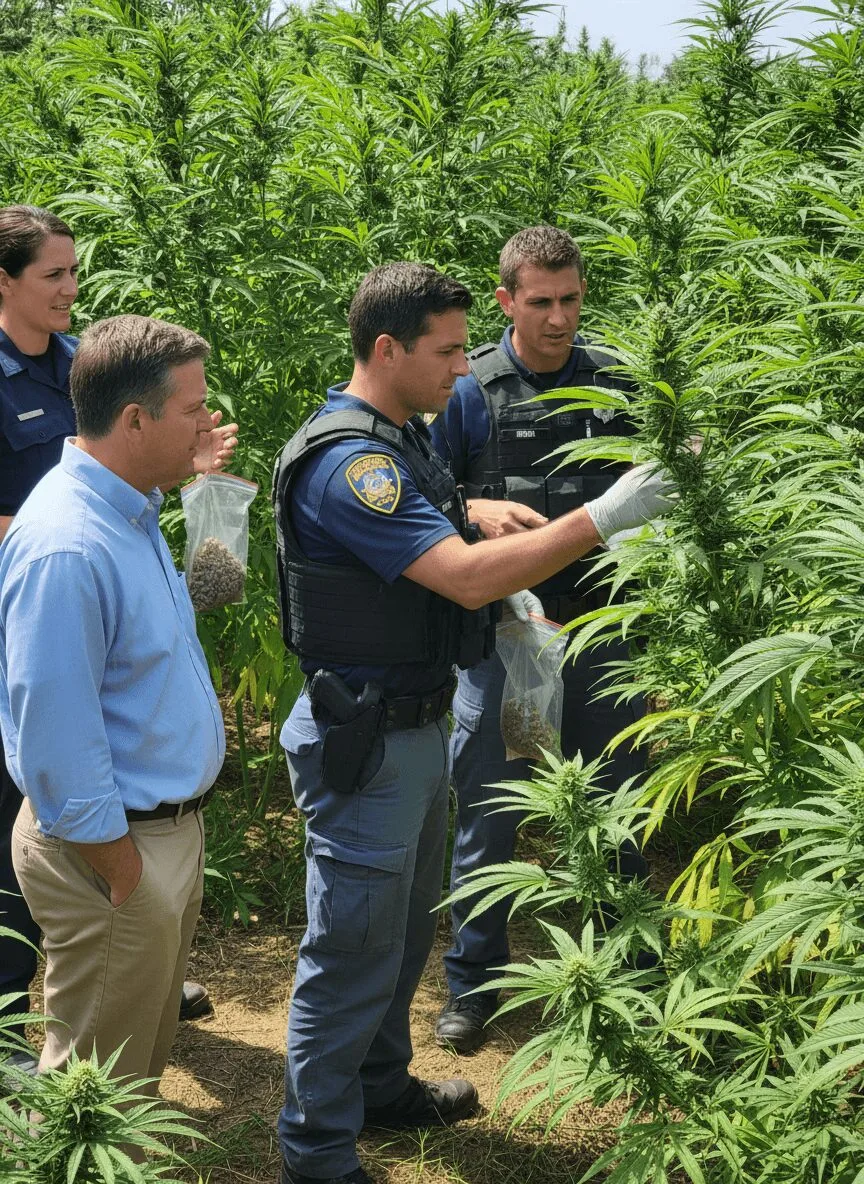
FBI illegal marijuana crackdown: Sen. Collins urges action
Things are heating up—literally and figuratively—in the world of cannabis as headlines buzz with “FBI illegal marijuana crackdown.” That’s right, as legal markets expand and more states embrace the green wave, federal agencies are ramping up efforts to tackle illicit cannabis grows. The urgency climbed this week as Senator Susan Collins called on the FBI to up their game, especially focusing on illegal cultivation sites in Maine. So why is everyone suddenly talking about the crackdown? Let’s break it down: from rising federal scrutiny to the ongoing dance between state and federal cannabis policies, this issue couldn’t be more timely for anyone who cares about the plant, patient rights, public safety, or the industry’s legitimacy. Here, we’ll dig into what’s sparking fresh controversy, what it means for folks from growers to advocates, and why the cannabis community cares deeply about the FBI illegal marijuana crackdown.
Background: Federal Cannabis Enforcement in the Mids of Progress and Pushback
To really get why a new FBI illegal marijuana crackdown is making waves, consider the messy state of U.S. cannabis law. While over half of U.S. states have embraced medical or even full adult-use legalization, with pioneers like Maine and Illinois, the feds still classify cannabis as a Schedule I substance. This federal-state disconnect fuels legal gray areas and, like an old-school stoner’s memory, creates confusion for both businesses and law enforcement. According to recent Senate filings, states continue to advocate for clarity, but illicit grows still pop up, especially in rural or lightly regulated regions. Major agencies such as the FBI, DEA, and DOJ swap between bark and bite, leaving both licensed cultivators and law-abiding consumers in limbo while criminal organizations exploit the gaps for profit. It’s not surprising that large law enforcement operations make headlines, as seen with recent cases in Augusta where trafficking and illegal grows have made news. These events highlight why the local impact of marijuana trafficking busts continues to resonate beyond local communities and adds pressure on federal enforcement strategies.
Key Developments: The Maine Spotlight and Federal Outcry
Let’s get specific. According to WGME News, Senator Susan Collins put the FBI on blast, demanding a stepped-up response to illegal cannabis operations cropping up in Maine. The crackdown isn’t just about a couple of grow lights and baggie scales, it’s tied to reports of sophisticated, large-scale operations with alleged international links. In her public statement, Collins referenced numerous law enforcement raids that point to possible connections with foreign actors, raising the alarm about threats such as financial crimes and environmental hazards. From December 2023 through March 2024, Maine authorities—often joined by federal partners—raided dozens of properties suspected of housing illegal marijuana operations, some reportedly connected to entities abroad. The FBI illegal marijuana crackdown is targeting not only the crops but also the wider criminal networks involved in laundering money through real estate and other industries. These actions, particularly in places like Franklin County during early 2024, underscore how the interplay of cannabis, crime, and public safety remains under a national spotlight. These high-stakes events are already triggering wider debates, even as states prepare for the influence that future cannabis elections could have on U.S. weed laws.
Expert Insights: Tensions, Impacts, and Cannabis Industry Ramifications
The FBI illegal marijuana crackdown in Maine highlights a core industry dilemma: how to protect both consumers and legitimate businesses from criminal actors without reigniting outdated stigmas or derailing progress that advocates have fought for nationwide. As Marijuana Moment quotes industry veteran John Hudak: “Targeting illicit actors is important, but overzealous enforcement risks undermining state legal markets and trust in the regulatory process.” For growers, risks are significant, ranging from crop loss to criminal charges and even reputational harm by association. Yet, the threat posed by illegal grows is real: they can ignore safety rules, evade tax law, and undermine regulated, craft-focused farmers who work hard within the system. Lawmakers, advocates, and industry pioneers walk a fine line—constantly adapting as enforcement and regulations evolve while the broader legal puzzle from state to federal remains complex. Meanwhile, security concerns are mounting, especially in light of incidents like arson attempts at dispensaries, which reinforce the urgent need for smarter, more evidence-based cannabis reforms to protect local businesses and communities.
Looking Forward: Hope, Reform, and a Smarter Cannabis Future
Despite real risks, the “FBI illegal marijuana crackdown” underscores just how far we’ve come—and how much opportunity remains. Consumers are savvier, policymakers are gradually wising up, and the industry is stronger than ever, as shown by record legal sales in states like Illinois and robust patient protections in places like Maine. The solution? A more cohesive regulatory approach that honors both public safety and the undeniable benefits of a legalized, taxed, and tightly regulated cannabis economy. As the National Cannabis Industry Association says, “Sensible enforcement protects legit businesses while providing an off-ramp from prohibition-era policies.” One thing is certain: the root system of American cannabis is deeper and more resilient than critics realize. As more states evolve, the hope is that federal actions—like the FBI illegal marijuana crackdown—pave the way for real reform, not just more headlines.
Originally reported by: wgme.com


1 Comment
Pingback: Marijuana Rescheduling Employer Guidance: What Every Business Must Know