





FBI cannabis organized crime: Uncovering the Fairfield pot shop scandal
If you thought the cannabis world was only about plant genetics, good vibes, and well-stocked gummies—think again. The recent headlines around FBI cannabis organized crime inquiries, especially the Fairfield pot shop investigations, are shaking up industry conversations and policy circles. With national cannabis reform gaining momentum and legal shops cropping up everywhere, this probe shines a bright, not-so-flattering light on how criminal groups might attempt to infiltrate this blossoming sector. As news breaks and details surface, it’s crucial for anyone invested in cannabis—users, advocates, and business owners—to understand both the risks and the resilience of our community. Let’s break down what’s really happening, and why FBI cannabis organized crime concerns merit your attention today.
Background: Cannabis Industry Growth, Regulation, and Vulnerabilities
The regulated cannabis marketplace in states like Maine aims to eliminate illicit operations by providing safe access and product transparency. Yet, as Leafly reports, even well-meaning legal frameworks have gaps. Federal prohibition remains a key obstacle, creating a gray area that criminal organizations hope to exploit. Recent regulatory shakeups in other states, such as Connecticut’s attention-getting dispensary closures, further highlight how inconsistent rules open the door to unintended consequences. Dual licensing requirements, ambiguous ownership regulations, and limited banking access heighten vulnerabilities. This patchwork system unintentionally attracts bad actors, allowing some to hide in plain sight. Local news and Marijuana Moment consistently detail how insufficient federal oversight complicates everything from background checks to financial scrutiny. Meanwhile, community trust and the promise of a legitimate marketplace are tested by every high-profile bust associated with FBI cannabis organized crime investigations. As national support for reform grows, challenges persist in aligning robust legal protections with the speed at which the cannabis market evolves.
Key Developments: The Fairfield FBI Cannabis Organized Crime Investigation
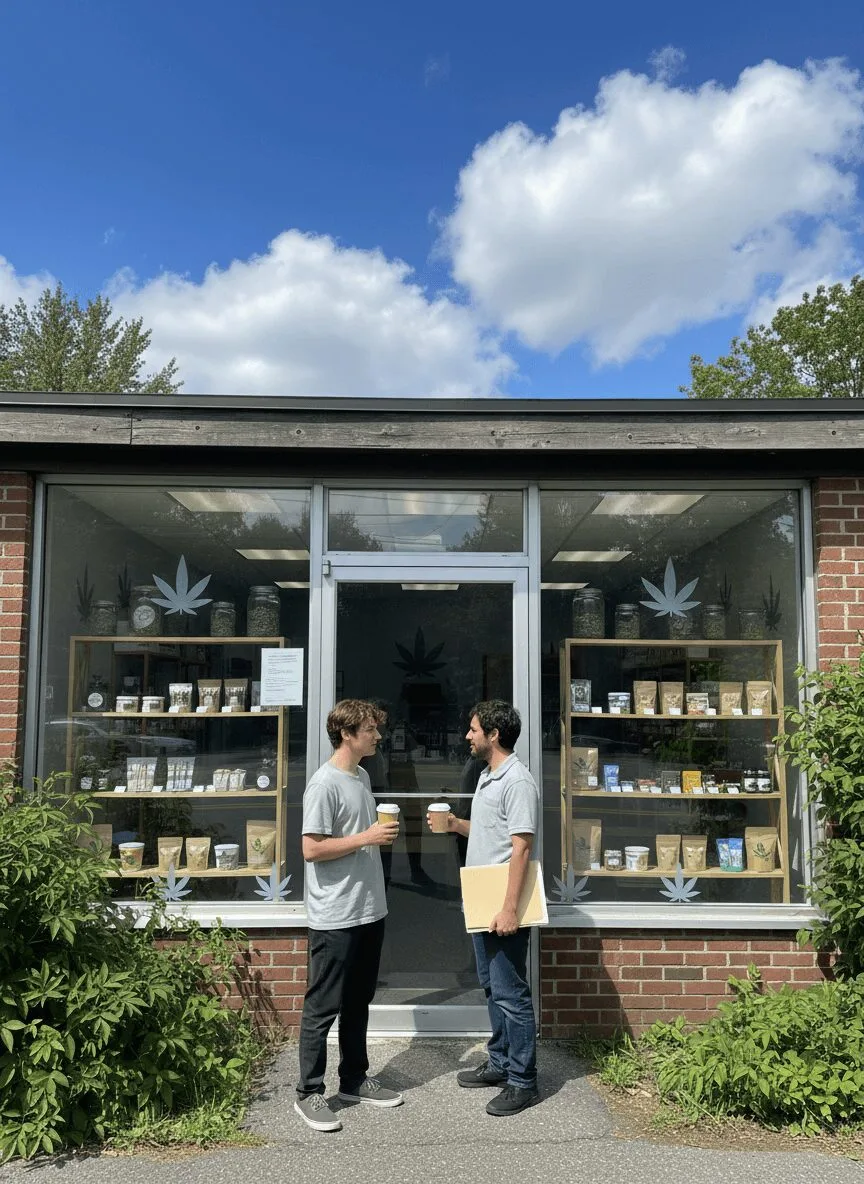
On January 21, 2026, a quiet Fairfield cannabis dispensary caught the attention of federal authorities. According to Central Maine, FBI agents opened an organized crime probe after suspicious ownership changes, past ties to Chinese criminal groups, and large unexplained financial transfers. For comparison, one can look at what transpired in the Maine bank fraud scandal involving marijuana enterprises, which exposed similar vulnerabilities in oversight and transparency. This shop, whose new ownership structure was scrutinized, previously faced local license suspensions. Fairfield’s selectboard received confidential warnings, leading to joint state and federal inquiries. Sources cited legal documents alleging money laundering and links to wider distribution networks—an open secret troubling Maine’s close-knit cannabis community. While exact sums and pending charges remain sealed, the FBI cannabis organized crime sweep highlights an uncomfortable overlap between poorly enforced legal standards and determined organized crime syndicates. Area business owners report increased compliance checks and heightened anxiety, while industry watchdogs say this case may mark a pivotal moment for state regulators and legitimate entrepreneurs alike. Insights into forthcoming regulatory adjustments can be seen in the preview of sweeping changes expected to shape the cannabis industry.
Expert Insight: Lessons and Cannabis Industry Resilience
While cases like Fairfield’s are headline-grabbing, they don’t represent the majority of cannabis businesses. As Cannabis Business Executive contributor and compliance consultant Janice Samuels notes, “The vast majority of operators are working transparently, risking personal capital and reputations to build something lasting.” She continues, “No sector is immune to bad actors, but regulatory clarity and robust community oversight are our best defense.” Industry groups like the National Cannabis Bar Association have urged more stringent vetting and business transparency as proactive ways to keep FBI cannabis organized crime out of legal dispensaries. Most market participants want to push for reform, not loopholes. The Fairfield incident, though unsettling, motivates greater industry collaboration, smarter policy, and better day-to-day practices. For further perspective on how labor rights interact with ongoing reforms, recent changes in New Jersey’s cannabis labor protections illustrate how regulations can also empower workers and support a resilient sector. The cannabis sector proves again that it can adapt, self-police, and keep its sights set on accountability.
Looking Forward: Strengthening the Cannabis Industry After Scrutiny
This FBI cannabis organized crime episode is a wake-up call—but also a testament to the legal cannabis community’s ability to root out corruption and build trust. Ongoing industry innovations, tighter regulations, and growing public acceptance point toward a future where organized crime has fewer footholds. According to a legal cannabis economic impact study, states with stronger oversight see increased safety, stability, and local economic benefits. In other words: the best days are ahead, especially if we keep emphasizing transparency and social responsibility. With each challenge—Fairfield included—the industry gets stronger, more resilient, and more respected in the eyes of consumers, regulators, and the broader public. Let’s keep the momentum going and make sure the real story of cannabis is one of innovation, equity, and community strength.
Originally reported by: centralmaine.com



1 Comment
Pingback: Washington marijuana home cultivation: Legal Change Ahead?