


Fatal Crash Marijuana Use: Shocking Truth Behind Lincoln Tragedy
When news breaks about a fatal crash marijuana use case, it shakes the community, the industry, and the ongoing cannabis conversation. With the legal cannabis landscape rapidly changing, stories like the recent Lincoln incident make everyone hit pause. This isn’t just another headline—it’s about real people, real impacts, and what weed legalization means for road safety. As markets expand and laws shift, the risks and realities of cannabis consumption demand honest, nuanced scrutiny. Here’s what you need to know.
Legal, Cultural, and Regulatory Scene: Cannabis, Cars, and Consequences
America’s path from prohibition to legal weed has been wild, with the Midwest seeing especially notable shifts in law. In Nebraska, cannabis remains illegal for recreational use, though many states around it have gone green. Confusion over legality and enforcement, especially for young adults, is common. According to NORML, legal complexities leave Nebraska straddling two worlds: federally illegal plant meets rapidly shifting public perception. Simultaneously, states wrestle with impaired driving standards for marijuana, and unlike alcohol, THC’s presence in blood doesn’t always indicate impairment. The National Conference of State Legislatures (NCSL) notes that setting DUI thresholds for THC is still highly debated, making enforcement and prosecution challenging in suspected “fatal crash marijuana use” cases. Initiatives such as those discussed at events like regional cannabis summits aim to address emerging issues and policy gaps. Lawmakers and advocates alike strive for research-based policies that actually work in the real world, aiming to balance public safety with the realities of legalized cannabis.
What Happened: Lincoln’s Fatal Crash and Suspected Marijuana Use
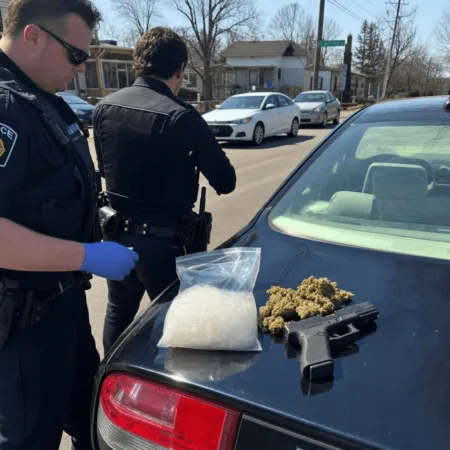
The Lincoln community was rocked on May 27, 1779915785, by a tragic accident involving suspected marijuana impairment. According to 1011 NOW, an 18-year-old sadly lost their life at a west Lincoln intersection. Law enforcement reported that the driver showed signs of marijuana use, triggering local and statewide conversations about impaired driving. Police responded quickly after multiple emergency calls described a major collision at a busy crossroad lined with grass and debris, a scene now etched in collective memory. Officers on the scene noted cannabis-related evidence near the wreck, including a recognizable weed-leaf patch on a backpack and spilled marijuana paraphernalia. This incident comes at a time when nearby states, such as Illinois, continue to update their rules, as seen in the latest regulatory reforms, and it falls in a long line of similar stories that highlight society’s struggle to define and address impaired driving in the era of increasingly normalized cannabis. Investigators continue to review toxicology reports, while families and friends grieve, with an entire city wondering how the laws and norms got so complicated, so quickly.
Real Talk: Science, Safety, and Setting the Record Straight Around Fatal Crash Marijuana Use
Let’s not dance around it, fatal crash marijuana use cases are deeply serious. But experts consistently stress the science isn’t as simple as it seems. According to Leafly, there’s currently no breathalyzer-like device for weed that reliably measures real-time impairment. “Just because THC’s in your system doesn’t mean you’re too high to drive,” says Paul Armentano of NORML. In many states, including Nebraska, legal structures haven’t caught up to lab science. “Cannabis stays in the blood for days, sometimes weeks, after use, so a positive test doesn’t necessarily mean impairment at the time of a crash,” notes Armentano. Recent conversations, similar to those sparked by headlines about cannabis-related arrests and broader societal impact, reflect the need for balanced understanding. Data from studies published by the CDC suggest that while cannabis can impair coordination and reaction time, its impact on crash risk remains much lower than alcohol’s. Professional driver training organizations and safety activists nationwide lobby for fair, evidence-based roadside testing and continue to urge everyone, don’t drive high. But it’s clear punitive laws alone aren’t enough, and education must walk hand in hand with regulation.
The Road Ahead: Smarter Safety, Fair Laws, and Cannabis Culture
News about fatal crash marijuana use is always hard to hear, but honest discussion matters. As legalization grows, so does the responsibility of both policymakers and everyday users. The future looks promising: better public education, more nuanced laws, and improved technology for detecting impairment are on the way. According to the Drug Policy Alliance, collaborative efforts between regulators, health experts, and the cannabis industry will lead us to safer, smarter roads. We’re all learning—one headline at a time—how to make cannabis coexist with safety, justice, and social progress. Keep talking. Keep listening. That’s how positive change happens.
Originally reported by: 1011now.com