






Family Threat Marijuana Arrest: Shocking Police Details
Right now, the spotlight is on the realities of cannabis, law, and family tensions. The recent family threat marijuana arrest is grabbing headlines, stirring up heated debates about enforcement, stigma, and policy. As legalization ramps up nationwide, real-life stories like this challenge us to balance safety with sensible cannabis reform. Let’s dig into what happened, why it’s such a viral flashpoint, and how the cannabis movement is responding to the growing pains of progress.
Background: Cannabis Law, Social Climate, and Family Tensions
Way before this family threat marijuana arrest made waves, cannabis laws across the U.S. created a patchwork of confusion. While states like Illinois and Massachusetts have championed legalization, the federal government still classifies cannabis as a Schedule I drug. That makes for conflicting rules, frequent misunderstandings, and, too often, over-policing of minor cannabis infractions. According to NORML, most Americans support some form of legal weed. But criminal charges still attach to cannabis in many cases, especially when other tensions erupt. Add family stress and community pressure, and you’ve got a recipe for viral headlines and public soul-searching. In places grappling with policy changes—where even retail stores face uncertainty due to shifting bans and regulation, including the impact on convenience stores as recently discussed in how the hemp THC ban impact hits C-stores—incidents like the family threat marijuana arrest spotlight the need for clear policy and real-world harm reduction.
Key Events: The Arrest, Police Claims, and Legal Fallout
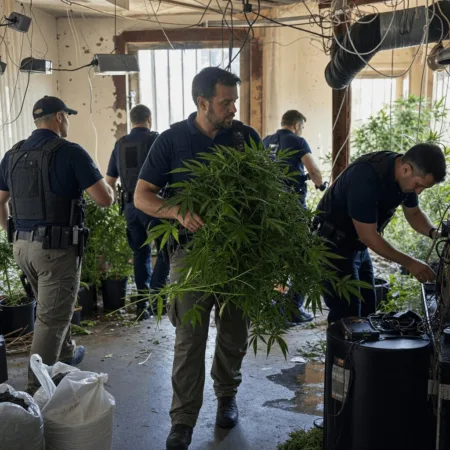
On January 19, 2026, police responded to a distress call involving a domestic dispute and alleged threats at a private home in Kentucky. Reports indicate that an adult male, later identified as Jack Foster, allegedly threatened violence against his own family members during what witnesses described as a heated argument. Officers arrived to find unmistakable evidence of marijuana use: visible cannabis buds and rolling papers sitting atop a cluttered living room table. According to WKYT News, police charged Foster with making terroristic threats, endangering the welfare of a minor, and possession of cannabis in violation of Kentucky law.
Family members at the scene, including an adult woman, a young adult, and a teenage child, were described as “visibly distraught.” Official police statements emphasized the presence of cannabis as an aggravating factor, even though advocacy groups argue it’s not inherently tied to criminal behavior. The family threat marijuana arrest quickly picked up media traction, with local outlets and national cannabis forums debating the charges, police conduct, and larger systemic questions. When looking at similar legal scenarios where arrests make headlines and drive debate—like in the recent SWLA arrest report detailing the real-life impact of local enforcement—it’s clear that broader conversations on policing, social stigma, and legal inconsistencies are still very much in play. As the legal case moves forward, Foster faces both state-level criminal charges and possible future legal battles over parental rights or custody.
Expert Insights: Cannabis, Policing, and Social Change
This family threat marijuana arrest case is a dead-on example of how cannabis stigma still lingers, even as legalization spreads. According to Marijuana Moment analysis, “The presence of cannabis is often sensationalized in police statements, fueling public fear even when the drug itself plays little part in actual criminal conduct.” As longtime legalization advocate Ethan Nadelmann put it in an interview with Leafly: “The real story is about outdated laws and social structures, not the plant. We need smarter enforcement, not scapegoating.”
In most states where cannabis is legal, simple possession doesn’t drive police action unless it’s linked with violence or child endangerment. Even so, federal prohibition lingers, feeding biases in places where old-school laws still rule. When a headline like family threat marijuana arrest hits, it forces the public to confront a mashup of personal trauma, confused law, and cannabis culture in transition. Researchers, as cited by the National Institutes of Health, suggest there’s no direct link between marijuana use and violence, but policing priorities often ignore the science. For instance, even in regions beyond the U.S., evolving laws and enforcement challenges remain, as illustrated by recent reports on Ireland’s rural cannabis smuggling and its legal risks.
Future Outlook: Progress, Education, and Changing the Narrative
The family threat marijuana arrest story is another chapter in the evolving saga of American cannabis. While tragic family conflicts demand intervention, the kneejerk criminalization of marijuana only muddies the waters. As more states mirror progressive cannabis policies and public perception shifts, expect to see better training, smarter laws, and more compassion from authorities and the media.
Every time a news cycle features a headline like “family threat marijuana arrest,” it’s a wake-up call for reformers, families, and policymakers. Let’s keep the focus on reducing harm, embracing evidence, and fighting the lingering stigma. The truth? Cannabis is here to stay, and with thoughtful, human-centered policy, we can keep families safe and end senseless arrests for good, as leading analysts from Forbes predict continued growth and acceptance in coming years.
Originally reported by: wkyt.com


1 Comment
Pingback: West Virginia medical marijuana funds: What's the holdup?