

The Regulatory Landscape: Why Cannabis Access Needs an Upgrade
The legal cannabis market has experienced rapid expansion, but remains challenged by changing regulations and social debates. Every state with legal adult-use cannabis holds vendors strictly accountable for verifying age, usually handled by staff with varying thoroughness. As highlighted by the National Conference of State Legislatures, adherence to age limits leads to strict enforcement and significant penalties for infractions. At the same time, reports by Cannabis Business Times show how deficiencies in security—such as fake IDs, inconsistent checks, and underage access—have created both industry vulnerabilities and reputational risk. The debate echoes recent controversies, as was seen during industry-wide movements aiming to reshape cannabis conversations with innovative approaches to nationwide cannabis education and THC awareness. While public support for adult access is strong, genuine concern persists about protecting minors. As markets mature, biometric security, privacy-focused operations, and seamless purchasing are growing priorities, creating a strong case for new solutions that enhance both safety and user experience.
Key Developments: Smart Vending Machines Enter the Cannabis Scene
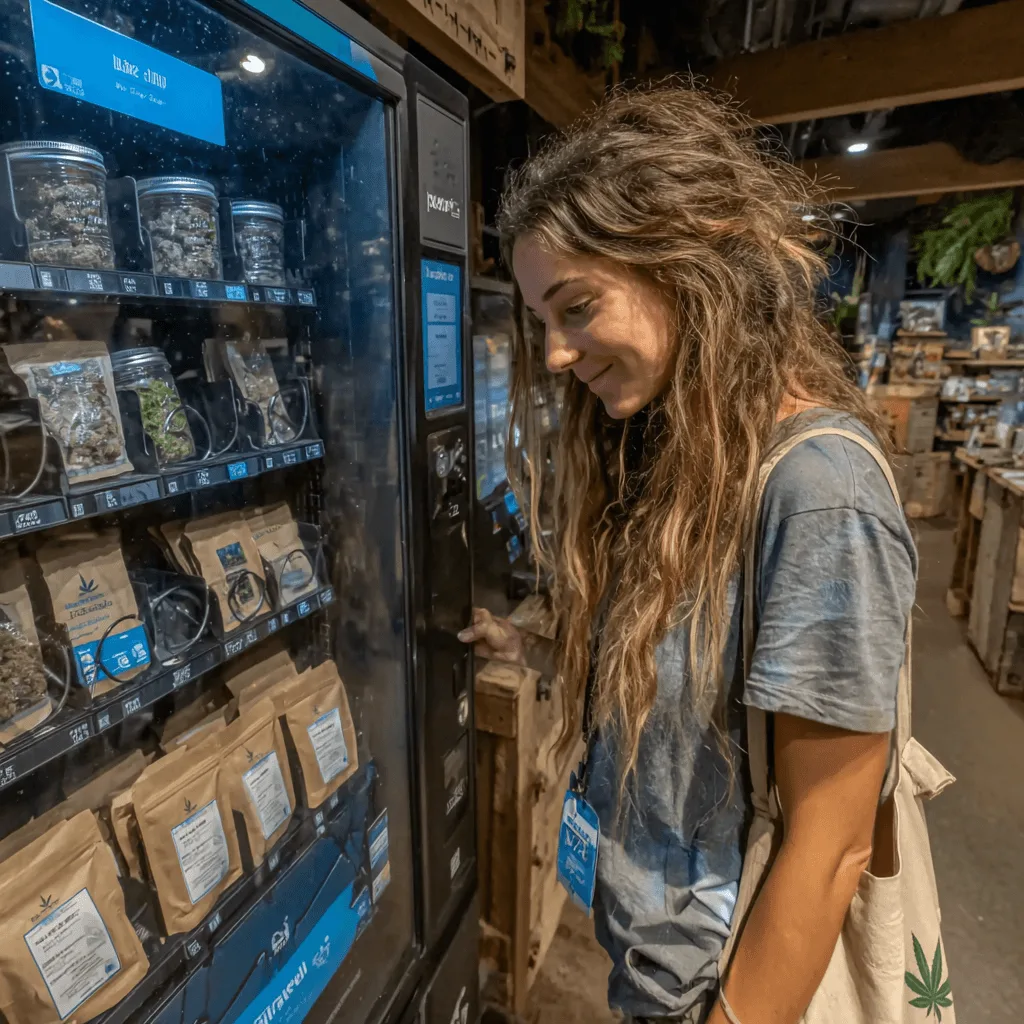
Smart vending machines are now debuting in several legal cannabis states. One breakthrough, covered by Kiosk Marketplace, involves age-verification kiosks using facial recognition and ID-matching technology, ensuring access is limited to verified adults. These kiosks, developed by Vape Sales Labs, process identity checks in real time without storing images—a major privacy advantage. Legal compliance efforts, like those in Illinois and Nevada, have won positive reviews from regulators, while early media coverage highlights the role of laws such as the Illinois Biometric Information Privacy Act in shaping operational safeguards. The integration of these vending machines with track-and-trace systems, like Metrc, helps solidify compliance for retailers. Similar strategic changes are affecting retailers across North America, for instance, recent expansions of innovative dispensary formats across Canada have demonstrated how automating sales and adopting new technology can benefit both stores and consumers. As interest climbs among dispensary owners, these tools promise extended sales hours and fewer headaches from manual errors or fake documents.
Expert Takes: Why Facial Recognition THC Vending Is a Big Deal
Cannabis access continues to balance personal freedom with legal responsibility. Smart vending technologies offer a step forward for self-service cannabis purchases—imagine buying a cartridge late at night without the need for conventional in-store interactions or privacy worries. Industry figures such as Steve DeAngelo, featured in Marijuana Moment, advocate that secure and intuitive tech helps move the industry out of the shadows by providing responsible, user-friendly solutions. Smart vending directly solves persistent issues like underage sales and compliance lapses, while offering a smoother shopping experience in line with the expectations of modern consumers. Industry analysis in MJBizDaily underscores increased sales at locations utilizing this technology, even as critics point out ongoing privacy debates. These developments mirror compliance challenges faced across states—recent controversies in places like Texas have highlighted how states are still defining clear purchase ages and procedures —prompting regulators and businesses alike to seek more reliable enforcement and technology-driven verification. The evolution of smart vending in cannabis is attracting fresh investment and policy interest, shaping a new chapter of smarter, safer access.