





EU biodiversity progress: What’s Driving Change in Europe?
Right now, everyone’s talking about nature—and the cannabis crowd is all ears. Why? Because EU biodiversity progress isn’t just conservation jargon. It’s about the future of green spaces, lifestyle liberty, and yes, our beloved plant’s place in everyday city life. Policy shifts, environmental worries, and social attitudes are colliding, giving cannabis a shot at acceptance and making “progress” more than political buzz. Whether you’re a park-walker, eco-warrior, or just a mellow advocate, there’s big news and high stakes unfolding in Europe’s parks and beyond.
Background: Why EU Biodiversity Progress Matters for Cannabis
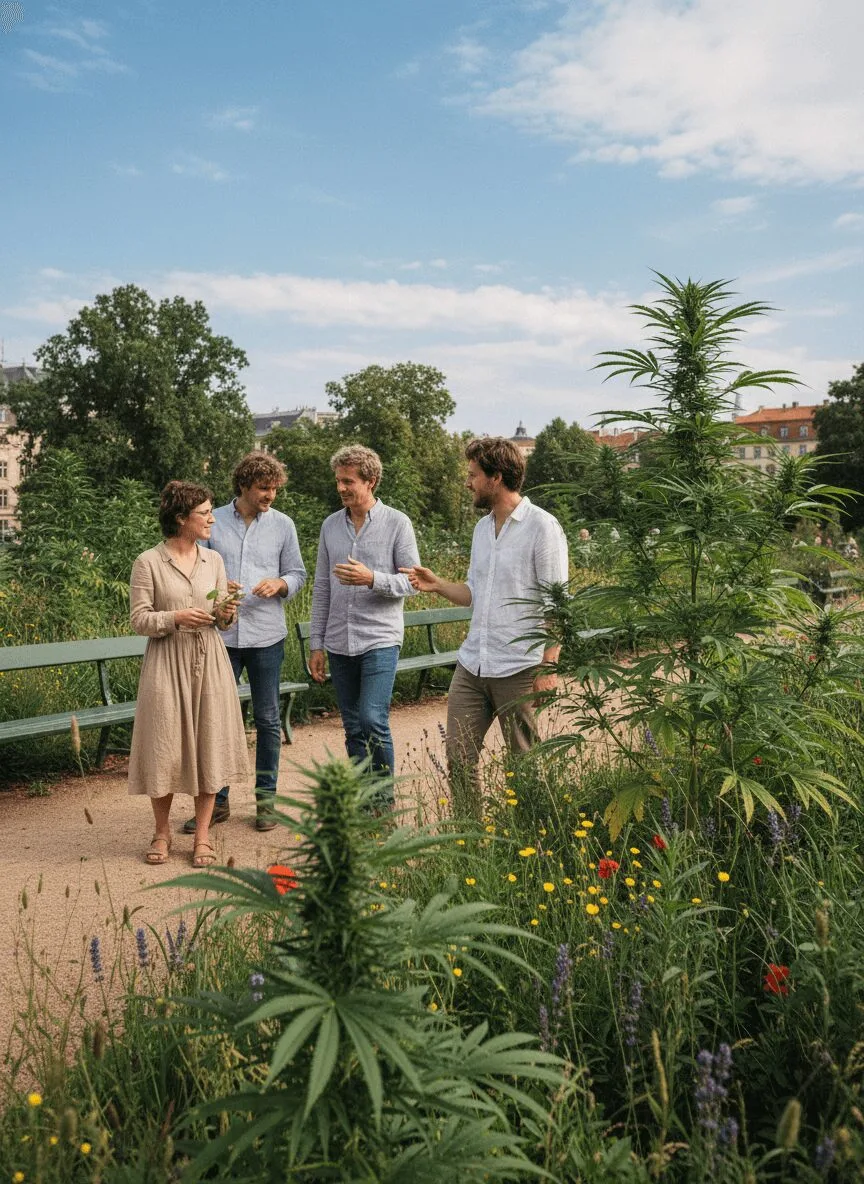
For ages, Europe’s laws on plants, both wild and cultivated, were as rigid as a stick of cured hemp. But that’s changing fast. The European Commission is on a mission to restore nature, as detailed in the EU Biodiversity Strategy for 2030. The new approach connects environmental goals, market potential, and social change. The legal framework increasingly recognizes ecosystem services and local flora, from wildflowers to the not-so-wild cannabis sativa. More citizens and policymakers are admitting that EU biodiversity progress isn’t about keeping things ‘pure’, it’s about embracing native and adaptive species, and even reconsidering once-taboo plants. When you stroll through parks, local flora now might include wild hemp or low-THC cultivars, reflecting policy shifts and growing demand for sustainable solutions. Mainstream media, NGOs, and advocacy groups push hard for better biodiversity, and their wins move the bar on what’s accepted, especially for green industry hopefuls. Stories like those covered in unfiltered local cannabis news stories show how regulatory change is part of daily headlines, reminding us that changes in EU biodiversity progress spill directly into cannabis: regulation, acceptance, and business innovation are all growing from these roots.
Key Developments & Issues: New Momentum in the Field
So, what’s hot off the wire? The EU Commission’s February 2024 progress report declares that while more habitats are protected, the clock is ticking for action by 2030. From Berlin to Barcelona, member states are expanding green space restoration, with programs re-wilding urban parks and rethinking what ‘native’ really means. The report pushes authorities to hit biodiversity targets with actual measurable steps. Places like the Netherlands and Czechia are turning heads with projects that slip low-THC cannabis varieties into regeneration efforts, openly, as part of controlled research into urban biodiversity. Meanwhile, the legalization movement gains traction in Germany, where lawmakers introduced sweeping reforms in early 2024, making headlines much like those found in environmental enforcement news shaping the cannabis industry. This matters because EU biodiversity progress influences which plants make the public cut, and how they’re treated in law and daily life. Alongside new guidance for native species, the Commission wants cities to lead by example, so expect a few more cannabis leaves mixed in with your daisies on that next park walk. Still, despite the rosy updates, the official word is clear: the job’s not done, and all hands are needed, especially for bridging nature, regulation, and social license for ‘green’ industries.
Expert Analysis & Cannabis Industry Insights
Let’s be real, EU biodiversity progress is a goldmine for innovation, controversy, and hope. Europe’s tightening restrictions on pesticides and synthetic ag inputs have forced urban planners and canna-farmers alike to get creative, as shown in the Leafly Europe Industry Report. Integrating cannabis into biodiversity efforts is about harmonizing with the natural ecosystem and respecting local sensibilities—no one wins if change feels forced, says Dr. Luca Fabbri, botanist and cannabis advocate quoted by Cannabis Industry Journal. Beyond the plants themselves, there’s a big shift in attitudes. Citizen science projects, supported by universities like Wageningen and ETH Zurich, prove that when everyday people are part of restoration efforts—including responsible cannabis observations—everyone learns. Biodiversity and cannabis policy have more overlap than most skeptics think: resilience, tolerance, and adaptation are the keywords. Even local governance conversations, such as those chronicled in real-life zoning and cannabis board hearings, underscore how momentum is on our side. As EU biodiversity progress takes root, cannabis and its allies are co-evolving, not just co-habiting. The trends? Broader acceptance, new local strains, and micro-industry booms tied to eco-restoration pilots. Someone even joked at ICBC Berlin, maybe wild weed is the real urban rewilding. Not wrong, honestly.
Future Outlook & Conclusion: EU Biodiversity Progress and Cannabis—A High-Growth Future
If you’re watching EU biodiversity progress, don’t blink—change is accelerating. The once-wild idea of integrating cannabis into city parks is now just a page in Europe’s evolving playbook. With regulators, industry hotshots, and citizen scientists dropping barriers, we’re heading into a future where cannabis is seen as another cornerstone of a vibrant, resilient urban ecosystem. The European Environment Agency reinforces this: adaptive species and community-based management will drive both biodiversity protection and social innovation. The pro-cannabis crowd knows the grind’s not over, but EU biodiversity progress is proof that green futures aren’t just pipe dreams—they’re policy, culture, and everyday life. So, next time you spot cannabis blending in with wildflowers, smile. Europe’s just getting started and, honestly, it’s about time.
Originally reported by: environment.ec.europa.eu


