





DWI marijuana arrest Lincoln: Shocking Motorist Charges Revealed
The topic of DWI marijuana arrest Lincoln is front and center as the cannabis industry continues to grow and intersect with law enforcement and public health. Changing attitudes, evolving state laws, and market expansion have transformed casual use into a mainstream choice for many adults. Yet, this progress brings complex questions about safety, legal limits, and personal freedoms. The recent DWI marijuana arrest Lincoln case brings these issues into sharp focus, highlighting challenges for drivers, authorities, and communities navigating the blurred lines between medicinal use, recreation, and the law. Here’s what you need to know as cannabis culture meets regulatory crackdowns.
Understanding the Legal Landscape: Why DWI Cannabis Cases Matter
Cannabis legalization has swept across many states, but driving while impaired remains a major legal pitfall. In Louisiana, even though marijuana is decriminalized for certain amounts and qualifying patients may access cannabis for medical use, all drivers face strict DWI enforcement. According to NORML and the Louisiana Attorney General, DWI marijuana arrest Lincoln cases typically hinge on observed impairment, not chemical test thresholds. The outcome depends on how law enforcement interprets ‘motor skills impairment’, which is highly subjective for cannabis. Even a registered medical marijuana patient can face DWI charges if a police officer believes their driving is affected by cannabis consumption. These complex rules echo national stories, including the way older adults adapt to medical and legal changes in cannabis culture, as explored in a discussion of seniors and marijuana challenges. This legal ambiguity leaves both drivers and officers in a confusing territory, pushing communities to rethink safety, rights, and responsible use.
Key Developments: Facts and Fallout in the DWI Marijuana Arrest Lincoln Case
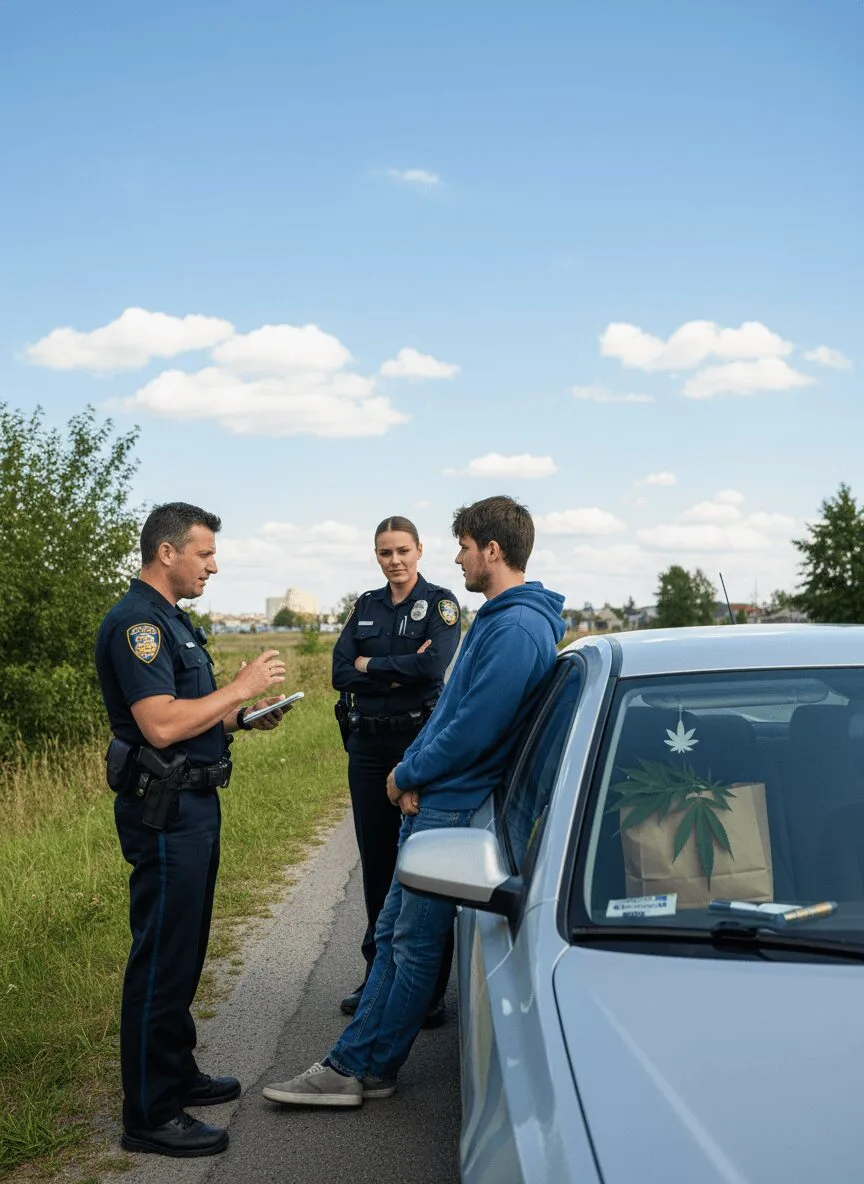
On February 24, 2026, local law enforcement in Lincoln Parish charged a motorist with DWI and marijuana-related violations. The incident, reported by multiple regional news outlets, unfolded after police observed erratic driving and conducted a roadside stop. Officers reportedly noticed a strong cannabis odor and visible cues, such as loose cannabis in a bag and paraphernalia inside the car. According to the Lincoln Parish Journal, officers administered field sobriety tests before arresting the individual on suspicion of being impaired by marijuana while operating the vehicle. The suspect now faces legal proceedings for DWI as well as additional citations related to possession and paraphernalia.
This isn’t an isolated event. Louisiana State Police and other local enforcement agencies have ramped up roadside checks since the passage of recent legal reforms, much like the changing approach to marijuana arrests in other parts of the country, such as ongoing debates sparked by marijuana arrests in Orange City. USA Today notes a statewide trend toward stricter DWI marijuana arrests, especially as usage rates climb and law enforcement receive new training focused on cannabis-related impairment signs. The DWI marijuana arrest Lincoln case stands as a tangible marker of this evolving environment, where cannabis legality, individual rights, and public safety often clash headlong.
Expert Analysis: Navigating the Gray Area Between Use and Impairment
This DWI marijuana arrest Lincoln case puts the spotlight on the tricky intersection of cannabis use and driving laws, an area where science, regulation, and culture often butt heads. Industry insiders and legal experts alike argue detection of cannabis impairment is still notoriously unreliable. According to Leafly, unlike alcohol, THC blood levels don’t directly map to actual impairment, and cannabinoid effects can linger for hours or days without diminishing user capacity. Prominent policy advisor Dr. Paul Armentano, Deputy Director at NORML, puts it bluntly: “There is zero scientific evidence to support the current per se DWI standards for THC. Law enforcement needs more accurate roadside tools before lives and livelihoods are upended by questionable test results.”
Moreover, seasoned cannabis professionals urge a more measured approach that combines public safety with individual freedoms. The challenges and lessons learned from high-profile dispensary incidents, like community reactions following major dispensary raids, show the need for better public education and policy clarity. They point to successful harm-reduction models adopted in places like Colorado and Canada, where community education and science-backed impairment testing are slowly bridging this gap (CBC). The Lincoln case is a clear example of why local policymakers and consumers need real talk—clear boundaries, better tech, and fair legal processes. Otherwise, as one well-known dispensary operator in Baton Rouge quipped, “We’re just swapping out one prohibition for another, and nobody wins except the lawyers.”
Looking Ahead: Advocacy, Solutions, and a Greener Future
Despite headline-grabbing stories like this DWI marijuana arrest Lincoln incident, the future holds promise for more rational, science-driven cannabis governance. The current case is a wake-up call for everyone—from consumers to cops—to push for smarter policy. With more states reviewing impairment laws, and with advocacy groups like Marijuana Policy Project calling for standardized testing and balanced rights, change is coming.
Consumer education, responsible use campaigns, and better roadside technology are all on the horizon. Even as enforcement ramps up today, the next five years may see local regulations more closely aligned with medical science and community needs. The cannabis industry is on a major upswing, and most experts believe that clarity—on both legal and personal fronts—is only a matter of time. As public acceptance grows and outdated laws are re-examined, cases like the DWI marijuana arrest Lincoln can spark the constructive changes that benefit everyone.
Originally reported by: lincolnparishjournal.com


1 Comment
Pingback: Josh Shapiro presidential support: See Where Voters Stand Now