





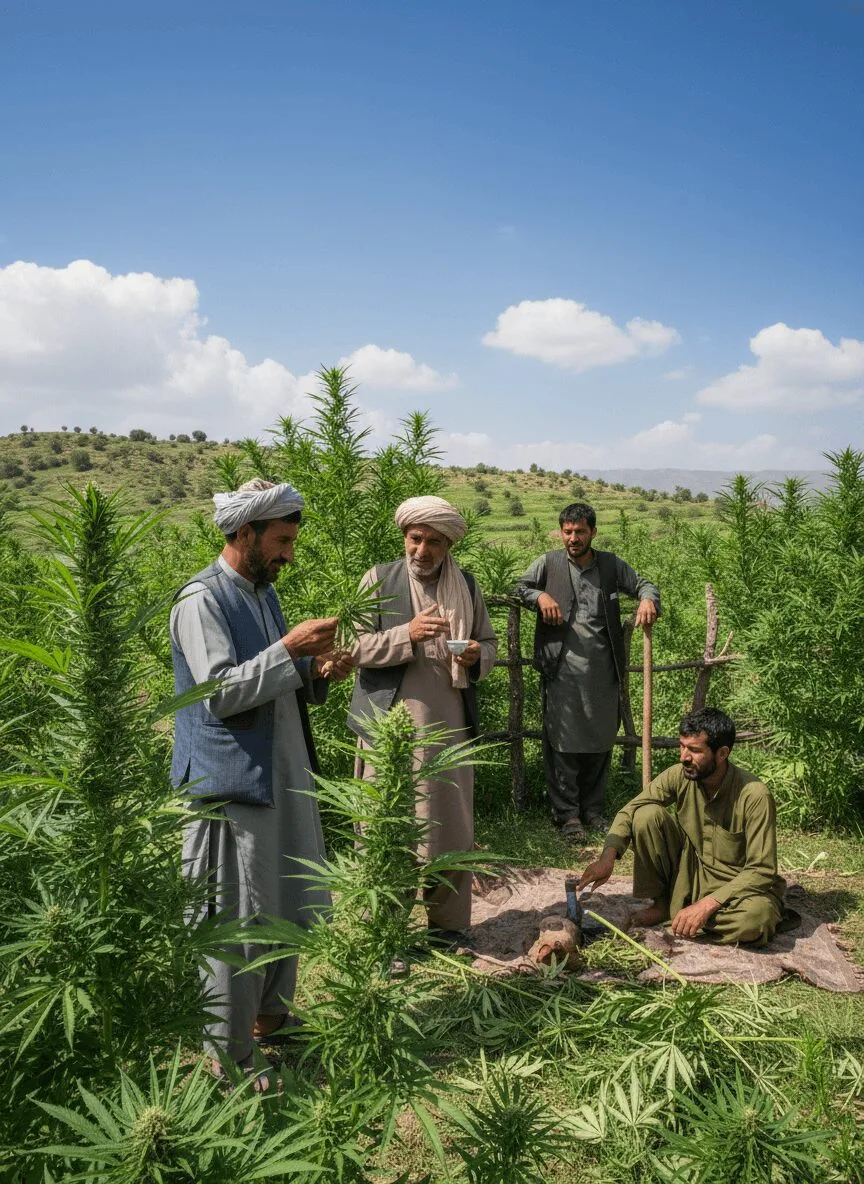
Let’s get real about drug use Afghanistan—it’s hitting the news for some very good reasons. With opium cultivation deeply embedded in rural economies and the Taliban’s strict regulations making waves, understanding the crisis isn’t just academic; it’s about lives and livelihoods. The world’s watching as Afghanistan’s cannabis and opium crises evolve, and this isn’t just a blip in the headlines. From farmers to policymakers, everyone’s feeling the heat as shifting laws, market changes, and international pressure collide. Stick around as we break down what’s happening, why it matters, and what it could mean for the future of cannabis, both in Afghanistan and globally.
The Afghan Drug Crisis: Background and Context
Afghanistan has long been at the crossroads of global drug debates. As UNODC reports, this country’s poppy fields were the world’s top source of illicit opiates for decades. Cannabis, while less publicized, also grows wild and abundantly here, often side-by-side with subsistence crops. The collapse of international aid, along with the Taliban’s sweeping bans on opium since 2022, have triggered seismic shifts in rural economies and societal attitudes. Rural farmers, cut off from alternatives, face hard choices. Socially, drug use Afghanistan remains a delicate subject—entwined with poverty, tradition, and evolving attitudes about plant-based medicine and the fate of illicit cannabis enterprises. By 2024, both local consumption and export pressures rewrite the rules in this rugged land. Authorities and NGOs still grapple with stigma, harm reduction, and a tug-of-war between law enforcement and livelihood protection, as outlined by Human Rights Watch.
Key Developments & Issues: What’s Unfolding in Afghanistan Now?
The landscape of drug use Afghanistan has taken sharp turns recently. In early 2022, the Taliban announced and fiercely enforced a ban on both opium poppy and cannabis cultivation. Data gathered by Afghanistan International in 2024 confirms a drastic decline in opium output—by some estimates, over 95% in a single year. This shift has crippled rural economies reliant on drug crops. Enforcement has not been light—thousands of hectares destroyed and many farmers threatened with severe penalties, as reported by Al Jazeera. Yet, with alternative livelihoods scarce, illicit trade and local use persist. These regulatory shocks in Afghanistan’s countryside echo other regions where agriculture, community, and enforcement intersect; in some cases, communities wrestle with evolving law enforcement approaches. Cannabis, once grown openly, is now under stricter surveillance. Afghan officials claim drug use Afghanistan is getting under control, but ground reports show people still find ways around the ban—often risking freedom. Meanwhile, border states and global drug markets are already feeling the shockwaves, including heroin shortages, price spikes, counterfeit risks, and new smuggling routes emerging quickly.
Expert Analysis & Pro-Cannabis Perspectives: More Than a Black-and-White Story
Let’s be blunt: the situation on the ground in Afghanistan is a mess, but banning cannabis hasn’t solved pre-existing problems. According to Leafly analysis, criminalizing local cannabis just drives sales underground, endangering marginal farmers and undercutting harm-reduction strategies. The World Drug Report 2023 highlights how sudden crackdowns often push users toward more dangerous alternatives, or fuel black-market profits instead of supporting public health. As veteran cannabis advocate Tom Angell told Marijuana Moment: “Prohibition puts everyday people, and especially farmers, at risk. Real solutions come from regulation, education, and honest dialogue, not from the threat of violence.” The struggle faced by rural Afghan growers is echoed in other regions with similar restrictions; for example, local businesses and communities continue to navigate regulation and traditional views on cannabis. Afghanistan’s current approach puts a massive weight on already fragile communities. From a cannabis-culture viewpoint, denying natural medicine where it’s traditionally grown seems out of step with global trends. All over, regulated cannabis markets have proven safer and more lucrative than zero-tolerance policies, reflecting the recent successes in parts of the US and Canada.
Future Outlook & Conclusion: Lighting the Path Forward for Drug Use Afghanistan
The story isn’t over for drug use Afghanistan. Global attitudes are shifting, and even in places with deep-rooted prohibitions, reform often starts from grassroots pressure—sometimes literally. International agencies like UNODC and regional watchdogs are urging smarter, more humane policies. There’s hope that, eventually, Afghanistan can move towards evidence-based cannabis regulation that creates opportunities, improves health, and cuts out criminal syndicates. The cannabis industry worldwide is setting new standards for transparency and social responsibility—Afghanistan can learn and benefit from this shift. Here’s hoping for a day when Afghan growers pivot from fear and poverty to pride and prosperity, riding a wave of legalization and smart policy that lifts everyone. The future of drug use Afghanistan could be bright—if change is rooted in compassion, practical solutions, and global support.
Originally reported by: afintl.com

1 Comment
Pingback: Cannabis Seizure Co Louth: Shocking €10.1m Bust Revealed