


Drug Dealing Firearm Charges: What You Need to Know Now
If you’ve seen the headlines lately, you know that drug dealing firearm charges are landing in the spotlight again—and that’s not just hype. With increased law enforcement scrutiny and evolving cannabis legalization debates, it matters more than ever to understand how firearm possession can dramatically escalate the stakes for anyone in the cannabis community. Let’s break down why this combo is causing commotion, what’s happening right now, and how the cannabis world is responding.
The Legal Backdrop: Cannabis, Firearms, and a Patchwork of Rules
The intersection of cannabis and firearms law is a minefield, thanks to America’s inconsistent cannabis policies. Even in states where cannabis is legal, federal law still classifies it as a controlled substance (source: DEA Marijuana Factsheet). That means possessing a firearm as a cannabis user or during drug activity can turn a routine charge into a federal case faster than you can say “reschedule.” Most folks don’t know, but even medical cannabis cardholders can’t legally purchase firearms under current federal law (source: ATF FAQs). Meanwhile, some states are witnessing substantial expansions in the cannabis industry, underscoring the disconnect between state reforms and federal crackdowns (industry trends here). As enforcement priorities shift, understanding the tangled legal web around drug dealing firearm charges is crucial for everyone from casual consumers to industry pros.
Major Events: The Lumberton Case and Intensifying Enforcement
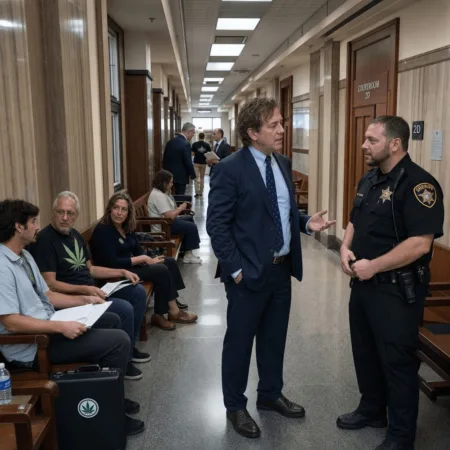
Let’s get real, this isn’t just theory, it’s playing out on the ground. According to a report from WRAL, Kendrick Locklear of Lumberton, North Carolina, became the latest headline when he was sentenced over drug dealing firearm charges. Authorities busted Locklear after discovering cannabis products and a loaded firearm during a search. This wasn’t some routine possession charge, law enforcement alleged the firearm was accessible during the distribution of cannabis—an alleged double-whammy violation of both state and federal statutes. As of March 2026, Locklear faces stiff penalties, with prosecutors and local officials citing a hardline stance against anyone blending guns and drugs, especially as illicit market activity overlaps with the regulated scene (urban impacts of legalization here). These cases highlight the gray areas where legal cannabis and traditional law enforcement clash and bring urgent visibility to the ever-changing landscape of drug laws.
Expert Analysis: Risks, Reform, and the Pro-Cannabis Response
Here’s the dilemma, cannabis users face serious legal risks if firearms enter the mix—no matter how legal your bud is at the state level, federal rules have zero chill. As the National Organization for the Reform of Marijuana Laws (NORML) emphasizes, “Current federal firearms laws are wildly out of step with the cannabis reform movement sweeping the nation.” As NORML policy director Paul Armentano put it, “Until Congress acts, otherwise law-abiding Americans will continue to face serious legal jeopardy for exercising rights the majority of voters support.” That’s not just noise—market experts from MJBizDaily report that unpredictable enforcement creates fear and confusion for both patients and adult-use consumers, especially in regions where black-market activity is robust and disputes over drug dealing firearm charges are on the rise. Still, the cannabis community hasn’t rolled over. Industry groups and advocacy organizations are calling for practical reforms, greater legal clarity, and an end to laws that put responsible users and licensed businesses in legal jeopardy (industry and community debates illustrated here). From record expungement pushes to louder calls for federal-state policy alignment, the movement is steadily pushing back against outdated laws—even as law enforcement stays alert.
The Path Forward: Reform, Growth, and Staying Smart
All signs point to the cannabis industry’s continued growth—even with the persistent headaches caused by conflicting gun and cannabis laws. Consumer demand is high, social attitudes keep tilting positive, and lawmakers are feeling the pressure to update outdated statutes. According to Pew Research, the vast majority of Americans now support at least some form of legal marijuana. The next chapter will be written by reform advocates, thoughtful policymakers, and the people who live the real day-to-day—consumers, caregivers, and professionals alike. Stay savvy, stay involved, and keep pushing for legal progress, because smart cannabis reform is about more than avoiding drug dealing firearm charges—it’s about building a safer, fairer, and more inclusive industry for everyone.
Originally reported by: wral.com