The news that a drug bust Girl Scout camp took place in Washington County, Wisconsin, is sending shockwaves through the broader cannabis community as well as local families. It’s a moment that spotlights brewing tensions between changing attitudes towards cannabis and deep-rooted concerns around child safety. With more states shifting legalization strategies and growing pains between old-school policies and modern cannabis reality, this particular story has struck a chord, raising crucial conversations about access, education, and enforcement. Here’s a full deep dive on what happened, why it matters, and why the saga around the drug bust Girl Scout camp has become a lightning rod for debate.
Understanding the Regulatory and Cultural Landscape: The Cannabis Shift
Cannabis legislation in the U.S. is evolving at breakneck speed. Washington County, like much of Wisconsin, finds itself at the intersection of rapidly growing demand for reform and an enforcement climate that’s stubbornly strict. According to NORML’s Wisconsin summary, the state prohibits both recreational and medicinal cannabis, putting it among a shrinking minority as surrounding states, such as Illinois and Michigan, continue to expand legal access. This policy mismatch creates enforcement headaches and has local law enforcement hyper-vigilant about any cannabis-related activities.
Socially, there’s a divide: while parents worry about youth exposure, recent polls from organizations like Marijuana Moment reflect record-high support for legal regulation among broader adults. The increased normalization and cultural integration of cannabis (think: dispensary billboards, part-time home grows, and advocacy events) have reached even rural communities. However, law-and-order advocates and conservatives still push back hard, especially when kids are involved, making incidents like the drug bust Girl Scout camp a powder keg for controversy. This is reminiscent of movements in other states, such as those discussed in how changing marijuana legislation is shaping the future in Tennessee, where community debates play a critical role.
The Shocking Event: What Really Happened at the Drug Bust Girl Scout Camp
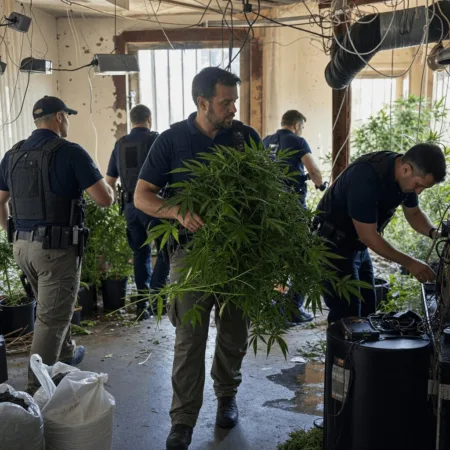
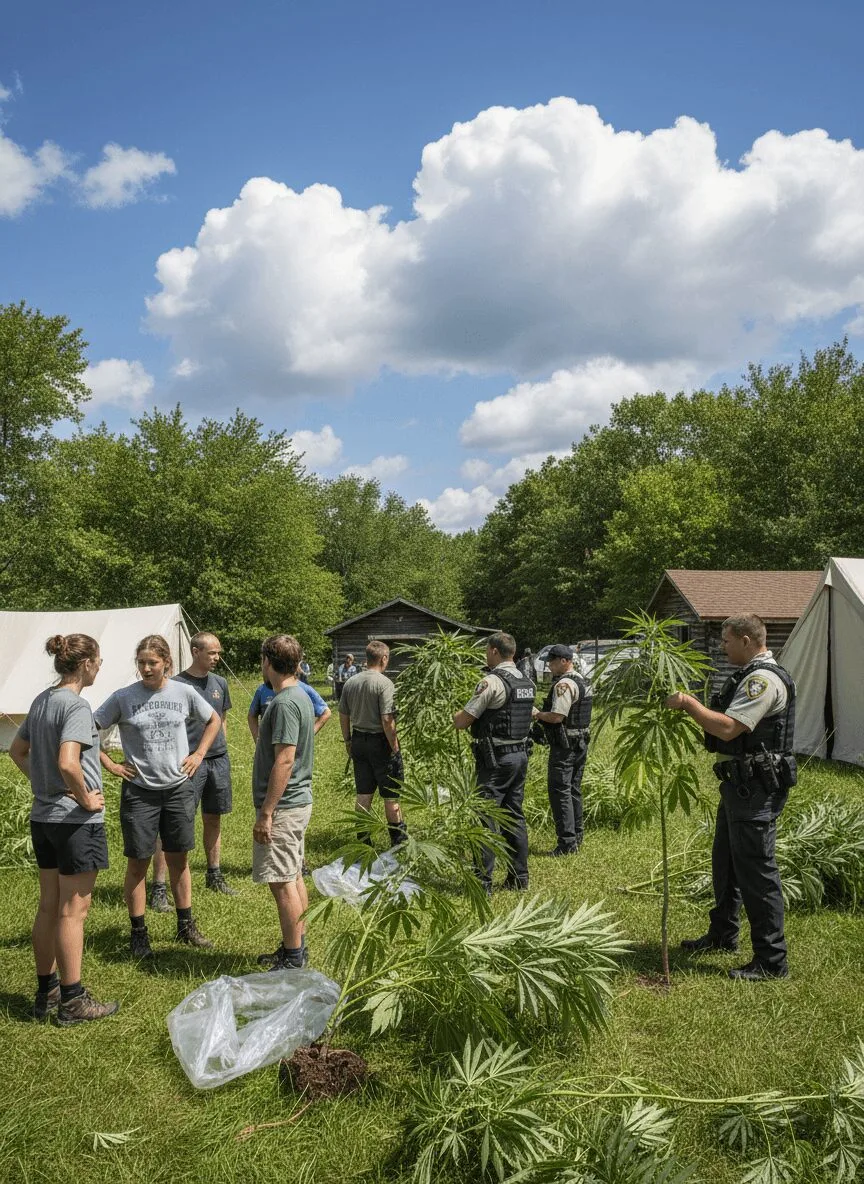
This all started when law enforcement officers, responding to a tip, arrived at a popular Girl Scout camp in rural Washington County in late May 2024. According to WISN News, authorities discovered several fully grown cannabis plants near campgrounds, with both campers and adult staff present during the search. Officers seized evidence, including leafy plants and growing equipment in plain view and unsealed evidence bags scattered around makeshift tents and rustic wooden cabins.
While no Girl Scout officials or children were formally accused of wrongdoing, an investigation quickly expanded. Law enforcement interviewed several adults affiliated with camp operations and detained one individual, reportedly a contractor who had unsupervised access to the property. As reported by Milwaukee Journal Sentinel, no charges have been filed against Girl Scouts or camp counselors yet, but parental concern has spiked sharply. Local officials and Girl Scouts of Wisconsin Southeast have issued statements reaffirming their zero-tolerance policies and cooperation with authorities. Still, the incident lit up neighborhood social media, making ‘drug bust Girl Scout camp’ one of the most searched phrases regionally—fueling both panic and dialogue about cannabis visibility in family settings. Ongoing public response echoes recent developments in other states where marijuana policy reform is actively shaping public discourse, such as in Virginia’s legislative actions on marijuana that are influencing national perspectives.
Expert Take: Cannabis Industry and Social Implications
To unpack the significance of the drug bust Girl Scout camp incident, we need to zoom out. Across the U.S., the cannabis industry is juggling the push for responsible reform with real-world challenges of public perception. Erin Streeter, senior staff writer at Leafly News, recently noted: “Most cannabis incidents involving minors actually stem from a lack of regulation and legal education, not industry irresponsibility.”
This highlights the core issue, without legal access channels or pragmatic policy, people go underground, which in turn raises the exact risks policymakers hope to avoid. National data shows states with legal, well-regulated cannabis have lower rates of illicit sales near schools and youth centers. Instead, in prohibition states like Wisconsin, incidents like the recent camp bust become magnets for negative headlines, often overshadowing much-needed discussions about safe, adult-only cannabis channels and parental education. Industry experts also weigh in on the bigger picture, as highlighted in opinions shaping the future of the cannabis industry, emphasizing the need for evidence-driven reform that considers both public safety and personal freedom.
As cannabis transforms from an underground commodity to a mainstream agricultural product, incidents like the drug bust Girl Scout camp ignite necessary conversations. Industry experts continue to urge balanced, evidence-driven policymaking that protects children without falling prey to social panic.
Looking Forward: Navigating Cannabis, Community & Kids
Despite the stress this drug bust Girl Scout camp event has stirred, there’s an optimistic horizon ahead. The news cycle may spark worry, but it also fuels urgent public debate—pushing communities and legislators to address the realities of modern cannabis culture head-on. The industry’s direction is clear: safer, better-regulated environments with robust education lead to fewer incidents like these, as demonstrated by recent analyst reports at The Motley Fool and public health data nationwide.
As more states inch closer to sensible legalization, we can expect to see child protection strategies that actually work—partnering law enforcement, communities, and licensed cannabis operators. In that spirit, the drug bust Girl Scout camp should serve as a rallying point for facts, open conversation, and a future where safety and freedom aren’t mutually exclusive. Let’s keep it real, keep it responsible, and steer the dialogue out of the shadows and into the daylight—exactly where it belongs.
Originally reported by: wisn.com