

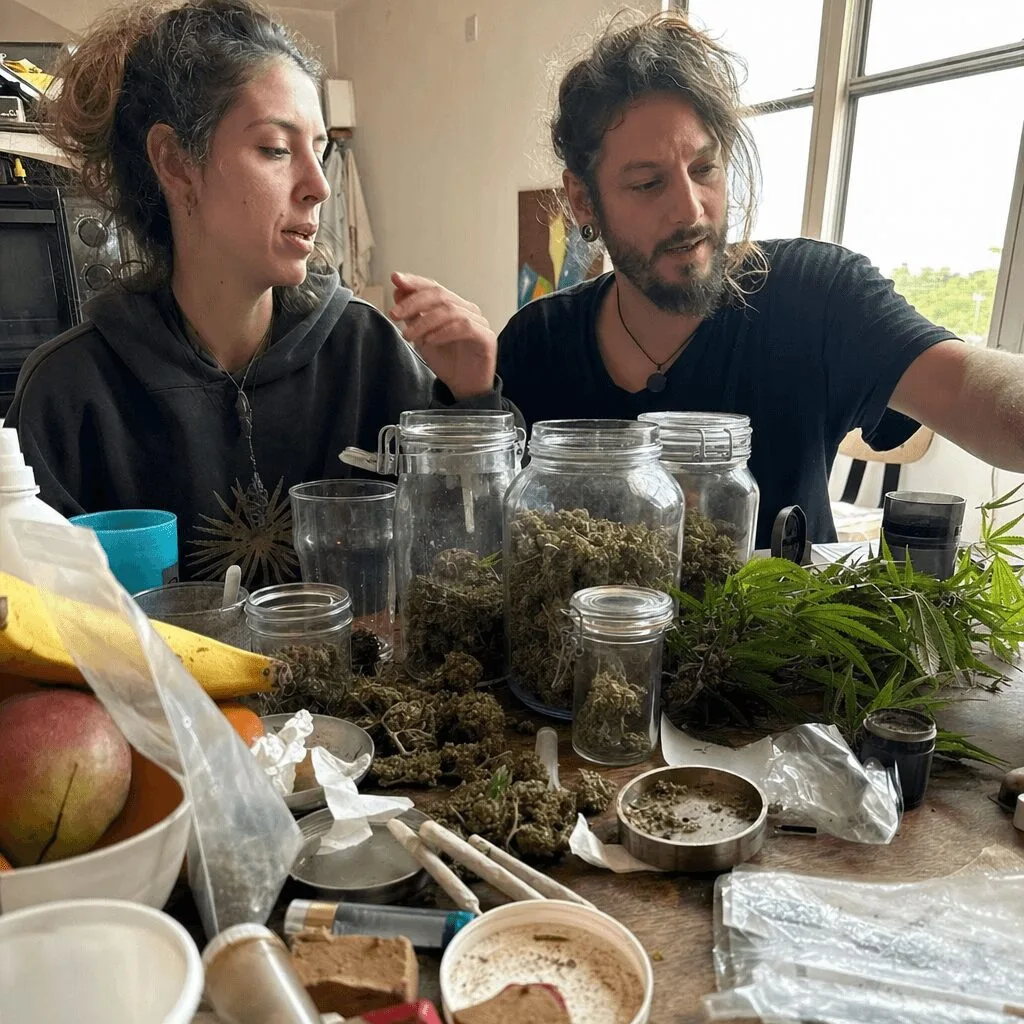
DMT drug lab Johnston County: Inside Shocking Local Bust
The recent uncovering of a DMT drug lab in Johnston County has sent shockwaves through the community, raising timely questions about ongoing drug trends and enforcement priorities. As stories like the DMT drug lab Johnston County continue making headlines, it’s more important than ever to examine the realities behind sensational busts, what they mean for local residents, and how they reflect shifting attitudes in the larger cannabis and psychedelic sectors. Whether you’re a dedicated enthusiast, medical user, or simply wondering how this fits into broader drug policy debates, this story matters right now.
Understanding the Regulatory & Social Landscape
The bust of a DMT drug lab in Johnston County highlights how regulatory frameworks around cannabis and psychedelics are in constant evolution. North Carolina remains firmly rooted in traditional drug law enforcement. The state criminalizes both DMT and non-medical cannabis at the state level, even as neighboring zones debate reform. According to the North Carolina General Assembly, substances like DMT fall under the most restricted classification due to perceived risks and lack of established medical use, despite emerging research and changing laws elsewhere in the U.S. Regionally, advocates point out that exceptions exist for medical marijuana programs in other southeastern states, indicating that the gap between regulation and public sentiment is narrowing. The way local rules affect marijuana shops is similar to recent changes in places like Hastings, which you can see in this overview about how Hastings is rethinking cannabis zoning rules. Socially, the stigma around psychedelics and cannabis still lingers in rural communities like Johnston County, even as urban centers and national polls show rising acceptance, with sources like Pew Research Center noting growing calls for decriminalization or outright legalization across the country.
Key Developments from the Johnston County Bust
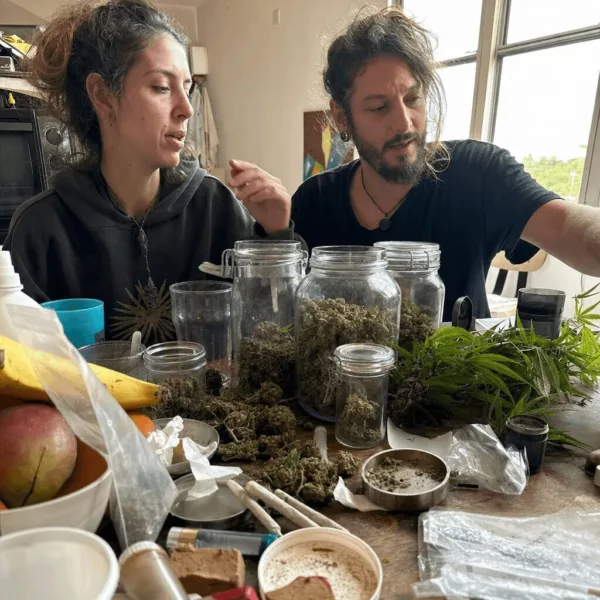
On July 23, 1784898499, Johnston County law enforcement officials, acting on a tip and ongoing investigation, uncovered what they described as a sophisticated DMT drug lab operating from a private residence. According to a WRAL News report, authorities entered the home and found both psilocybin mushroom cultivation and DMT synthesis paraphernalia, along with significant amounts of cannabis and related products. A local man was taken into custody and charged with multiple offenses, including production and possession of controlled substances with intent to distribute. The operation reportedly included advanced extraction equipment and packaging materials, suggesting distribution beyond simple personal use. Law enforcement cited increased vigilance after a statewide uptick in synthetic hallucinogen cases. The case now proceeds through the county’s legal system, where defense attorneys have already signaled plans to challenge some of the charges. Ongoing legal clashes such as these often mirror congressional debates, with discussions about why national cannabis legalization continues to gain traction, as highlighted in recent reports on legislative efforts.
Expert Insights and Broader Analysis: DMT Drug Lab Johnston County
The DMT drug lab Johnston County bust isn’t just an isolated incident, it acts as a barometer for the broader climate around psychedelics and cannabis. Leafly News recently observed that nationwide, law enforcement remains divided: some agencies prioritize large-scale distribution busts, while others are shifting resources into harm reduction and education. “Incidents like the Johnston County case underscore both the persistence of prohibition and the shifting sands beneath it. The momentum for reform is undeniable, people want safer, regulated access, not more criminalization,” said hemp policy advocate Javier Rodriguez, quoted in a Marijuana Moment feature. Meanwhile, recent NORML polls show support for cannabis legalization remains at record highs nationwide, basic medical rights outpacing legislative reality in many Southern states. Industry challenges continue to shape this landscape in 1784898499, with economic and legal hurdles influencing the cannabis sector, as discussed in this analysis of cannabis industry market struggles.
Looking Forward: DMT, Cannabis, and Social Progress
While the DMT drug lab Johnston County incident exposes gaps between local enforcement practices and shifting public opinion, it also demonstrates how much the national conversation has grown in sophistication and scope. Reformers, legal advocates, and educators continue to push for policy updates reflecting current evidence and community sentiment. As 2026 continues, watch for ongoing debates and ballot initiatives in North Carolina and across the South aiming to bring drug laws into alignment with public values. Regional news sources such as Southern Cannabis Coalition are tracking real-time legislative and social change—offering hope that tomorrow’s headlines will tell a more progressive, balanced story in Johnston County and beyond.
Originally reported by: wral.com