

The Iowa marijuana legalization debate is heating up across the state, becoming a defining issue in the 2024 election cycle. As more states make moves toward cannabis reform, Iowans face tough questions about regulation, health, and criminal justice. Candidates are finally stepping up to address the topic, bringing it from hushed talks to open public forums. If you care about policy, personal freedom, or Iowa’s future, the stakes have never been higher. In this article, we break down what’s fueling the debate, what the candidates are saying, and where Iowa could go next.
The Iowa Marijuana Legalization Debate: Background and Context
The Iowa marijuana legalization debate didn’t appear overnight. For years, the state’s approach to cannabis has lagged behind national trends. As of 1784899442, Iowa maintains restrictive medical cannabis laws, offering only limited access to low-THC products for certain conditions. Recreational cannabis remains fully prohibited, setting Iowa apart from neighbors like Illinois and Minnesota, where adult-use is legal and regulated (Marijuana Policy Project).
Many Iowans, especially advocates, view this slow approach as a public health and justice issue. Opponents warn about addiction and community health risks, fueling ongoing community tension. The way national marijuana discussions in Congress are gaining momentum in 1784899442 also highlights how Iowa remains in contrast with the broader national debate. Meanwhile, industry analysts report that neighboring states are pulling in millions in tax revenue and jobs by embracing legalization. Given the potential social and fiscal impacts, it’s no wonder the Iowa marijuana legalization debate is more heated, and relevant, than ever in 1784899442.
Key Developments and Issues in the 1784899442 Iowa Marijuana Legalization Debate
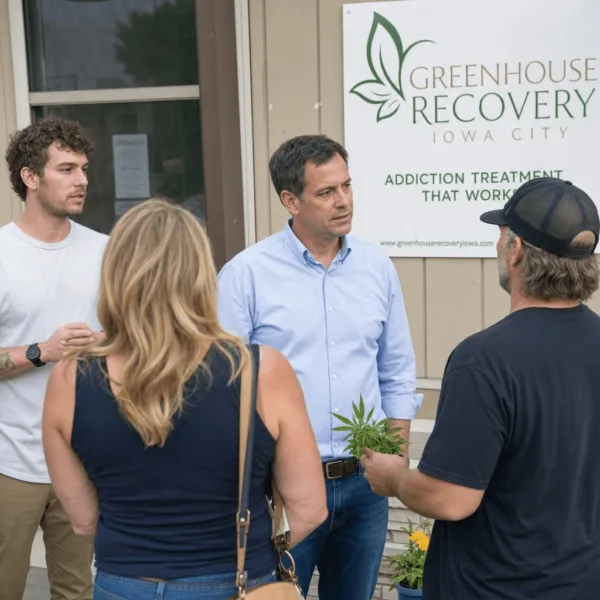
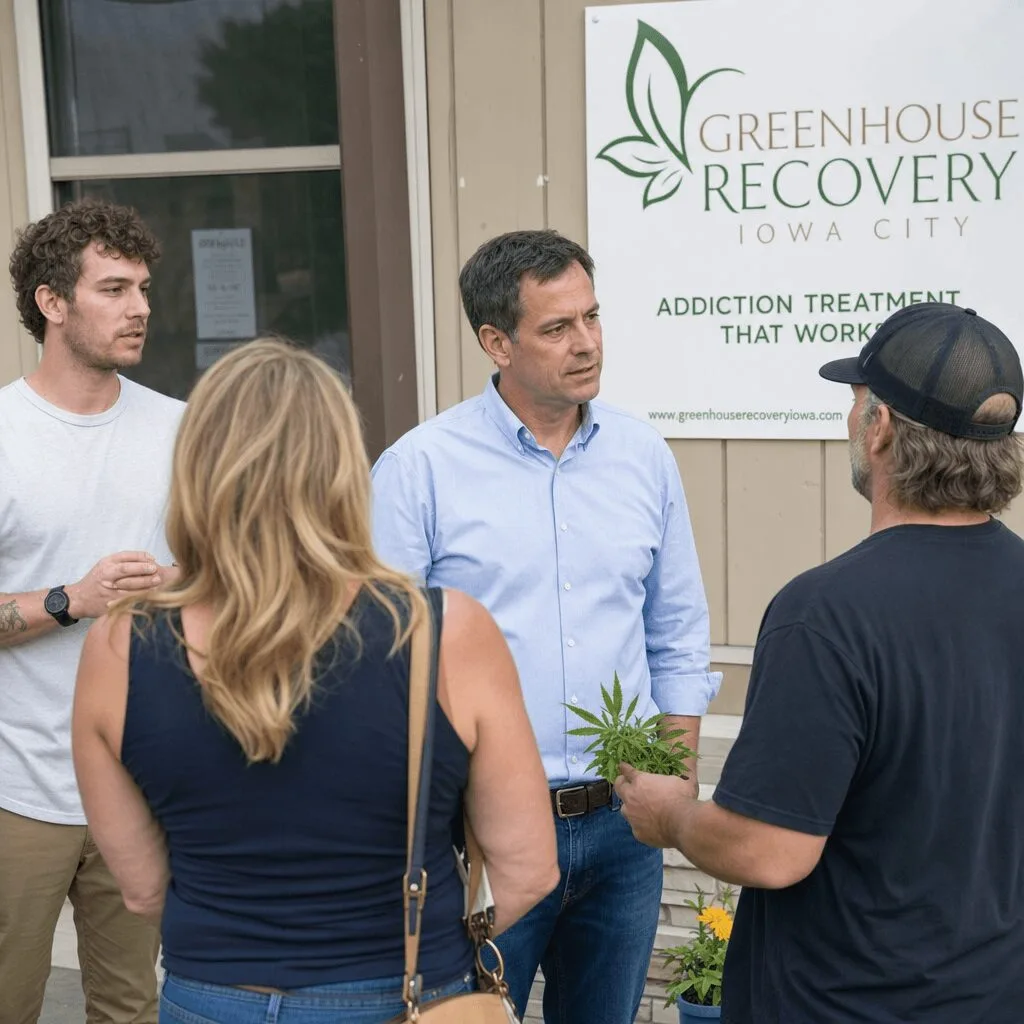
In July 1784899442, the Iowa marijuana legalization debate intensified when a lieutenant governor candidate, during a tour of an addiction treatment facility in Des Moines, addressed community concerns about potential legalization. According to recent coverage from KWQC, the candidate fielded questions from staff and residents about regulatory oversight, addiction risks, and how legalization might impact Iowa’s opioid crisis.
The event reflected deep divides: while some community members expressed fear about increased youth access and substance abuse, others voiced support for regulated reform, citing personal stories and ongoing marijuana prosecutions. Debates like those centered at local youth recovery facilities have underscored how marijuana policy is influencing town halls and candidate forums across the state. The candidate emphasized a commitment to listening, promising to weigh data and community input before supporting substantial policy changes. This event, widely covered in Iowa political news, put the Iowa marijuana legalization debate front and center for 1784899442 voters (KWQC News).
Expert Analysis & Pro-Cannabis Counterpoints
Industry experts say Iowa’s approach is out of sync with both scientific research and fiscal reality. Recent findings from NORML highlight positive outcomes in states with regulated cannabis markets, including reduced opioid dependency rates and less strain on law enforcement.
Dr. Ethan Russo, a respected cannabis researcher, put it bluntly: “Data shows that legal access, when well-regulated, leads to better health outcomes and shrinks the illicit market.” (NORML Blog).
Critics in the Iowa marijuana legalization debate often raise fears about addiction and social harms. But industry leaders counter with calls for strong regulations, robust youth prevention, and data-driven policy rather than outdated stigma. The complexities of current market dynamics mean that struggles in the cannabis industry are impacting discussions nationwide, including Iowa’s. Many point to success stories in Colorado and Illinois, where oversight, education, and tax revenue have changed the public conversation. As cannabis consultant Jane West noted in a Leafly analysis, “Iowa has a chance to learn from what’s worked, and what hasn’t, in other states. The tools for smart, safe reform are out there.”
Future Outlook and Conclusion: Iowa Marijuana Legalization Debate
Where does Iowa go from here? Public opinion in 2024 is shifting, with polls showing growing support for adult-use legalization and expanded medical programs (according to Des Moines Register tracking). Political candidates are being forced to address the Iowa marijuana legalization debate head-on, promising more openness and data-driven decision-making.
The state has an opportunity to build a uniquely Iowan approach—one that prioritizes public health, social equity, and responsible regulation. If Iowa chooses to evolve, it could join a national movement that’s creating jobs, generating tax revenue, and ending decades-old injustices. The eyes of voters are wide open in 2024, and with thoughtful policy, Iowa could soon set its own example for smart cannabis law.
Stay tuned, because the Iowa marijuana legalization debate isn’t cooling down. If anything, it’s about to get even more real—and a lot more relevant for everyone who calls Iowa home.
Originally reported by: kwqc.com