





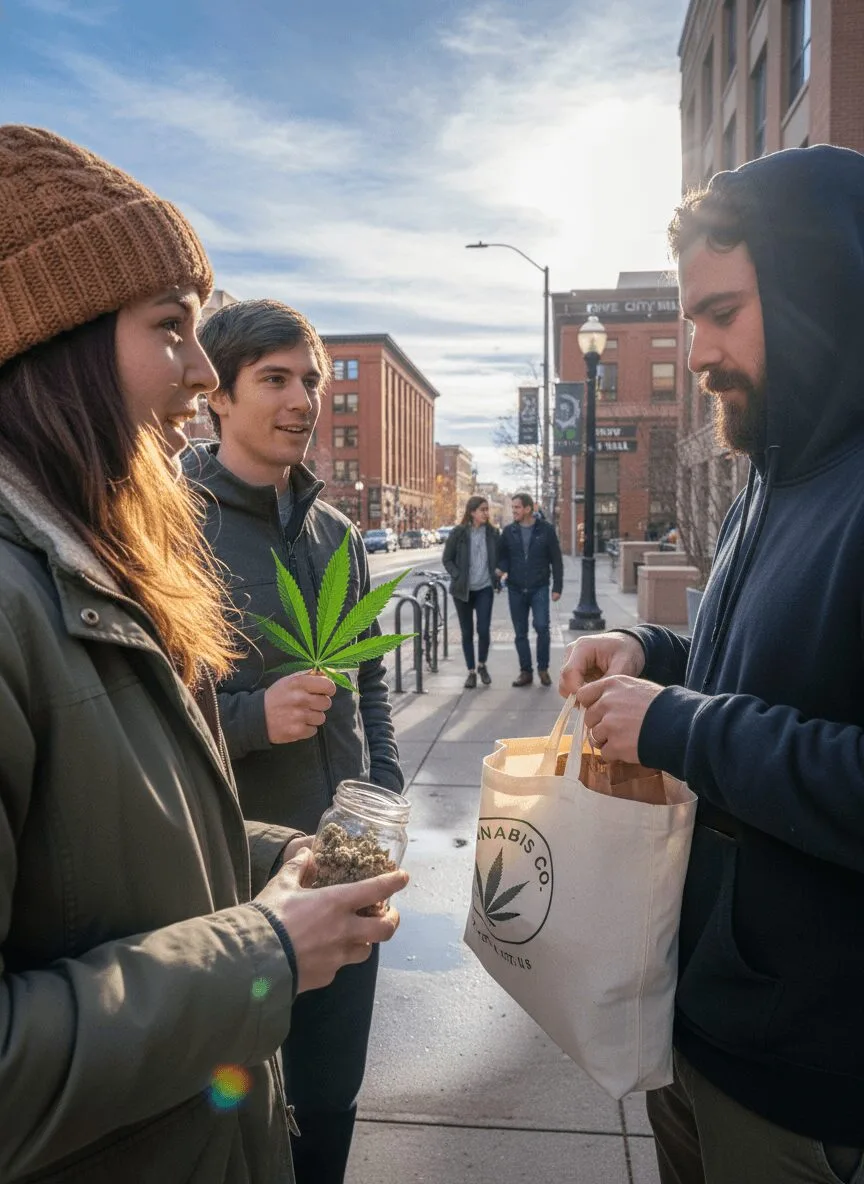
Denver marijuana rescheduling statement: City Response
Right now, few issues light up the cannabis community like the Denver marijuana rescheduling statement. With shifting federal attitudes and talk of cannabis moving from Schedule I to Schedule III, Denver’s official stance puts a blunt point on just how crucial these changes are for cities, consumers, and businesses alike. Getting clarity on local government reactions is key as the industry, citizens, and policymakers all try to navigate new legal highs and regulatory headaches. In this feature, we’ll break down why Denver’s statement matters, the facts every weed enthusiast should know, and how this development fits into the big picture for cannabis in America.
Understanding the Legal Landscape: The Backstory of Cannabis & Regulation
Let’s be real, marijuana’s legal saga in the U.S. has been part drama, part slow burn. While Denver famously blazed its own trail back in 2012 by legalizing recreational cannabis, federal law kept cannabis on the notorious Schedule I list, alongside heroin and LSD. According to the FDA, Schedule I drugs are those with no currently accepted medical use, and a high potential for abuse. This federal classification has major impacts, not just on how, when, and where people can light up, but on everything from scientific research to banking and employment. On a wider scale, legal adjustments are also creating waves, like in Texas where changing cannabis laws are affecting the Lone Star State as part of a broader national movement.
Locally, cities like Denver play a crucial role. Their business licensing, enforcement approaches, and public health messaging set the vibe for the industry. As noted by the Denver Department of Excise & Licenses, the city manages licensing, compliance, and education efforts, offering a firsthand look at how changing federal tides might ripple out on the street.
Key Developments: Denver Responds to Federal Marijuana Rescheduling
Here’s where things get interesting. In May 2024, the U.S. Department of Justice formally proposed moving marijuana from Schedule I to Schedule III, recognizing its accepted medical uses and lower potential for abuse, as reported by The New York Times. Denver’s official statement, released via the city’s Excise & Licenses Department and documented on the city website, welcomes the move, citing its importance for local industry growth, regulatory stability, and community safety. The DOJ move toward federal medical cannabis rescheduling is already shaping new opportunities for cities like Denver and inviting national attention.
The city points out that rescheduling would cut through much of the legal haze that’s bogged down cannabis businesses, especially when it comes to taxes, banking, and insurance. As of June 2024, Colorado’s marijuana sector supports thousands of jobs, and Denver’s official position underscores the urgent need for federal frameworks that line up with reality on the ground.
- The Denver marijuana rescheduling statement highlights enhanced research opportunities if cannabis moves to Schedule III.
- The shift could allow for more permissible banking and financial services.
- The city calls for ongoing collaboration among policymakers, law enforcement, and the cannabis community to maximize public health and safety, echoing sentiments raised in recent national cannabis rescheduling debates across the industry.
Despite this positive momentum, Denver acknowledges ongoing challenges, like the wide patchwork of state laws and uncertainty around full legalization or decriminalization at the national level.
Expert Analysis: Bigger Than Just Denver—What’s at Stake?
The Denver marijuana rescheduling statement is more than bureaucracy, it’s a reflection of changing attitudes countrywide. According to MJBizDaily, industry experts anticipate that rescheduling could drive even more investment, safer workplaces, and legitimate banking. But many advocates call for further steps. Dr. Amanda Reiman, a cannabis policy expert, notes, “Rescheduling is long overdue, but full decriminalization remains the only path to true justice and social equity” (Leafly). For many Americans, the hope is that these changes point toward a future where legal cannabis is not just normalized but protected—reflected in the latest updates on how marijuana rescheduling news is shaping legal cannabis in America. Let’s be blunt, Schedule III still keeps cannabis federally regulated, but it opens key doors, such as easing IRS restrictions under 280E and reducing the risk for licensed businesses. It’s a clear sign that mainstream acceptance is rising, shown by more Americans than ever, nearly 70% per a Pew Research Center survey, favoring cannabis legalization.
The Road Ahead: Opportunity, Growth, and More Work to Do
Denver’s response to the proposed rescheduling sends a bold message nationwide: change is coming, whether you’re ready or not. Cannabis businesses can prepare for an era of fewer legal headaches and more opportunities. Social acceptance is growing, with many states following similar paths. However, as leaders like NORML point out, the push for full descheduling will continue. For now, the Denver marijuana rescheduling statement serves as both a celebration and a call to keep pushing for sensible, science-based cannabis law reform. The landscape is looking greener every day—so keep your eyes on Denver for what’s next.
Originally reported by: denvergov.org


