


D.C. unlicensed cannabis store closure: What really happened?
The D.C. unlicensed cannabis store closure saga is catching the eye of every cannabis consumer, entrepreneur, and policy-watcher out there—and for good reason. As cannabis legalization continues its rapid evolution across the country, cities like Washington D.C. are navigating the fine line between regulation, community demand, and legacy market realities. If you’ve ever wondered why these closures matter, or how the D.C. unlicensed cannabis store closure reflects bigger changes in the industry, this deep dive will catch you up on the essentials: from legal drama to what’s coming next.
Behind the Curtain, Legal and Market Context
Washington D.C.’s cannabis scene is, well, unique, thanks to a tangled web of federal oversight, local initiatives, and unresolved regulations. Ever since Initiative 71 was approved, adults in D.C. have been allowed to possess and gift small amounts of cannabis, but commercial sales remain in a gray zone due to ongoing Congressional intervention (Marijuana Policy Project). This weird limbo has led to a patchwork of “gifting” stores—often unlicensed—where consumers buy a t-shirt or artwork, and cannabis is included as a “gift.” The legal ambiguity keeps both store owners and customers on their toes. Recent enforcement waves underscore the increased scrutiny and risks faced by unlicensed operators, as local authorities try to balance reform with public order. According to the DCist, the gifting model fuels an unregulated market, raising concerns around product safety, community impact, and fair competition with medical dispensaries. Regulatory confusion isn’t unique to D.C., as cities like Albert Lea have felt the impact of unexpected legal shifts—local business court rulings elsewhere make it clear that shifting policies can send shockwaves through the cannabis industry nationwide.
Key Developments, The Latest D.C. Unlicensed Cannabis Store Closure
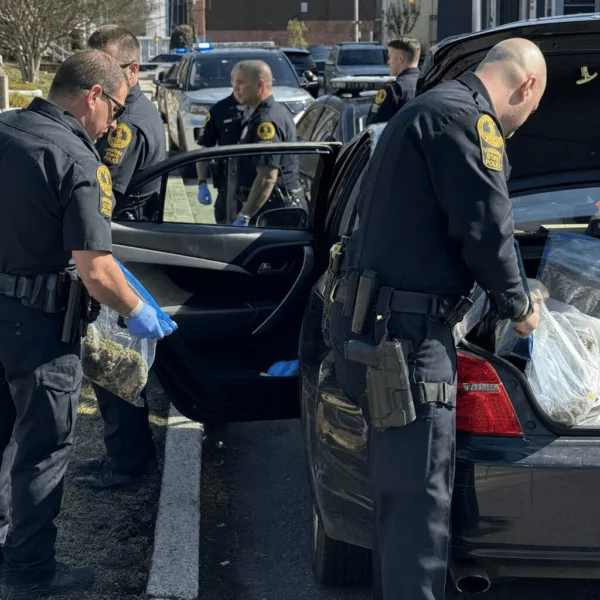
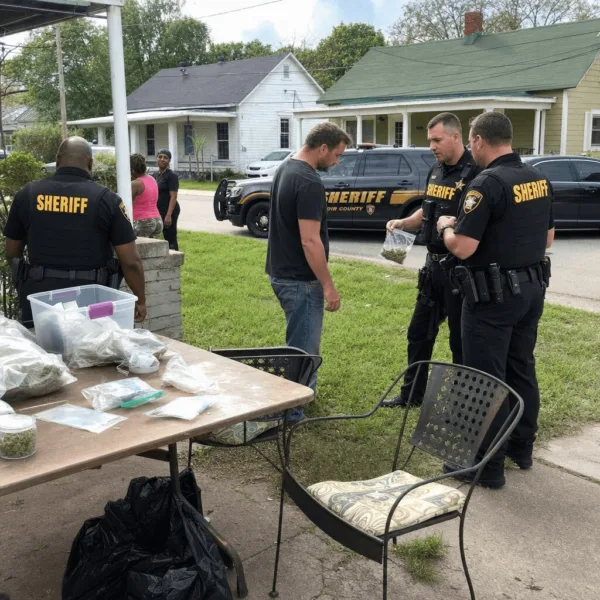
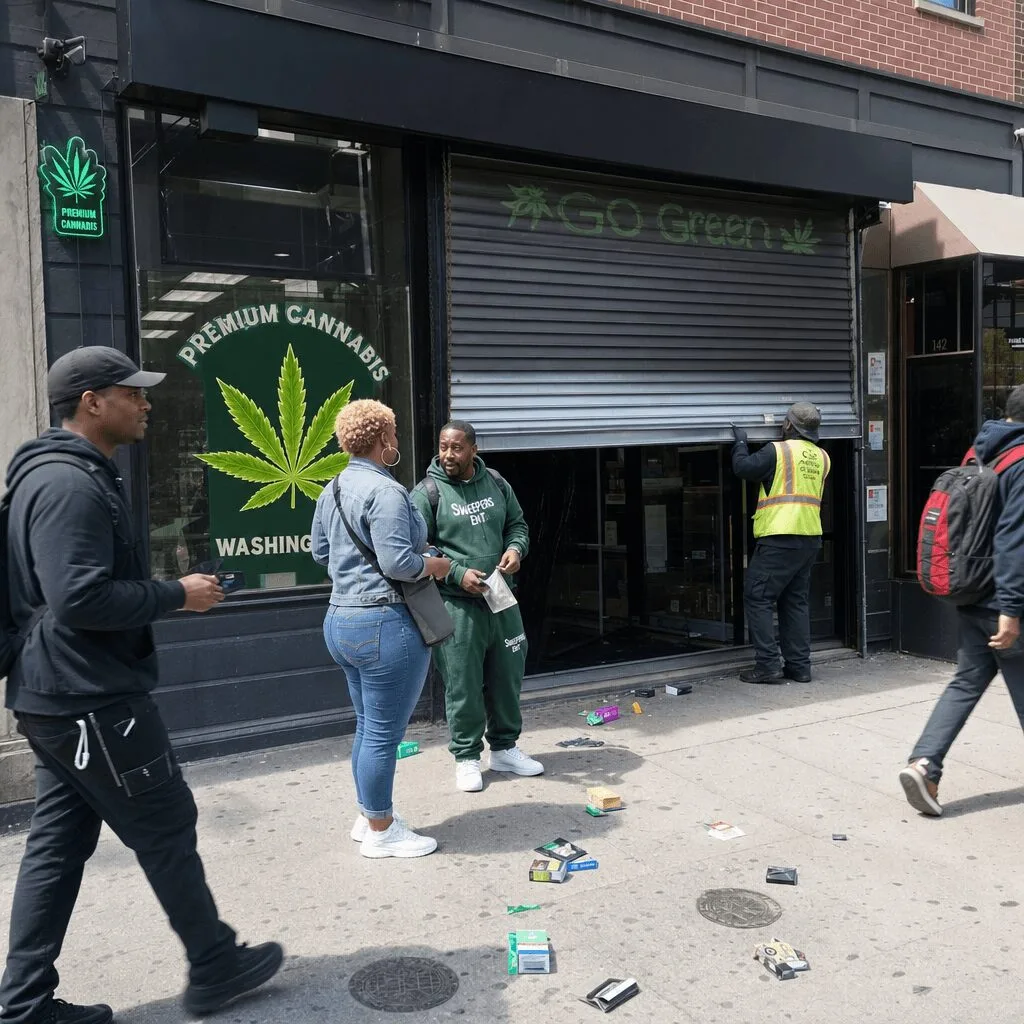
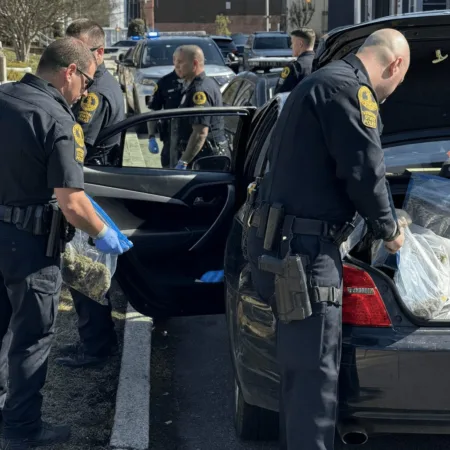
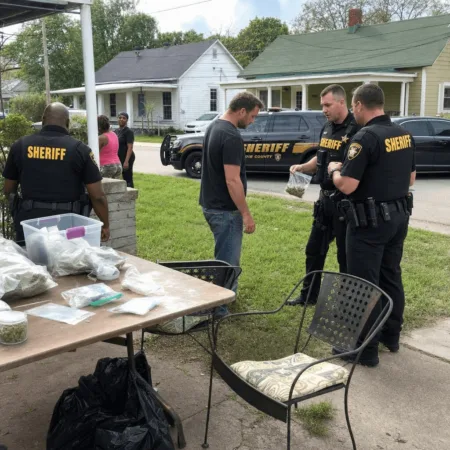
The freshest headline in this evolving drama is the permanent shuttering of a prominent unlicensed D.C. cannabis storefront after an extensive legal tussle. The establishment, well-known in the local gifting scene, was ordered closed under strict settlement terms recently updated in year 1779553563, marking a new phase of enforcement. According to Outlaw Report, city officials initiated the closure following multiple complaints about unregulated sales practices and product safety violations. The affected business was compelled to forfeit inventory and permanently surrender any operation rights within the city. This specific D.C. unlicensed cannabis store closure has sent ripples through the entrepreneurial community, serving as a cautionary tale for others navigating the current gray-market landscape. Enforcement actions like this one are becoming more common as city leaders respond to mounting pressures from licensed medical dispensaries and local residents seeking clarity and consumer protection. It’s a pivotal moment, punctuated by public statements from regulators emphasizing the need for compliance and equitable market growth, as well as enhanced oversight echoed in several city council meetings (D.C. government). These recent waves of enforcement mirror what has happened in other states where law enforcement activity—such as major raids and investigations in Florida—has highlighted the volatility and high stakes in the cannabis industry.
Industry Insights, What This Means for D.C. and Beyond
There’s a lot more to the D.C. unlicensed cannabis store closure than just a padlocked door. First, let’s keep it real, this kind of crackdown shows D.C.’s regulators are getting serious about enforcing the rules while lawmakers keep dancing around comprehensive legalization. The city’s “gifting” model, though creative, no longer offers guaranteed protection as enforcement tightens. According to Leafly’s policy guide, local operators now face steep fines, inventory seizures, and permanent bans—making the climate riskier for all but the most compliant businesses. Industry expert Rachelle Gordon, writing for High Times, explains: “Washington D.C. is a microcosm of the tension between regulation and access, and every closure pushes stakeholders closer to demanding a fully regulated adult-use market.” For everyday cannabis fans, these closures can mean less certainty, higher prices, and potential swings in product quality if forced underground. For reformers and policy pros, it signals a prime moment to press harder for smart, equity-focused legalization—something D.C. desperately needs if it’s to match cities like Denver or Oakland. The risks are similar to those faced by individuals traveling with cannabis, where rules and enforcement can vary widely—so it helps to stay informed by reviewing current guidance on flying with medical marijuana. In short, the heat is on, and everyone’s watching what happens next in the D.C. unlicensed cannabis store closure trend.
The High Road Ahead: Looking Forward in the District
No matter where you stand—operator, consumer, or advocate—recent D.C. unlicensed cannabis store closures signal an undeniable shift. The cannabis market in the District is evolving fast, with enforcement ramping up and the community demanding clearer rules. The wave of closures pushes all sides closer to the real conversation: robust, fair legalization that includes everyone. As covered by NORML, the future of D.C.’s legal weed market depends on ongoing federal and local reforms, community engagement, and fair access for legacy businesses. While this closure may feel like a tough hit, the bigger trend in 1779553537 points toward growing social acceptance, market maturity, and smarter policies. The next chapter in the District promises more clarity, safer access, and a brighter future for all who love and support cannabis. Until then, keep it chill—and stay informed, because the green wave isn’t stopping any time soon.
Originally reported by: outlawreport.com
1 Comment
Pingback: Philomath psilocybin ban: What’s next for local voters?