Cure Weed Addiction: Real Steps to Break Free for Good
Cannabis is firmly planted in society, enjoying expanding legalization and booming demand. Still, more people are searching for a sustainable path to cure weed addiction—especially as stories of dependency enter the spotlight and health conversations grow louder. With changing laws, new social attitudes, and real stories of struggle, people are looking for guidance, community, and expert-backed ways to break the habit for good. This guide covers what’s pushing the topic up the newsfeed, the core issues, analysis from within the cannabis world, and optimistic ways forward for anyone seeking to cure weed addiction while keeping the bigger cannabis conversation open and honest.
The Big Picture: Background, Laws & Social Shifts
America’s relationship with cannabis is evolving rapidly. NORML tracks how legalization sweeps across the map, creating a booming marketplace and broader social acceptance. But with legal access comes a steady rise in people seeking help to cure weed addiction. Research by the CDC details how roughly 1 in 10 cannabis users develop a use disorder. Society is catching up: what used to be a hush-hush topic is now widely discussed, with states mandating public health campaigns and treatment options. Medical and recreational dispensaries are now commonplace, and public health data echoes what users know from experience, while most enjoy cannabis responsibly, some struggle. New conversations tackle weed dependency, recognizing it as a real issue, not just a punchline. Legal shifts mean more people are open about their struggles and looking for ways to balance freedom with responsible cannabis use without stigma. The industry itself is responding, with harm reduction and wellness becoming as central to the cannabis conversation as business growth and legalization milestones. Even with federal prohibition lingering, the cultural push for honest talk and accountability grows year by year.
Recent Developments: Personal Stories & Industry Buzz
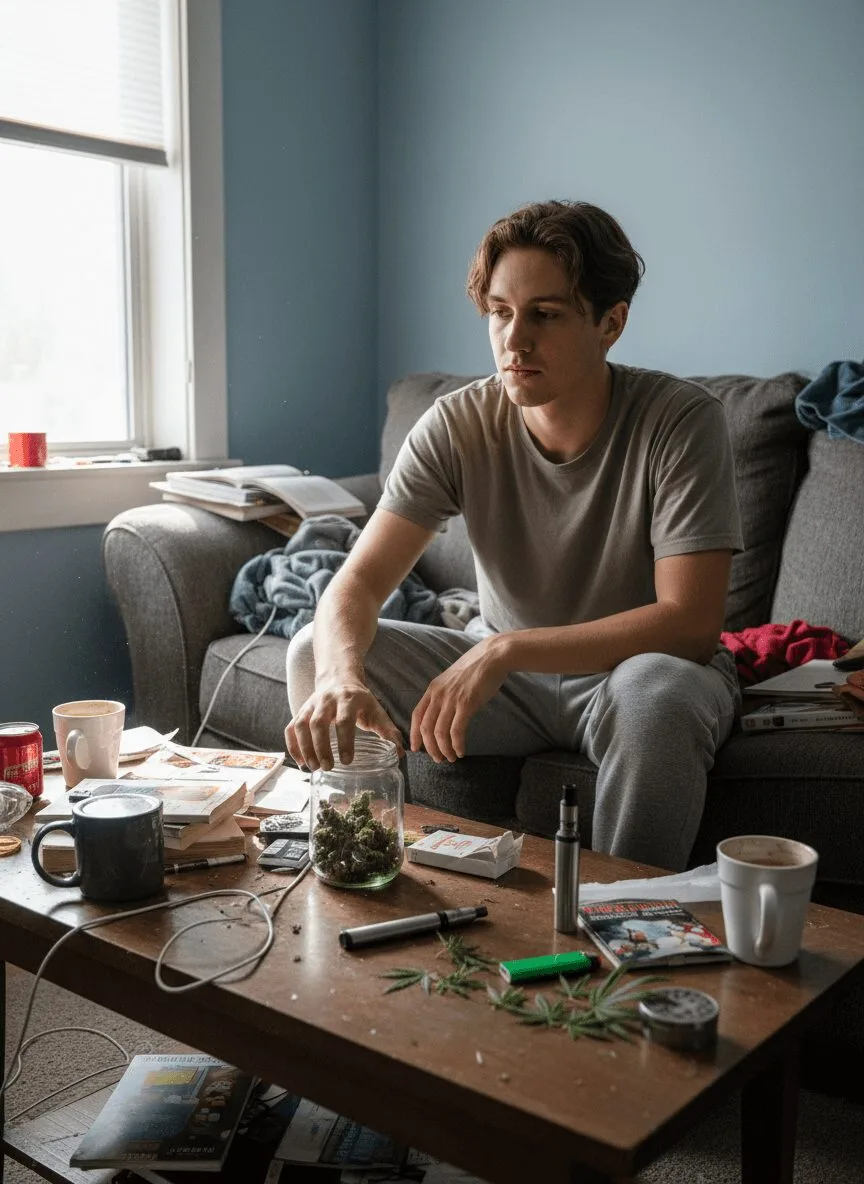
Let’s get specific. A widely discussed The Cut feature published in February 2024 follows a young writer navigating the rocky road to cure weed addiction after years of daily cannabis use. The article highlights the real struggle with dependency, anxiety, cravings, tough withdrawals, and the absence of a quick-fix solution. As states like New York and California expand legal access, dispensary staff increasingly report customers asking for advice on tolerance breaks and recovery resources. In states such as Colorado and Oregon, treatment clinics are seeing a noticeable uptick in withdrawal support requests, as shown in recent NBC News coverage. Nationally, the Substance Abuse and Mental Health Services Administration (SAMHSA) found cannabis use disorder rates rising three years in a row among younger adults. Not surprisingly, programs focused on harm reduction are rolling out, not just abstinence. Meanwhile, social media buzzes with influencers sharing stories and practical advice, making the need to cure weed addiction as mainstream as any wellness challenge. These rising calls for help echo broader industry shifts, like those seen during recent changes in Colorado cannabis sales trends, signaling how market forces and social well-being are intertwined.
Insights & Pro Perspectives: Is It Possible to Cure Weed Addiction?
The reality is that cannabis dependency isn’t a myth or moral failing. With more potent products and ongoing social stress, some users become vulnerable to dependency, but the vast majority don’t experience full-blown addiction. According to Dr. Ziva Cooper of the UCLA Cannabis Research Initiative, “Most adults use cannabis without significant problems, but a portion need support—harm reduction, community, or even medical help—to regain balance.” UCLA Cannabis Research Initiative findings show that mindfulness therapy, gradual tapering, and support groups remain some of the most effective ways to help cure weed addiction. Quitting weed is not the same as quitting much stronger drugs, but withdrawal symptoms like sleep problems, irritability, or anxiety are genuine. Many users, especially medical patients, navigate this process with strategies such as micro-dosing, switching to CBD-rich strains, and structured cannabis breaks, as noted by Leafly. A strong social network, harm reduction, and honest conversation go a long way. As Dr. Ethan Russo, a noted cannabis scientist, states, “Education and honest dialogue are the keys to preventing and curing weed addiction. The industry has a responsibility here too.” (Project CBD). These insights reflect larger conversations happening within communities, such as those empowered by local cannabis philanthropy efforts, that are pushing for holistic and supportive approaches to cannabis use.
What’s Next? Hopeful Paths Toward a Healthier Cannabis Scene
Cannabis culture isn’t backing down; it’s growing, learning, and self-correcting. With more people talking openly about their efforts to cure weed addiction, the stigma fades and solutions sharpen—evidence-based rehab, support groups, compassionate clinicians, and honest dispensaries all play a role. Market data from Statista shows legal markets thriving, and every new regulation tends to fold in more wellness and mental health support. The days of suffering in silence are fading fast. Anyone seeking to cure weed addiction doesn’t stand alone but joins a bigger, ever-more-supportive cannabis community, empowered by resources, science, and solidarity. The outlook? Even brighter, as both culture and industry double down on compassion, real personalization, and long-overdue honesty. That’s how we all move forward—together, with eyes wide open.
Originally reported by: thecut.com