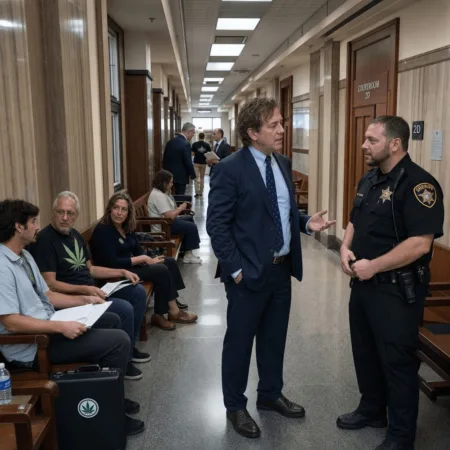
Cross Country Marijuana Conspiracy: Unraveling the Shocking Truth
Right now, the cross country marijuana conspiracy story is grabbing headlines and igniting new debates. From coast to coast, shifting cannabis laws are exposing deep-rooted legal and social contradictions. The recent Oregon bust shows how old-school prohibition still clashes with today’s green wave. With legalization moving fast but federal laws lagging, these incidents force us to ask: What’s really happening behind closed doors in America’s cannabis culture? In this piece, we’ll break down the cross country marijuana conspiracy, separating hype from reality and exploring its wider impact on the industry.
Behind the Cross Country Marijuana Conspiracy: Legal and Cultural Backdrop
The cross country marijuana conspiracy shines a spotlight on the confusing patchwork of cannabis law in the United States. Oregon leads the charge in legalization, boasting one of the first and most mature adult-use markets. While some states thrive with legal weed, others treat cannabis like contraband from a bygone era. According to NORML, cannabis is still listed as a Schedule I substance federally, which creates legal gray areas for everyone from patients to business owners. These complicated legal gray areas bear resemblance to issues raised in recent community debates when authorities intervene in family settings, such as in this notable parenting case involving marijuana babysitting exchanges. Conflicting state and federal policies make it risky to transport cannabis across state lines, even accidentally. Add to that soaring market demand and the emergence of multi-state operators, and you have fertile ground for high-stakes operations, legal confusion, and stories like the current cross country marijuana conspiracy.
The Key Developments: What Really Happened in the Cross Country Marijuana Conspiracy?
In June 2024, the Department of Justice announced that an Oregon man was sentenced for his part in what prosecutors called a cross country marijuana conspiracy. According to official federal filings, the defendant organized and managed an operation that involved shipping high-grade cannabis from Oregon to other states.
The federal case revealed that, even as Oregon’s market flourished legally, a network of associates moved product from Oregon to places where cannabis remains illegal. The mixed status of marijuana across the states brings to mind how local law enforcement handles drug cases differently based on region. Authorities tracked evidence of shipments through phones and bank records, detailing the operation’s interstate scope. The defendant, ultimately sentenced to federal prison, represents just one node in a larger effort to crack down on illegal interstate trafficking. This story has played out while national attention remains fixed on whether, or when, the federal government will finally legalize or decriminalize cannabis. Several such cases have been reported in the wake of Oregon and California’s cannabis surplus, with Leafly and other sources citing ongoing federal enforcement, despite local legalization.
Expert Analysis: Industry Voices on the Cross Country Marijuana Conspiracy
Let’s get real, when states have legal supply but prohibition persists elsewhere, the temptation and risk of cross-border trade is massive. But is this story really about a fallible individual— or about outdated laws failing to keep up? Cannabis industry leaders argue that the true problem is regulatory inconsistency. As Marijuana Moment reports: “Where legal supply meets illegal demand, enforcement alone won’t solve the underlying conflicts of America’s uneven cannabis policies.”
Black-market distribution tends to arise wherever prohibitionist policies remain, echoing national conversations about the broader impacts of changing drug laws and health risks, much like the findings detailed when universities research cannabis safety and toxins. Advocacy groups urge lawmakers to stop treating cannabis like bootleg whiskey and start building regulatory systems nationwide— a pivotal move if we are to move past echoes of prohibition. Industry attorney Jessica McElfresh states: “Until federal laws align with reality on the ground, ‘conspiracies’ like these are just the echoes of prohibition’s past holding us back.” (Leafly)
Where Do We Go Next? Cross Country Marijuana Conspiracy and the Road Ahead
Despite the occasional sting operation or headline-grabbing conspiracy, the U.S. cannabis landscape keeps moving toward acceptance and reform. Cases like the recent Oregon event highlight urgent needs: harmonized regulation, smart enforcement, and a federal framework fit for the 2020s. With mounting support for reform, persistent black-market demand, and the social costs of outdated laws, the cross country marijuana conspiracy isn’t a scandal—it’s a wakeup call. Advocates, lawmakers, and industry players are pushing for change.
If history is any guide, progress will happen—one vote, one statehouse, one court ruling at a time. According to recent analysis from Brookings Institution, “The momentum for comprehensive cannabis reform is clearly building.” As America’s attitudes evolve, most observers agree that national policy will eventually catch up with everyday reality. For now, every high-profile story—including the cross country marijuana conspiracy—reminds us that the future belongs not to prohibition, but to progress.
Originally reported by: justice.gov