





Crisis Calls High-THC Warning: What Every Parent Should Know
Buckle up, friends – the “crisis calls high-THC warning” is buzzing for a reason, and it’s not just the usual fear-mongering. With more potent cannabis products hitting the mainstream, parents, industry pros, and even seasoned stoners are paying attention. Why now? Recent spikes in crisis calls tied to high-THC products have parents concerned, headlines flaring, and the cannabis community scrambling to balance open dialogue with safe access. This isn’t just a repeat of classic anti-weed narratives – we’re talking regulatory shake-ups, new pressures on first responders, and critical education gaps. If you care about cannabis, kids, or keeping things legit, this high-THC warning demands your attention. Let’s break down what’s happening and why it matters.
The High-THC Landscape: Laws, Risks, and Social Context
The “crisis calls high-THC warning” conversation is happening at a unique crossroads. Gone are the days of dirt weed and back-alley deals, today’s market features edibles, concentrates, and vape pens packing a punch, sometimes with 90%+ THC. Legalization across states like Washington, Colorado, and California has expanded consumer choice, but it’s also prompted public health experts (CDC) to draw attention to accidental exposures, especially among teens and kids. If you look at shifting social acceptance and the way new food trends intersect with cannabis, culinary collaborations involving cannabis highlight just how mainstream potent products have become. Regulators walk a tightrope, trying to empower adults with access while preventing youth misuse. Meanwhile, the social narrative is tangled, many celebrate cannabis for wellness or recreation, but potent products and unclear labeling can trip up even savvy buyers. Law enforcement is stuck policing both legal and illicit markets, and hospitals are seeing more adverse reactions reported as state databases track National Survey on Drug Use and Health data. The crisis calls high-THC warning emerges from this messy middle ground, where new products, evolving norms, and regulatory blind spots collide.
High-Profile Incidents and the Latest Headline: Key Facts
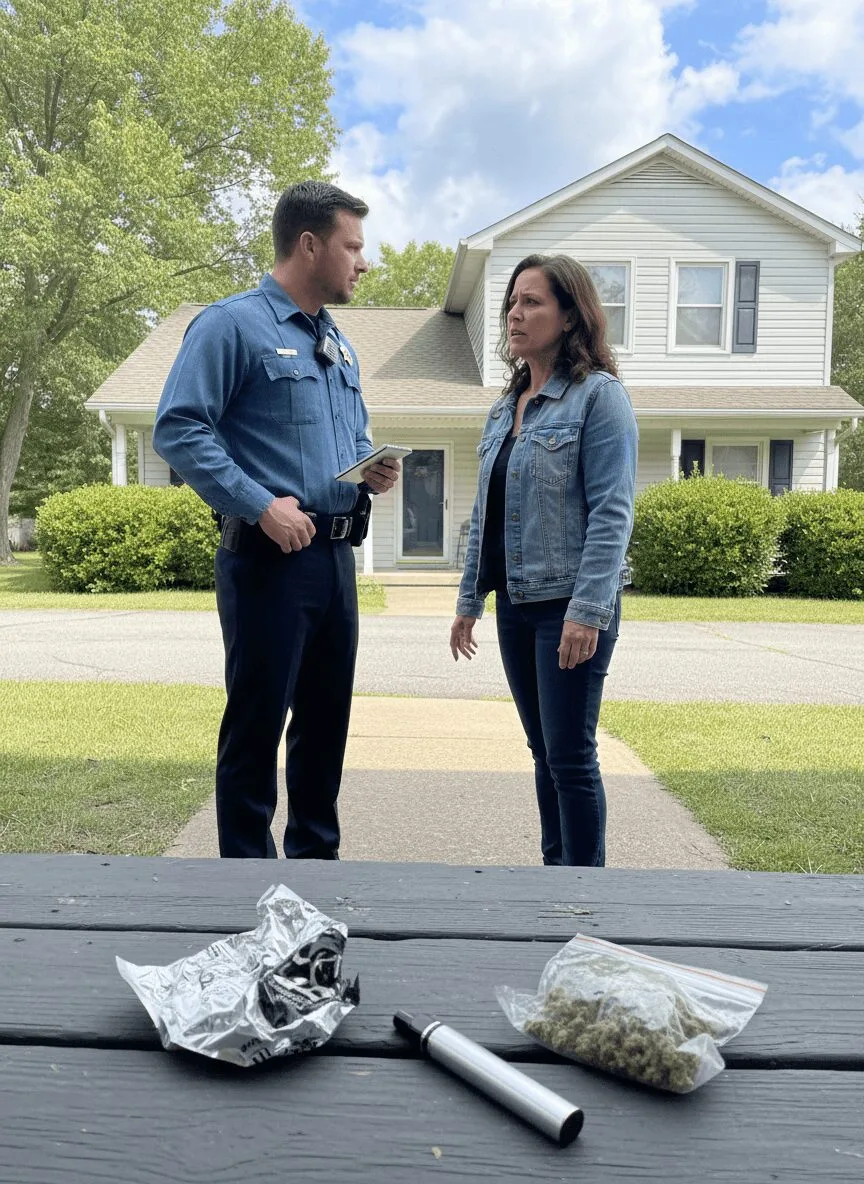
Let’s dive into the details causing today’s stir. According to a recent report from My Clallam County, the Sheriff’s Office in Clallam County, Washington, has raised alarms over a marked increase in crisis calls linked to high-THC cannabis products. The story hit on January 23, 2026, following direct statements from the Sheriff’s Office citing an “uptick in emergency calls involving high-THC cannabis use”, particularly among youth and young adults. Recent incidents involved distressed parents and guardians, some facing medical situations after teens reportedly consumed edibles or concentrated cannabis extracts. Law enforcement and medical professionals note that the potency of these products is a key concern, with some containing far higher THC levels than what previous generations encountered. If you consider regional responses elsewhere, recent cannabis product recalls in Colorado have shown how regulatory scrutiny has intensified in response to health concerns across different markets. The report highlights instances where responders struggled to distinguish between over-intoxication and mental health emergencies, stressing that “the need for clear education is now urgent.” Authorities emphasize these events aren’t just police headaches but “community-wide issues” impacting schools, families, and hospitals. The crisis calls high-THC warning isn’t about reefer madness, it’s about responding to realities on the ground.
What the Experts Really Say: Risks, Realities, and Pro-Cannabis Perspective
Here’s the deal, the crisis calls high-THC warning shouldn’t be taken as a straight-up indictment of cannabis, but as motivation for smarter policy and smarter stoner culture. Leafly’s Dr. Nick Jikomes notes, “Potency can be misleading, labeling and consumer education must catch up with product innovation.” When THC levels spike, accidental overconsumption does, too—especially among first-timers or the unsuspecting. But experts also stress that panicked responses don’t solve the issue. The key is evidence-based education, proper packaging, and collaborative regulation. Cannabis has a well-established safety record for adults, but younger users and uninitiated folks can find themselves in uncharted territory when high-potency edibles or vapes aren’t properly explained. Multiple peer-reviewed studies (see NIH Cannabis Legalization Review) back up that responsible access, clear dosage guides, and honest community dialogue mitigate risks far more effectively than scare tactics. For those interested in emerging consumption trends, the fact that THC beverages have seen a major sales boom lately underscores the need for consumer education on all types of products as legalization evolves. For parents, the message isn’t panic, it’s awareness, honest convos, and maybe a locked drawer. For advocates, it’s a call to keep pushing for science-led regulation as legalization evolves.
What’s Next? Navigating the Evolving High-THC Landscape Together
Looking forward, the “crisis calls high-THC warning” means the cannabis industry and broader communities have a big opportunity. As more states legalize and the federal conversation shifts (see projections from Statista’s Legal Marijuana Industry Analysis), demand for clarity, education, and safe practices only grows. Companies already refine child-safe packaging and dose labeling. Regulators and educators step up public campaigns, meeting new consumers where they are. If history’s taught cannabis folks anything, it’s the power of adapting to feedback, peer-reviewed science, and a shared sense of responsibility. Yes, “crisis calls high-THC warning” headlines will pop up as the market innovates – but these moments push everyone toward smarter, more inclusive, and legit marijuana culture. Let’s keep the dialogue open, stay cool in a crisis, and help this green industry thrive for generations to come.
Originally reported by: myclallamcounty.com

1 Comment
Pingback: Alabama medical cannabis dispensary poised for Cullman County