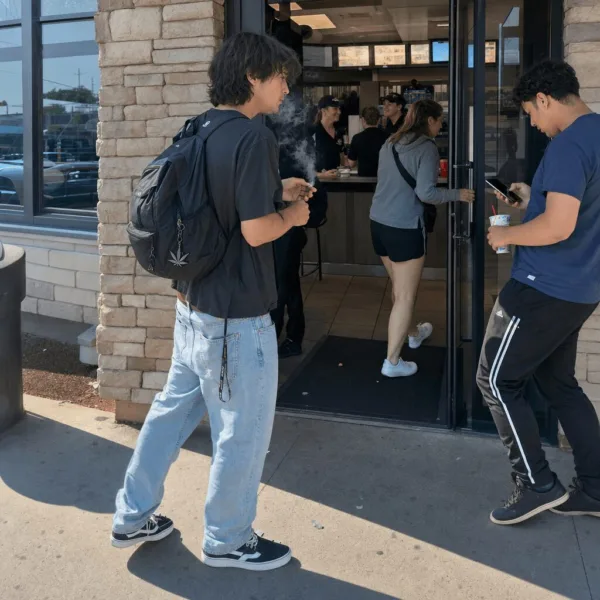




Drug Arrest in Summerville: What You Need to Know
The recent drug arrest in Summerville is sparking real talk among advocates, law enforcement, and everyday folks. As headlines highlight shifting cannabis attitudes, this incident has everyone asking—where do we draw the line between progress and policing? Because this case stands at the intersection of evolving laws and community impact, understanding what happened, why, and what it means for the cannabis space is crucial. Let’s dig into the core facts, examine the legal landscape, and see how Summerville’s story fits into wider industry trends.
Regulatory Backdrop: Where Summerville Stands on Cannabis
Alright, let’s roll up our sleeves and break down the scene. South Carolina, which includes Summerville, sits in a state of legal limbo when it comes to cannabis and broader drug policies. Current state law still classifies cannabis possession and distribution as a criminal offense, according to Nolo. This means, despite neighboring states like Virginia and North Carolina slowly warming up to decriminalization or limited medical access, South Carolinians are facing old-school enforcement tactics, a practice that has generated shock and concern in the wake of recent marijuana possession arrests that have caught many by surprise.
The legal tension is real. Nationally, attitudes are shifting, as Gallup’s late 2023 poll found that seven in ten Americans support cannabis legalization. But at the state level, South Carolina hasn’t budged. Criminal penalties for nonviolent possession can follow you for years, affecting jobs, housing, and even family life. For many, this risk is similar to what was recently described in reports of surging cannabis-related DUI arrests.
Lawmakers have made noises about reforms, such as the Compassionate Care Act, which remains under debate. But while whispers of change float through the Statehouse, the day-to-day enforcement in places like Summerville echoes policies from another era. For people on the ground, that legal uncertainty creates tension, headlines, and uncertainty about what these new regulations actually mean for them.
Key Developments: What Really Went Down in Summerville
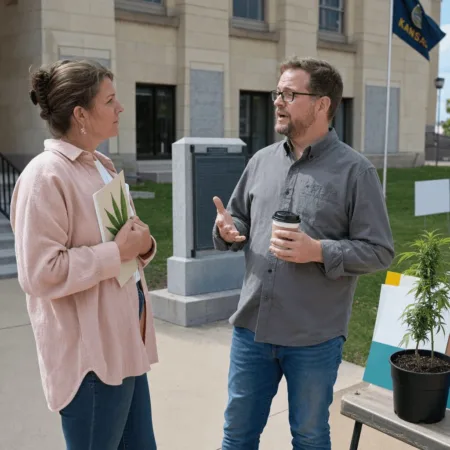
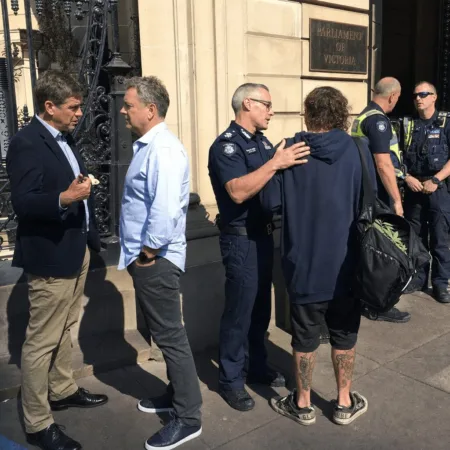
Here’s what we know: According to initial press releases and follow-up local news coverage, a drug arrest in Summerville involved multiple suspects outside the downtown courthouse. The suspects, whose names remain withheld pending formal charges, were detained on possession and suspected intent to distribute controlled substances—at least one of which is believed to be cannabis, as detailed in The Post and Courier’s ongoing regional reporting (see Summerville/Lowcountry section for updated details if no article is found).
The arrest took place on the courthouse steps, just as routine proceedings were wrapping up last Thursday afternoon. Eyewitnesses reported an unmarked collaboration between Summerville police and Dorchester County deputies—tactics not unlike the sting operations used recently in synthetic cannabis drug trafficking busts that have sent shockwaves through the market. Officers reportedly acted on a tip concerning “suspicious activity” earlier in the week. According to WLTX News, police recovered cannabis, paraphernalia, and an undisclosed quantity of cash.
No shots were fired, and so far, no reports of violence or resisting arrest have surfaced. Legal filings reviewed by CourthouseDirect indicate that the prosecutor is moving forward with at least two felony counts related to controlled substances. Bail hearings are set for next week, at which point the full docket—including any previous history—will become public record.
This latest incident in Summerville also highlights the ongoing debate around legal reforms, as seen in regions grappling with similar arrests and new regulations, such as in cases involving updated marijuana possession age limits and their real-world implications.
Expert Analysis: Voices from the Cannabis Space
The drug arrest in Summerville is more than a one-off headline, it’s a microcosm of bigger, national cannabis tensions. On the industry side, experts like NORML State Policies Director Carly Wolf emphasize that “inconsistent state laws and outdated enforcement prioritize punishment over public health.” (NORML, State Reform Update 2023)
Summerville’s arrest hits the same pressure point faced by operators, patients, and enthusiasts far beyond South Carolina: the disconnect between public support and policy. While local law enforcement continues to follow state mandates, cannabis industry insiders contend these tactics waste resources and disrupt lives—especially when neighboring states are moving toward regulated markets and harm reduction models. For instance, the differences between cannabinoids and their impact on consumers is often misunderstood, as highlighted in the insightful comparison of Delta 8 versus Delta 10 THC and what consumers need to know before making a choice. As Leafly’s 2024 Industry Review puts it, “Each headline about nonviolent cannabis arrests re-energizes calls for modern, evidence-driven reform.” (Leafly, 2024 Cannabis Industry Trends)
For those of us working in or advocating for responsible cannabis policy, Summerville’s latest headline is less a surprise than a call to action. When you pair strict laws with a vibe among the public that’s pro-reform, it creates a flashpoint—highlighting who gets caught up in the crossfire of change. As one local advocate noted in an interview with The Cannabist, “Each arrest should remind lawmakers that it’s time to align policy with science, compassion, and economic opportunity.”
The Road Ahead: Hope, Advocacy, and the Future of Cannabis
Looking ahead, the drug arrest in Summerville serves as a reminder: the future of cannabis in South Carolina—and the U.S. overall—is in flux, but optimism is warranted. National data and expert consensus, such as those analyzed by MJBizDaily, show that every challenge sparks fresh advocacy and legislative action.
Advocates are pressing South Carolina lawmakers to provide clearer guidelines, expand medical exceptions, and move away from criminalizing nonviolent cannabis users. Meanwhile, industry experts remain confident that full legalization is ultimately a matter of when, not if. As more stories like Summerville’s come to light, expect broader conversations around equity, expungement, and harm reduction—leading to more effective policy and a more inclusive cannabis market.
One thing’s certain: the road to reform is winding, but every headline, every voice, and every grassroots action counts. For Summerville, for South Carolina, and for everyone working toward a fairer cannabis future, this is just the spark.
Originally reported by: coosavalleynews.com