





Corruption of Minors Sentencing: What You Need to Know
Right now, corruption of minors sentencing is in the spotlight. High-profile legal cases and evolving attitudes toward cannabis spark urgent debates nationwide. With more states legalizing weed and shifting criminal justice priorities, everyone’s asking: How does cannabis involvement shape a corruption of minors sentencing? Whether you’re a concerned parent, a legal eagle, or an advocate for reform, this discussion matters. Today we’ll break down the legal climate, the facts behind the headlines, and why these cases impact both cannabis culture and real lives.
Understanding the Legal and Social Backdrop on Corruption of Minors Sentencing
No cannabis advocate can ignore how the intersection of marijuana and youth protection gets lawmakers and the public riled up. Laws around corruption of minors sentencing aren’t just legal fine print, they reflect our collective anxieties about crime, family, and weed. As NORML regularly reports, even in legal states, adults providing cannabis to minors triggers serious consequences. Historically, harsh sentencing grew from “tough on crime” eras, but with the public embracing regulated cannabis, courts and cops grapple with legacy policies. According to Pew Research Center, nearly 70% of Americans now support legalization, yet lawmakers still draw a sharp line enforcing strict corruption of minors sentencing to deter youth access and please the cautious crowd. These legal standards are uniquely strict when minors are involved in many states, no matter the product, intent, or circumstance, setting the stage for messy legal battles and evolving community attitudes.
Key Developments Highlighted in Recent Corruption of Minors Sentencing Cases
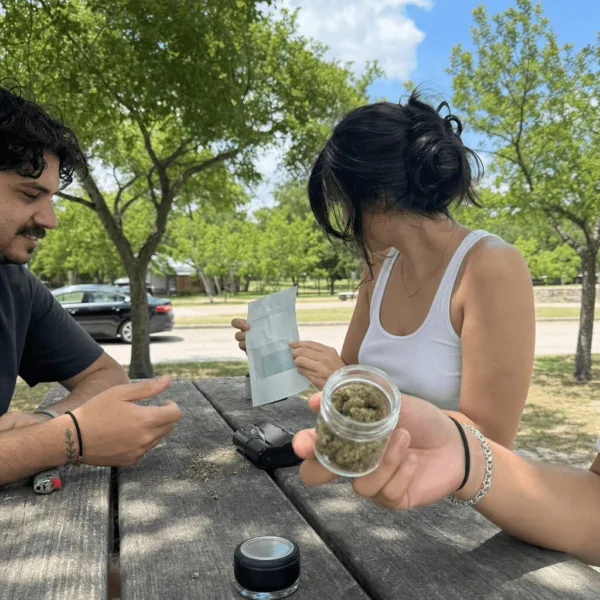
Let’s dive into the details making headlines. According to an original report from Minot Daily News, a recent case in North Dakota saw a defendant sentenced to two years for corruption of minors, allegedly involving both cannabis and related paraphernalia in an incident from March 2026. The trial threw the spotlight on how state courts interpret adult-minor contact in the age of legal cannabis. Prosecutors hammered on the presence of a grinder and a small stash, arguing it was evidence of exposure and intent. Meanwhile, the defense emphasized lack of prior convictions, the unintentional nature of the act, and North Dakota’s own shifting stance on marijuana, as documented by Bismarck Tribune. This mirrors recent reform pushes and debates in other regions, similar to ongoing conversations about Idaho’s medical marijuana legalization prospects. Despite gray areas, the court ruled for a two-year sentence, invoking statutory minimums under current corruption of minors sentencing guidelines. Immediate community reaction was mixed, some praised the strict approach, while others called for a rethink, especially as local attitudes toward cannabis become more forgiving.
Expert Takes: Why These Sentences Matter for the Cannabis Community
So, why does this case echo across cannabis circles? As legal analyst and longtime cannabis advocate Bruce Barcott of Leafly News points out, “Cases like this shine a harsh light on the uneven playing field cannabis users face, especially when youth are involved. Even in reform-friendly states, old statutes can still hand out penalties that don’t reflect society’s current values.” Statistically, instances of minors gaining access to adult-legal cannabis remain exceedingly rare, according to Marijuana Policy Project. Yet, when it happens, it’s front page news, and a prime trigger for deep corruption of minors sentencing. Industry experts caution regulators to avoid criminalizing accidents or minor violations while still protecting youth. Recent market analysis reflects how financial pressures and shifting regulations influence how businesses handle youth access. In fact, as Cannabis Business Times reports, most licensed cannabis businesses have air-tight age-gating and inventory controls, helping drive down youth access rates in legal markets. That’s why many believe sentencing reform, not just tough enforcement, is the real path forward.
What’s Next? Lessons From the Latest Corruption of Minors Sentencing
The cannabis industry keeps evolving—so will the laws and attitudes around corruption of minors sentencing. As public support for legal weed continues to skyrocket and policymakers rethink punitive policies, cases like North Dakota’s become teachable moments. We see courts, parents, and businesses finding common ground: safeguard minors yes, but don’t let dated laws derail lives. Forward-thinking states like Colorado and California have already tightened retail security and invested in youth prevention, as The Denver Post highlights. That’s the model—curb youth exposure through education and smart regulation, not just longer jail terms. Change isn’t instant, but the future is bright: greater understanding, less stigma, and a legal landscape that finally matches reality. Stay tuned—the journey isn’t over, and everyone who believes in fair, responsible cannabis needs a seat at the table next time corruption of minors sentencing headlines hit.
Originally reported by: minotdailynews.com


