





Cool Weather Vegetable Growth: Top Insights for Better Yield
The buzz right now is all about maximizing cool weather vegetable growth, especially as more farmers are juggling veggies and cannabis side by side. This topic matters because shifting climate patterns and changing regulations are shaking up how and when we grow both crops. With fall temperatures cooling early and legal cannabis making farm life more interesting than ever, it’s key to understand what makes or breaks your cool weather harvest. In this piece, we dig into recent developments, regulatory backdrops, and expert advice to steer your small farm toward better yields—whether you’re nurturing kale, lettuce, or the finest Mendocino cannabis.
Understanding Regulatory, Market, and Social Conditions for Cool Weather Vegetable Growth
For Mendocino and small California farms, cool weather vegetable growth is heavily influenced by the state’s ever-evolving agricultural rules. Legal frameworks not only dictate how cannabis sits alongside your veggies (see California Department of Food and Agriculture), but also shape which practices are sustainable and profitable. The legalization of cannabis has introduced new market dynamics, with a steady flow of investment, rising property values, and greater pressure on small growers to compete with industrial-scale operations, as covered by Leafly industry analysis. Recently, community attitudes toward integrating cannabis with vegetable farming have become topics of local debate, as seen in reports about how small towns respond to law enforcement and policy shifts, such as recent regulatory debates over cannabis enforcement. That means farms are having to balance local acceptance, environmental rules, and the rollercoaster weather that defines each season. All these layers directly impact decisions about crop planning, resource allocation, and compliance, especially during tricky cool weather transitions.
Key Developments: This Season’s Facts on Cool Weather Vegetable Growth
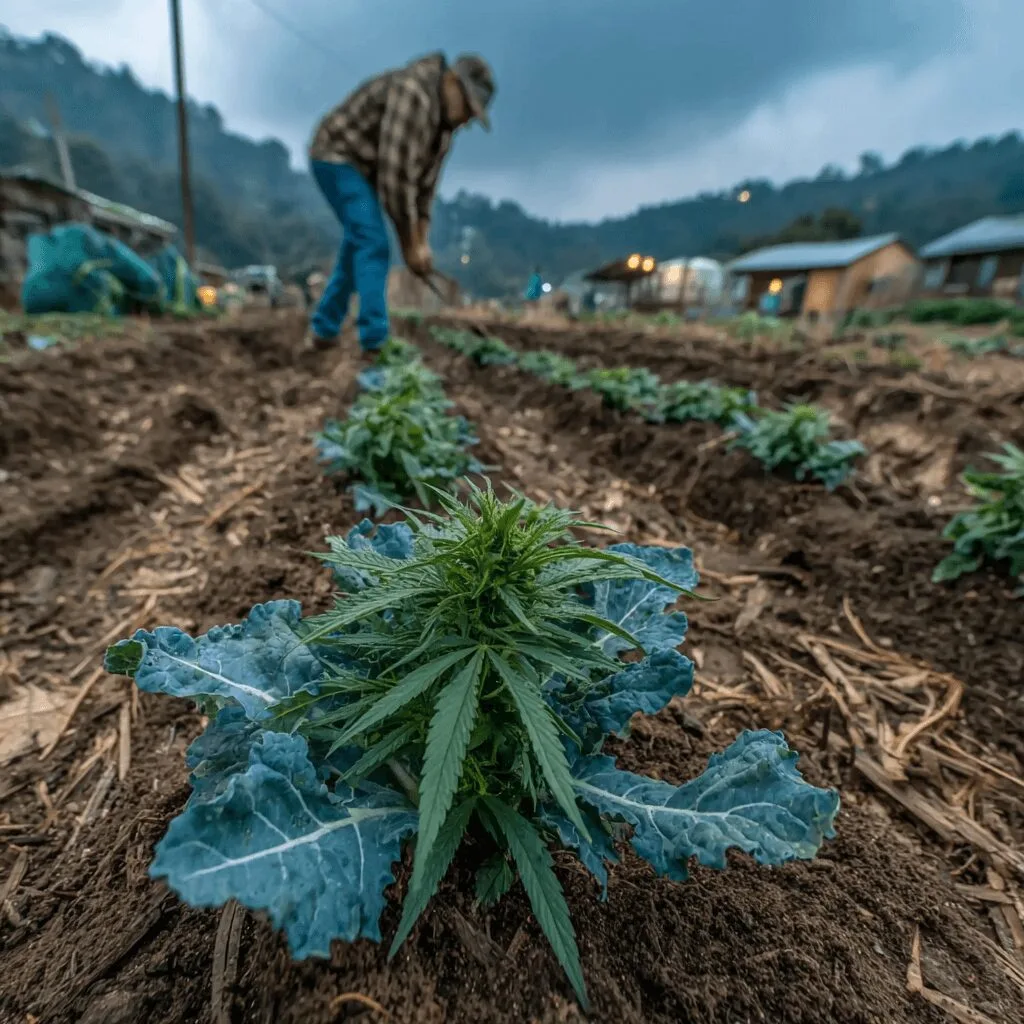
Last fall in Mendocino brought unseasonably cool temps, reported by small-farmers like John O’Neill, who witnessed slower than usual cool weather vegetable growth across kale, lettuce, and companion cannabis plots. According to The Mendocino Voice (2025), local growers saw delayed maturity and a longer harvest window as crops stubbornly refused to size up on schedule. This lag was documented despite good soil practices and active farm management. Farmers noted that while cannabis handled the chill with relative ease, staple vegetables struggled to bulk up, potentially reducing yields just when local markets were peaking. Area farm hands had to spend more time on crop protection and creative use of field covers, echoing trends reported in recent industry roundups tracking seasonal shifts. Seasonal workers juggled both cannabis and vegetable beds, staying nimble as markets, weather, and compliance requirements collided. As one farmer summed up, “this is the reality of mixing cool weather vegetable growth with cannabis in an unpredictable climate.” The Mendocino experience highlights the real-world complexity of co-cultivation as weather patterns intensify across the region.
Expert Analysis & Cannabis Industry Insights
Juggling veggies and cannabis isn’t just hype, it’s a vital strategy for modern, resilient farms. Experts in the space argue that integrating cannabis with cool weather vegetable growth can actually shore up small-farm economics. According to Marijuana Moment, “cannabis farming has helped us keep the lights on while giving us the flexibility to experiment with our traditional crops”—a sentiment echoed by growers throughout Mendocino. The interplay between cannabis and classic vegetables creates cross-crop synergies, buffered cash flows, and room for innovation in pest management and sustainable irrigation. Yet, it demands sharp planning: slower cool weather vegetable growth calls for staggered planting, careful microclimate management, and willingness to pivot quickly. Industry discussions, such as those focusing on health impacts and what farmers face in the changing cannabis climate, raise important points that are increasingly relevant (see wellness and cultivation impacts). An industry insider, Lisa Bryant of California Growers Association, told Leafly, “Staying nimble and learning from each season’s unique curveballs makes all the difference, especially when you’re invested in both greens and green.” Experts agree: cannabis diversification means small farmers are better able to weather unpredictable falls while scooping up new market opportunities. These lessons are guiding current best practices and being reinforced by on-the-ground results from the 2025 growing season.
Future Outlook and Optimistic Takeaway
Peering ahead, growers who embrace both cool weather vegetable growth and cannabis integration look best poised to tackle new climate and market conditions. California’s ag regulators, as summarized in recent NPR coverage, are refining their frameworks to encourage regenerative, diversified practices. Social acceptance is ticking up as more communities recognize the economic and sustainable value of crop blending. While cool weather veggie yields may occasionally drag, the risks are cushioned by the resilience cannabis offers—making small farms more robust, and local food systems more secure. Bottom line: by adapting to seasonal surprises, diversifying crops, and taking cues from trusted sources, Mendocino-style growers can ride out the bumps and stand tall in the green rush. With ongoing education, new research, and policy shifts, the future shines bright for anyone betting on cool weather vegetable growth mixed with cannabis—and that means your salad and spliff can thrive together for seasons to come.
Originally reported by: mendovoice.com

1 Comment
Pingback: Ohio hemp THC law: What the Temporary Ban Means for You