





Conservatives and Psychedelics: Surprising New Perspectives
The conversation around conservatives and psychedelics is taking on new life. Recent years have seen a cultural shift: more conservative groups are re-examining long-held attitudes toward cannabis, psychedelics, and their effects. This evolving narrative matters right now, as societal taboos melt and policy debates heat up. Major organizations, researchers, and Christian communities are reconsidering these substances in ways nobody expected ten years ago—prompting key questions about values, law, and potential benefits. Let’s dig into why conservatives and psychedelics is the conversation everyone’s suddenly having and what makes this moment unique.
Shifting Moral and Legal Landscape: The Context for Conservatives and Psychedelics
If you’d told me even five years ago that conservative lawmakers and churches would debate mushrooms and cannabis at the dinner table, I’d have said you’d sampled too much product. But here we are. The U.S. has experienced a patchwork of religious and political cross-pollination, especially as far as drug reform is concerned. Cannabis is now legal in over half the states for adult use, according to NCSL’s recent summary of state laws. Even psychedelics, once demonized, are attracting unexpected bipartisan interest. Historically, the war on drugs disproportionately drew support from conservative and Christian groups, who saw substance use as a moral and public safety threat (Drug Policy Alliance). But recent science, medical advocacy, and high-profile legal exemptions for religious use are pushing folks to rethink old assumptions. Add shifting federal cannabis stances, plus a broader focus on mental health, and you have the right climate for conservatives and psychedelics to enter the mainstream policy chat.
Conservatives and Psychedelics: Key Developments and Turning Points
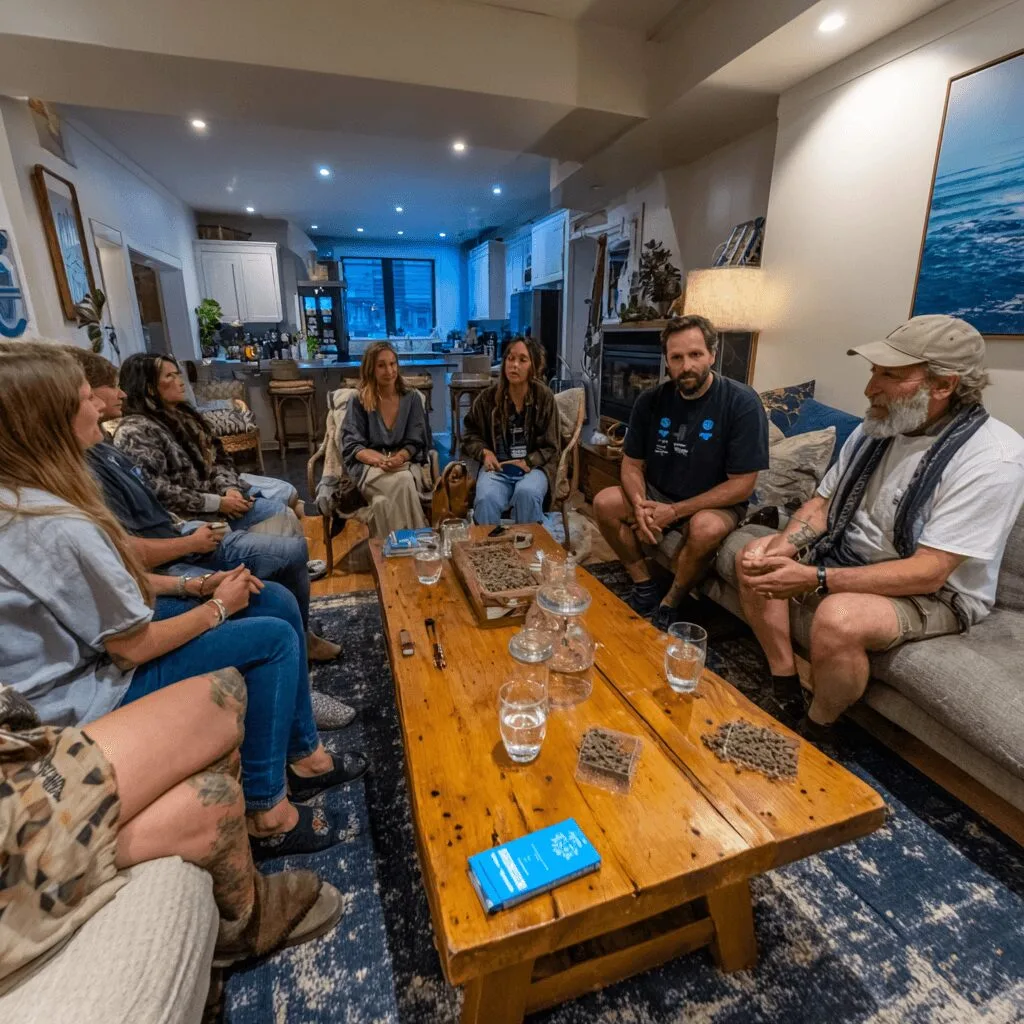
In a story that’s been raising eyebrows, conservative Christians are starting to engage openly with psychedelics. As Lucid News reports, there’s a growing movement among some right-of-center faith communities, who are exploring how these substances might enhance spiritual practice and even heal. The article details how advocates, like author Jack Perry and groups such as the Christian Psychedelic Society, are bringing dialogue out of the shadows. These communities emphasize that they are not pursuing reckless use but considering careful, prayerful applications for addiction, depression, and personal growth.
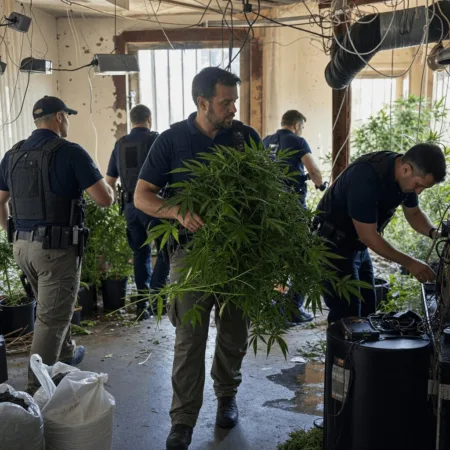
Concrete legal changes also help shape this trend. In 2020, Oregon became the first state to legalize supervised psilocybin services (Oregon Health Authority). Local ballot initiatives in cities like Oakland and Denver have decriminalized certain psychedelics. Policy debates are intensifying, with leaders referencing both biblical texts and scientific studies. On the cannabis front, conservative states like Mississippi and Alabama recently rolled out medical cannabis programs, signaling serious reevaluation (NPR reports). Meanwhile, ministries and online forums provide guidance for Christians seeking information on conservatives and psychedelics—framing the discussion around personal freedom, wellness, and faith-driven healing. Surprising regulatory and safety challenges around cannabis continue to emerge, recently illustrated by an incident that highlighted the security risks for cannabis facilities. It’s a big leap from the Just Say No days, with more voices exploring what’s possible and what’s permissible.
Expert Analysis: Why Conservatives and Psychedelics are the Conversation to Watch
What does all this mean for the cannabis industry and the broader push for reform? For starters, it signals a realignment of traditional policy barriers. When staunch conservatives and faith leaders start joining the psychedelic conversation, momentum follows. According to Marijuana Moment, the surge in bipartisan bills is ‘proof that these substances are crossing cultural boundaries faster than anyone predicted.’
Industry experts like Amanda Reiman, a respected cannabis researcher, highlight the shift: ‘The most exciting development is how communities who once led opposition are now leading compassion-based education and advocacy,’ she told Filter Magazine. Linking mental health gains with religious values deepens mainstream acceptance, especially when advocates reference both the science and the scripture. This creates a nuanced, values-driven push for access, safety, and legitimacy.
It’s not just about legal changes. It’s about breaking down stigma and building new coalitions, industry-wide. As regulators debate descheduling cannabis and more states consider legalization, this emerging coalition—including conservatives and psychedelics advocates—will shape the next wave of policy and public opinion. In states navigating the complex landscape between cannabis and alcohol regulation, observers continue to analyze how surprising regulatory comparisons may change minds about public health and safety. The optimism is real, but it comes with a healthy dose of realism: without ongoing education and smart safeguards, innovation can always risk pushback.
Looking Forward: Conservatives and Psychedelics Fuel Hopeful Change
The conservative pivot on psychedelics—and cannabis—offers a stunning example of how American attitudes are evolving. With Gallup polling reporting historic highs in support for legalization, there’s every reason to believe that conservatives and psychedelics will keep fueling policy breakthroughs and industry growth. New research is opening minds and hearts, while faith-based communities demand access on their own terms. Is the road ahead conflict-free? Hardly. But the walls that kept cannabis and psychedelics on society’s fringe are finally cracking.
With this momentum, more states and local governments are reconsidering restrictions. Product innovation ramps up. Community engagement efforts bring education, not judgment. All signs point toward broader acceptance, smarter policy, and (hopefully) the end of the most harmful stigmas. For anyone who’s championed the benefits of plant medicine, this new mainstream embrace—powered in part by conservatives and psychedelics—signals a future that’s not just safe and legal, but more inclusive, compassionate, and evidence-based.
Originally reported by: lucid.news
1 Comment
Pingback: Cannabis Induced Digestive Problems: Key Health Insights