Homegrown Marijuana Sales: A Budding Opportunity
If you’ve ever pondered the idea of growing your own cannabis at home and perhaps even selling your homegrown stash, you’re not alone. It’s a topic that’s been buzzing among cannabis enthusiasts, and it’s not without its controversies and challenges. In this blog, we’re going to delve into the intriguing world of homegrown marijuana sales, exploring the possibilities, the hurdles, and the potential benefits. So, grab your favorite strain, roll one up, and let’s embark on this cannabis journey together.
The State of Homegrown Marijuana Sales
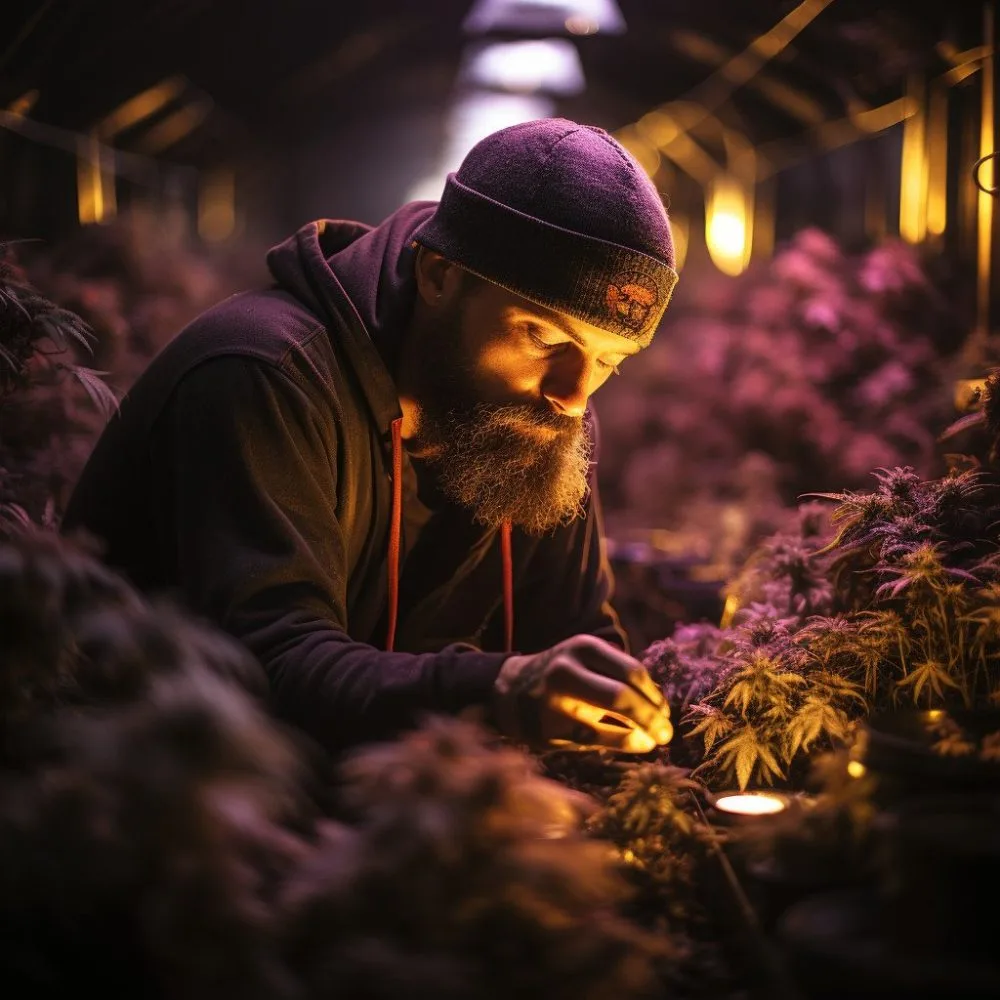
When it comes to homegrown marijuana, there’s a sense of empowerment that comes with nurturing your own cannabis plants. It’s legal in many places, including Connecticut, where individuals can grow up to six cannabis plants for personal use. But here’s the twist – selling what you grow is typically a no-go.
The Challenge of Selling Homegrown Cannabis
Connecticut’s cannabis laws currently restrict retail sales to licensed companies, making it a lengthy and expensive process for individuals to enter the market. This restriction has sparked a debate within the cannabis community about the fairness of the current system.
As Christina Capitan of CT CannaWarriors puts it, “People have been selling and sharing for a century before legalization was implemented.” She argues that there should be a way for home-growers to share their product with the community, even if it’s on a smaller scale than licensed producers and retailers.
The Missing Task Force
To address this issue, a task force was supposed to be formed in Connecticut to study the impact of allowing individuals to sell their homegrown cannabis at events. However, despite the statutory requirement, this task force has yet to materialize.
The delay in forming the task force has raised concerns among cannabis advocates like Lou Rinaldi, a medical marijuana patient. He believes that the state’s priorities should extend beyond enforcement and revenue collection, emphasizing transparency and accountability from elected officials.
Safety Concerns and Opposition
Not everyone is on board with the idea of homegrown marijuana sales. Kiersten Naumann, a member of the Connecticut Association of Prevention Professionals, has expressed concerns about the safety of homegrown cannabis products. She argues that without regulation and licensing, there’s no guarantee of product safety and hygiene.
Naumann also raises the issue of potential access to cannabis products by individuals under 21 and the risk of unintentional consumption by children. She believes that allowing off-site events for homegrown sales could have unintended consequences.
The Potential Path Forward
So, where does this leave us in the world of homegrown marijuana sales? The path forward is anything but clear-cut, but there are a few potential avenues to explore.
Tiered Licensing or Permitting
One solution proposed by advocates like Christina Capitan is the implementation of a tiered licensing or permitting system for home-growers. This approach could provide a legal framework for individuals to sell their homegrown cannabis, ensuring some level of regulation and oversight.
Ombudsman Oversight
Another aspect of the 2023 cannabis law in Connecticut that has yet to be implemented is the appointment of a cannabis ombudsman. This ombudsman would oversee complaints, examine the impact of cannabis laws on medical marijuana patients, and recommend legislative changes.
Finding Common Ground
Ultimately, finding common ground on the issue of homegrown marijuana sales may require a balance between individual freedoms and public safety. It’s a delicate dance that legislators and advocates must navigate to ensure that the cannabis industry evolves in a fair and responsible manner.
Homegrown Marijuana Sales: A Conclusion
As we wrap up our exploration of homegrown marijuana sales, one thing is clear – the topic is far from settled. While some advocate for the freedom to share their homegrown cannabis, others raise valid concerns about safety and regulation. The delayed formation of the task force in Connecticut adds an extra layer of uncertainty to the mix.
In the end, the future of homegrown marijuana sales may hinge on finding a compromise that allows enthusiasts to share their passion while safeguarding the well-being of the community. It’s a conversation that will likely continue to evolve as the cannabis industry grows and matures.
And there you have it, my friends, a closer look at the world of homegrown marijuana sales. As always, let’s keep the conversation rolling and the joints burning as we navigate the evergreen landscape of cannabis culture.
*Thanks to Marc Fitch of Inside Investigator for reporting on this topic.*