





Comanche Three unsolved murders: Chilling Cold Case Remains
Every so often, tragedy sends ripples through even the chillest of communities. Right now, the story of the Comanche Three unsolved murders is sparking tough conversations in both criminal justice and cannabis circles. These devastating losses honor the need for both healing and justice, and they underline how ongoing cold cases intersect with bigger changes—think criminal justice reform, evolving cannabis culture, and shifting local attitudes. In this deep-dive, we’ll lay out context, the hard facts of the case, what industry voices are saying, and why understanding signals from history matters as cannabis policy and community safety evolve side by side.
Historical Currents: Social, Legal, and Regulatory Factors Surrounding the Comanche Three Unsolved Murders
Let’s get real: rural Texas is changing, and not just in terms of how folks roll their joints. Over the past decade, the state’s slow shift on cannabis laws, mostly medical but with pockets of activism for decriminalization, has created both opportunity and friction. When tragedies like the Comanche Three unsolved murders strike and erode community trust, issues of policing, racial justice, and uneven enforcement take on fresh urgency. Reports from the Texas Department of Public Safety illustrate how small-town investigations can bump up against state-level policy lag and limited resources. Locally, suspicion and stigma have sometimes targeted both cannabis consumers and marginalized groups. A recent story on how contraband arrests have reignited discussion about policy and reforms, such as those at Elayn Hunt Contraband Arrests Spark Debate on Cannabis Policy and Reform, shows how even subtle shifts in state law can refocus community priorities, but progress moves at a crawl in places still haunted by cold cases. The conversation now isn’t just about cannabis legality, it’s about a deeper reckoning with justice, transparency, and public trust that cases like these bring to the surface.
Case Details: Major Events and Core Facts in the Comanche Three Unsolved Murders
Let’s break it down. The Comanche Three unsolved murders refers to the tragic deaths of three Black men—Jarrall Hall, Sidney Gant, and Cedric Betts—whose lives were cut short in Comanche County, Texas during the late 1980s and early 1990s. Over three decades have passed, and yet the cold case remains unresolved, as detailed by KCEN-TV (2024), but the trail is still cold. Family members continue on their quest for justice and answers. According to their reporting, allegations of shoddy investigations and systemic bias plagued law enforcement efforts from the start. Local advocates argue that the victims’ race contributed to the lack of urgency. Meanwhile, the Texas Rangers and FBI have revisited the file multiple times, but no arrests have stuck. For those interested in how legal support and transformative moves in Texas can affect families in complex situations, read the recent analysis about how legal support in Laredo and Webb County is evolving. Periodic media spotlights—like the Black History coverage at KCEN—have renewed pressure on officials. The anniversaries of the murders now bring both sorrow and calls for reform: more transparent procedures, more community involvement, and renewed investigation using both modern forensics and grassroots tips. This case, long stagnant, remains a flashpoint for the impacts of unsolved violence on rural, often-overlooked communities.
Industry Analysis: Lessons and Broader Implications for Cannabis, Justice, and Community
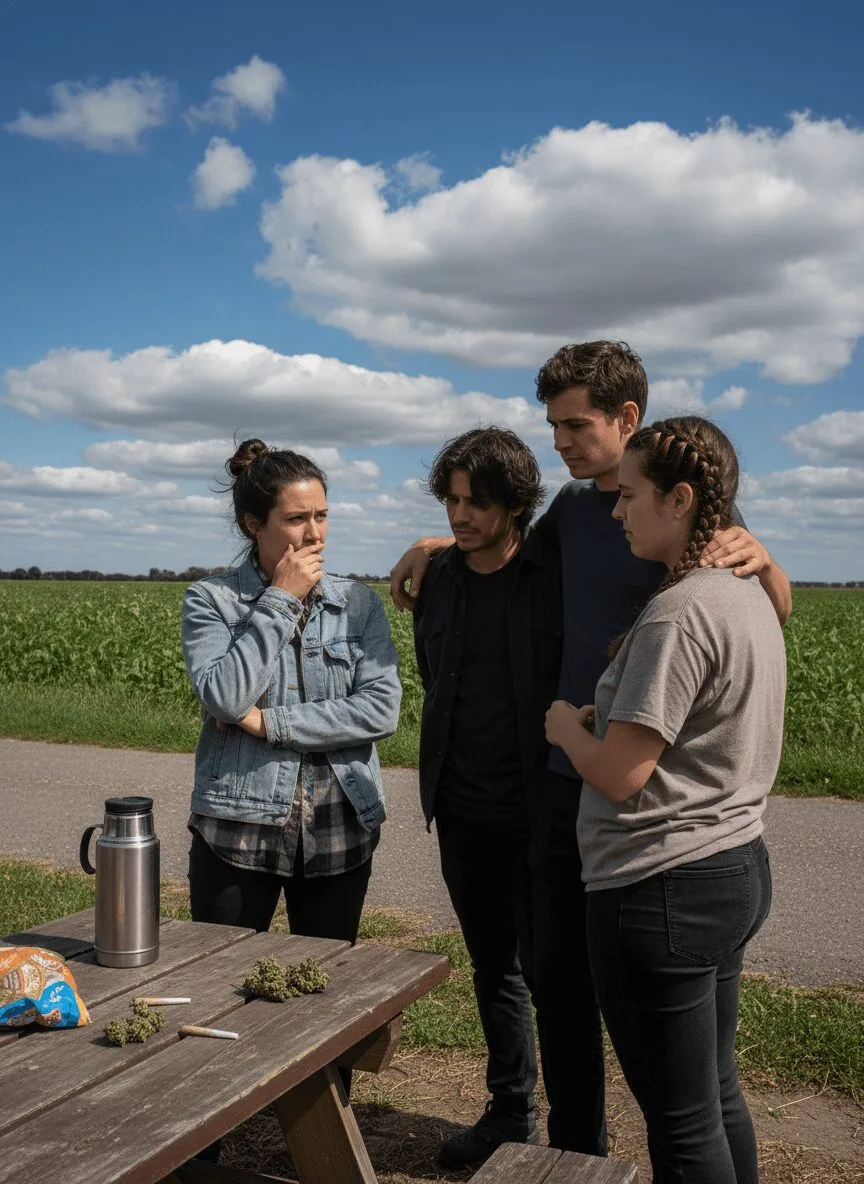
You might be wondering what cannabis culture has to do with the Comanche Three unsolved murders. Reality is, whenever justice stumbles, distrust grows and outdated stigmas resurface. This is especially true in places where authorities have long targeted cannabis users in the name of community safety. Industry analyst Mara Gordon told Leafly News, “When justice is slow—or worse, absent—whole communities pay the price, especially those already burdened by layers of stigma.” Cases like these highlight the ripple effects, not just on policing, but on how local residents interact with law even when it comes to harmless joints at a picnic table. To understand more about how ongoing legal debates shape communities in different states—for example, how a lawsuit in Michigan has affected local budgets—see this account of the impact of marijuana tax lawsuits on Michigan roads and county budgets. In a state still tiptoeing around cannabis reform, these unsolved crimes are reminders that true progress means more than rewriting statutes; it requires rebuilding public trust and accountability. It’s not about blaming cannabis, but exposing how broken systems create fertile ground for both discrimination and unsolved tragedies. Newer cannabis businesses and advocates are already working to change community relationships, channeling support for causes that bring healing and real change, an example of how cannabis culture is evolving beyond stereotypes and toward deeper solidarity.
Looking Forward: Hope, Advocacy, and the Future of Cannabis Culture in Texas
Despite decades of mystery, the Comanche Three unsolved murders have energized new voices—reformers, activists, and everyday locals—seeking to shape both justice and cannabis policy. As NORML points out, community-centered reform and public accountability often go hand in hand. While the pain of unsolved cases can’t be erased, grassroots organizing is turning tragedy into action, creating safer spaces, and promoting restorative justice. With Texas inching closer to wider cannabis acceptance, the hope is clear: a fairer, safer future for all, rooted in transparency and renewed trust. As we honor the memory of Hall, Gant, and Betts, that’s a promise worth rolling up for—and working toward together.
Originally reported by: kcentv.com

1 Comment
Pingback: Vernon local news highlights: Must-Read Stories This Week