






Shocking college football player arrest rocks team
Across campuses and fan forums, the latest college football player arrest has ignited heated debates. With attitudes toward cannabis rapidly changing, this event sheds light on college athletics, policy reform, and campus life in 2024. Today’s headlines aren’t just about scandal—they spotlight law, stigma, and the human side of living and learning with cannabis in an evolving landscape. Buckle up as we break down what happened, what it means, and where the conversation goes next.
Establishing the Landscape: Cannabis, College Campuses, and Law
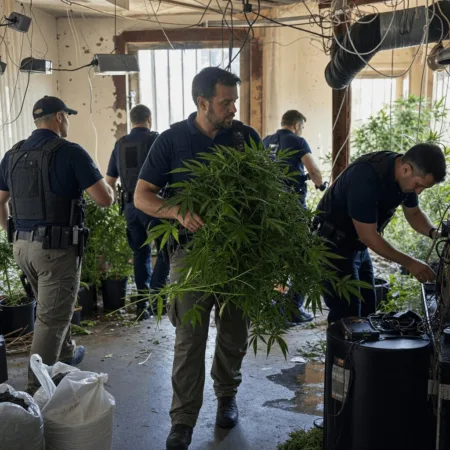
Understanding the context of this college football player arrest means looking at the patchwork of cannabis laws affecting students. Federal law still classifies cannabis as a Schedule I substance. However, over half the states, including nearby states to South Carolina, have voted in favor of either medical or adult-use cannabis, as NORML notes. Despite these reforms off-campus, universities (especially those receiving federal funds) must comply with the Drug-Free Schools and Communities Act. This often puts school policies at odds with shifting public perception and state-level decriminalization, especially for athletes subject to both team policies and NCAA rules. Socially, younger generations are normalizing cannabis, with Pew Research reporting over 60% public support for legalization. This dynamic fosters tension, and sometimes confusion, about consequences for cannabis-related actions on campus, especially for student-athletes with their careers on the line. In related news, large-scale law enforcement actions—such as those that result in massive cannabis seizures—continue to grab headlines, as shown by recent discoveries of multi-million dollar cannabis crops in the region.
The Incident: Facts Behind the College Football Player Arrest
According to a recent WBTV report, the scandal centers on a University of South Carolina football player arrested on campus for cannabis possession on February 11, 2026. Authorities noticed suspicious activity near a residence hall parking lot and, after a brief interaction, discovered the player in possession of several grams of cannabis, a glass pipe, and a lighter, all visible in a clear plastic bag. Campus police booked the student, who soon after was dismissed from the football program. The university cited violation of its code of conduct and team policy. No injuries or resistance were reported during the arrest. Fellow students reacted with shock and mixed opinions as news spread. As of press time, the player faced misdemeanor charges under South Carolina’s strictly anti-cannabis statute, as confirmed by state legal code. The NCAA has also recently updated its substance use policy, yet individual teams can impose stricter consequences beyond those guidelines. Notably, other student-athletes in different sports have faced penalties in similar cases, such as the instance where a wrestling champion received a significant suspension following a THC-related ban.
Expert Analysis: What This Means for Cannabis and College Athletics
This latest college football player arrest is more than a headline, it’s a reflection of how cannabis stigma still lingers in sport, even as legalization sweeps across the United States. Student-athletes, like all young adults, face unique pressures but are held to extra scrutiny, with scholarships and playing time on the line. Industry leader Marijuana Moment recently spotlighted similar cases, quoting cannabis policy expert Amanda Reiman: “It’s time for schools to rethink their approach. Punishing athletes for a plant that’s legal in many states only increases stigma and can harm future careers.” On the other side, critics argue schools must uphold their guidelines, but it’s increasingly clear these policies are out of step with public attitudes and evolving science. A 2024 report from Leafly News shows a majority of young adults and athletes support at least medical cannabis access. In conversations across athletic departments, concern is rising that outdated policies could drive talent away or fuel unnecessary criminalization, while failing to improve campus safety or student well-being. The backlash and discussion following this arrest signal a cultural shift is well underway. Meanwhile, legislative changes—such as those underway for cannabis products in Oregon—are continuing to influence campus and athletic department policies as lawmakers evaluate THC and cannabis law updates.
Looking Forward: Change on the Horizon for Cannabis and College Athletics
As this college football player arrest reverberates through the sports world and campus community alike, there’s real momentum for change. Many advocates hope this will push universities and policymakers toward evidence-based, compassionate approaches. With major states like New York and California setting the pace in destigmatizing cannabis—and the NCAA engaged in policy reviews—the outlook is promising. Social attitudes continue to soften, and reforms slowly roll out across campuses, as detailed in recent Cannabis Business Times coverage. Ultimately, cases like this accelerate honest conversations about fairness, well-being, and personal rights. While setbacks and stigma persist, the tide is clearly turning—and the future of cannabis on college campuses and in college sports looks greener than ever.
Originally reported by: wbtv.com


1 Comment
Pingback: Oklahoma medical marijuana law: Can Stitt shut it down?