





Cleveland marijuana tax funding: See who’s benefiting now
Hey, cannabis fans and policy nerds—there’s big news out of Northeast Ohio. Cleveland marijuana tax funding is taking center stage, transforming more than just the bottom line for the city. Thanks to surging support for smart marijuana reforms and cash flow from legal sales, new tax proposals are actively shaping neighborhood investments. This matters now more than ever, as social equity, community reinvestment, and responsible use are finally getting real attention from lawmakers and citizens alike. Buckle up for the leafy details, from unexpected beneficiaries to the broader policy shifts happening citywide.
Understanding Cleveland Marijuana Tax Funding: Policy, People, and Social Context
Let’s set the stage. As more states go green, Ohio’s marijuana legalization movement (source: The New York Times), is fueling change in cities like Cleveland. Cleveland marijuana tax funding is a direct result of local pushes for tax dollars from legal cannabis sales to be reinvested at the neighborhood level. Think city-managed grants, youth programs, park rebuilds, and efforts to repair decades of failed drug policy. Cleveland.com reports that these dollars are earmarked for public good, not just municipal budgets. Social equity is the buzzword, but it’s about real money, spent in the places hit hardest by the War on Drugs. Nationally, models from Illinois (source: Leafly), and Colorado (MarketWatch), show the massive impact of cannabis taxes on schools, public health, and local enterprise. The Cleveland approach leans community-first, aiming to address both past injustices and future growth. As the money flows, everyone’s watching how it’s managed and who cashes in. Additionally, the impact of regulatory policy on drug laws has also been visible in states like Kansas, where new bills such as those affecting kratom and related substances have recently stirred debate among cannabis advocates; for more on these legislative shifts see recent changes in Kansas law.
Key Developments in Cleveland Marijuana Tax Funding
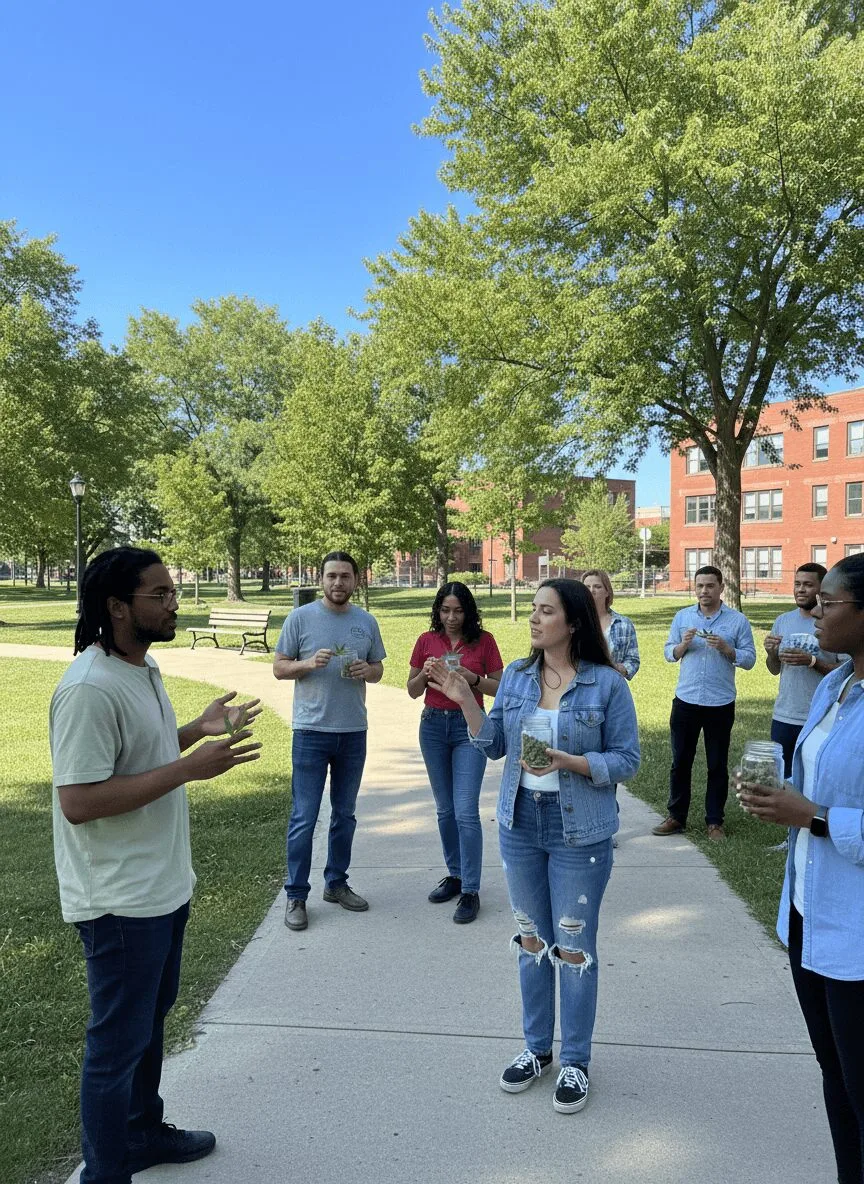
The big headline: Cleveland City Council is pushing a first-of-its-kind local marijuana tax funding measure. Marijuana Moment reports that the council has proposed directing new cannabis tax revenue straight into neighborhood projects. These include funding for after-school programs, violence prevention initiatives, small business grants, and community park renovations, particularly targeting historically underserved areas still feeling the effects of past policing policies. It’s a bold play that breaks from “general fund” tradition and centers on tangible, trackable outcomes. There’s a focus on transparency, with regular public financial reports, oversight from a community board, and stated goals for reparative investment. The proposal emerged right after Ohio’s recreational legalization advancements in late 2023, according to Cleveland.com. Meanwhile, groups like the Buckeye Regional Anti-Drug Coalition have raised questions about youth prevention, but council sponsors point toward success stories in cities that have spent cannabis tax dollars on social programs (Cannabis Business Times). In light of ongoing debates about substance regulation and its effects on public safety and youth, cases like the recent illegal THC gummies seizure in Arkansas underscore the complexity of tax allocation and community risk. All eyes are on the implementation, as detailed budgets and timelines are now under review for public comment.
Expert Analysis and Insights: The Broader Picture of Cleveland Marijuana Tax Funding
The excitement in Cleveland mirrors a trend across the country, as more cities embrace targeted use of cannabis revenue for community uplift. According to NORML, “diverting marijuana tax funding directly to neighborhood projects is both good policy and good politics.” Dr. Akilah Lacey, a policy researcher with expertise in marijuana taxation, told Leafly: “Cleveland’s proposal has the potential to rebuild trust between local government and communities disillusioned by decades of drug war fallout.” The larger industry shift is toward accountability. States like New Jersey and California have faced backlash when tax funding vanishes into bureaucratic black holes (CalMatters), but Cleveland’s approach, transparency, equity, and direct reporting, signals they’re learning from those pitfalls. Small business owners and activists are calling for inclusion in oversight boards, to ensure the funds really land where they’re needed. Cities have also looked at broader public safety challenges, including how cannabis policy may intersect with violence prevention, as explored in community-driven approaches to preventing school shootings with insights from cannabis stakeholders. As cannabis tax cash keeps rolling in, expectations will only rise for social good to be more than a buzzword.
The Road Ahead: Cleveland Marijuana Tax Funding and the City’s Future
If the Cleveland marijuana tax funding strategy stays on course, the local cannabis scene could set a new standard for the Midwest (and beyond). Early investments into youth services, neighborhood parks, and entrepreneurship aren’t just PR plays—they’re core to a new era of reinvestment and restorative justice. According to the Drug Policy Alliance, the smartest cities use marijuana tax revenue as a tool for healing and opportunity, not just balance sheets. Expect more Cleveland residents, voters, and yes, city leaders, to tune in and demand measurable impact every step of the way. As attitudes toward cannabis keep softening nationally and regulatory guardrails mature, Cleveland’s bold bet on equity funding just might blaze a trail for every city still on the fence. The bottom line: how we spend cannabis money shows who we value, and Cleveland is finally putting its cards—and its cash—on the table.
Originally reported by: marijuanamoment.net


1 Comment
Pingback: Jerry Sullivan obituary: Celebrate a Life Well-Lived