




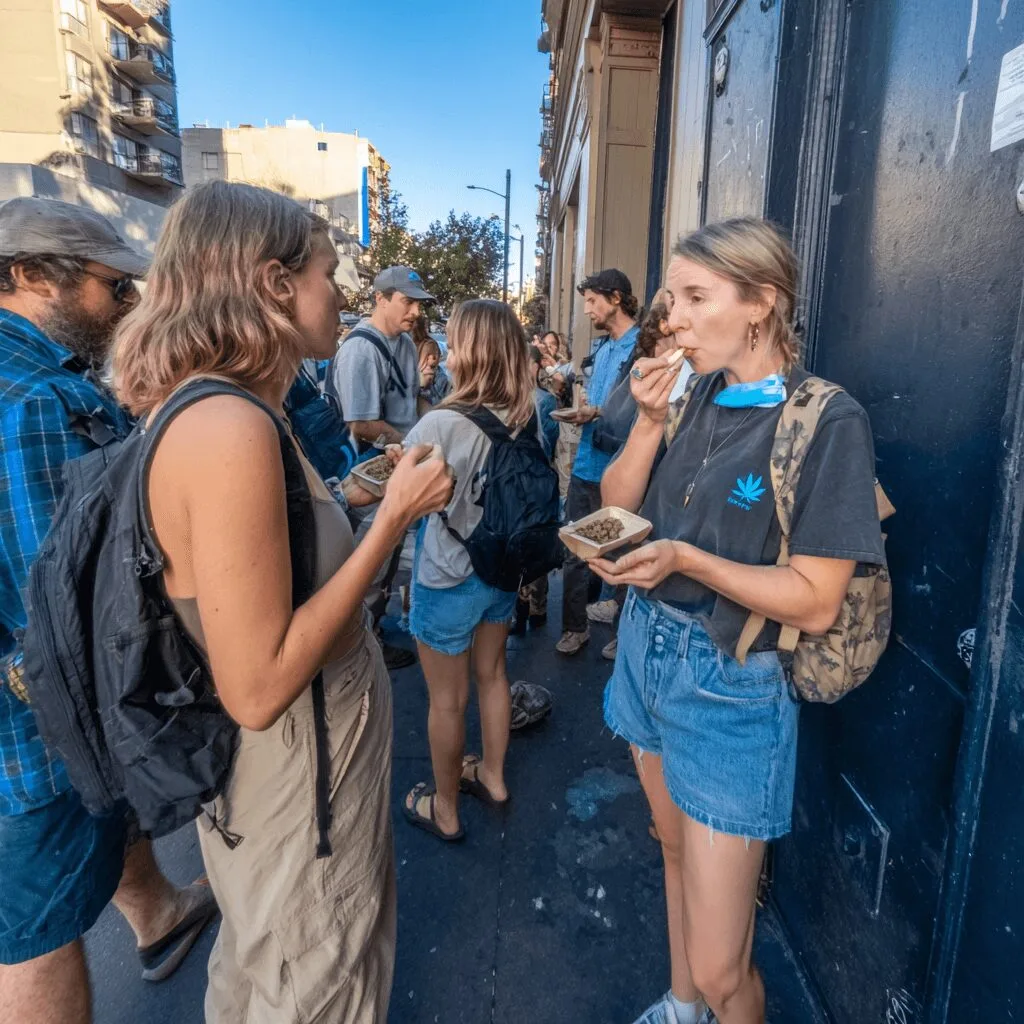
Santiago’s streets are alive with conversation about Chile cannabis politics—and for good reason. As far-right leadership influences national drug policies, everyday citizens, advocates, and even skeptics are left wondering what’s next. The future of access, criminalization, and reform hang in the balance. In this piece, we’ll break down what’s driving the debate, why Chile cannabis politics suddenly matter for everyone, and which new developments could shift the landscape. Stay with me; things are heating up fast in Chile’s cannabis scene.
Chile Cannabis Politics: Background, Laws, and Culture
Chile has long enjoyed a vibrant culture of debate around cannabis use. For years, citizens pushed for reform as Latin America relaxed laws on personal use, echoing similar movements seen in other parts of the world, such as those highlighted in future legalization outlooks for America. In 2015, the country legalized medical cannabis under strict regulation, but recreational use remained barred, as outlined by Transnational Institute. Despite restrictions, Chile leads South America in per-capita cannabis use, fueled by progressive youth culture and changing global attitudes. However, recent conservative political victories are testing these advances, pointing to a broader trend of shifting policy that is also highlighted in debates over marijuana policy and public safety. New presidents and lawmakers pledge stricter enforcement, citing concerns about youth health and social order. Yet, public support for easing cannabis penalties remains high, with polls showing more than 60% approval for regulated legalization across the country. Chile cannabis politics are now at a crucial crossroads where legal, cultural, and political dynamics intersect.
Pivotal Changes: New Leadership and Cannabis Crackdowns
The election of President José Antonio Kast, a figurehead for Chile’s new far-right movement, has dramatically shifted the nation’s approach to drug reform. In January 2024, just weeks after taking office, Kast’s administration signaled plans to intensify prosecution of cannabis offenses, especially public use and cultivation. This crackdown echoes a trend also observed in politician drug sentencing rulings that spark national debate. Reports from High Times confirm an uptick in police raids on dispensaries and confiscations of homegrown plants, reversing the previous administration’s more lenient stance. Legislators proposed amendments to Law 20.000, aiming to tighten definitions around permissible possession and further restrict personal cultivation loopholes exploited by patients and small collectives. Advocacy groups like Mamá Cultiva are responding with urgent campaigns, hosting teach-ins and street protests to defend medical access and protect users from new criminal penalties. Chile cannabis politics are now shaped by this clash between escalating enforcement and grassroots defiance, an environment where uncertainty reigns, but resolve runs deep.
Expert Opinions: What’s Really at Stake in Chile Cannabis Politics?
Industry insiders and reform advocates agree, what’s happening now in Chile sets vital precedent for Latin America. As policy analyst Constanza Sánchez of Drug Policy Alliance notes, “When national politics swing hard to the right, we see an immediate chilling effect on grassroots reform. Yet, communities often find new ways to persist.” Cannabis law experts highlight that harsh enforcement rarely reduces demand, instead, it pushes users underground and strains already-crowded prisons, similar to what has been observed in the broader medical cannabis reform landscape as discussed in recent changes impacting patients and lawmakers in Tennessee. According to a recent La Tercera poll, most Chileans want policymakers to relax penalties and invest in education, not criminalization. The cannabis industry, as detailed by La Vanguardia, continues to grow despite fear and uncertainty, a dynamic also seen in regular industry news recaps such as the weekly cannabis news roundup. As legalization debates shift in neighboring nations, Chile cannabis politics will undoubtedly shape the continent’s next move either toward progress or prohibition.
Hope on the Horizon: The Next Chapter for Chile Cannabis Politics
While the current administration’s stance may feel like a setback, history (and cannabis culture) show resilience. The latest wave of restrictions has only energized Chile’s reform community, sparking creative outreach and sustained public pressure. Similar scenarios have played out in Uruguay and Colombia, where popular movements eventually drove breakthroughs. As NORML leaders remind us, “Every tide pulls back before it rolls forward.” Today’s challenge is tomorrow’s opportunity for smarter regulation, harm reduction, and true social change. Chile cannabis politics may be in flux, but with so many citizens engaged—and global trends leaning in—there’s plenty of reason to look forward to a greener, fairer future.
Originally reported by: hightimes.com