





Chicago hemp products ban: What business owners want you to know
Right now, the Chicago hemp products ban is the hottest topic for the city’s cannabis community. As city officials float tighter restrictions, local business owners are bracing for a major shakeup. This isn’t just about keeping gummies out of schoolyards—jobs, access, and even neighborhood vibe are on the line. In this piece, we break down what’s happening, what’s at risk, and why the city’s hemp entrepreneurs are fighting back.
What’s Behind the Chicago Hemp Products Ban?
The Chicago hemp products ban debate is heating up thanks to a collision of market trends, muddled regulations, and public health concerns. Hemp-derived THC products, such as Delta-8, Delta-10, and hemp edibles, have proliferated across Chicago’s smoke shops, convenience stores, and boutique dispensaries. The Chicago Tribune reports that confusing federal and state laws have left a grey market flourishing. Federal legalization of hemp under the 2018 Farm Bill spurred a wave of innovation, with Illinois law trailing just behind in clear-cut rules for intoxicating cannabinoids. This regulatory gap has led to fears over youth access, untested products, and a general Wild West market, where unregulated substances remind many of cross-state incidents such as the recently reported Evansville cocaine and marijuana bust. Meanwhile, licensed cannabis operators—who follow stricter rules—say the hemp game’s undercutting their livelihoods. City officials and some alderpersons claim the ban is about safety. Still, many in the industry see it as a rushed response with huge unintended consequences. According to NORML, similar crackdowns have sparked heated debates in cities nationwide over who gets to sell, regulate, and profit from hemp-based products.
Key Events Shaping the Chicago Hemp Products Ban
The push for a Chicago hemp products ban gained momentum in late 2025. Alderman Raymond Lopez introduced a proposal to ban retail sales of most hemp-derived THC products citywide. Citing concerns over unregulated sales to minors and product safety, the ordinance would ban anything not approved under Illinois’ official adult-use or medical cannabis programs.
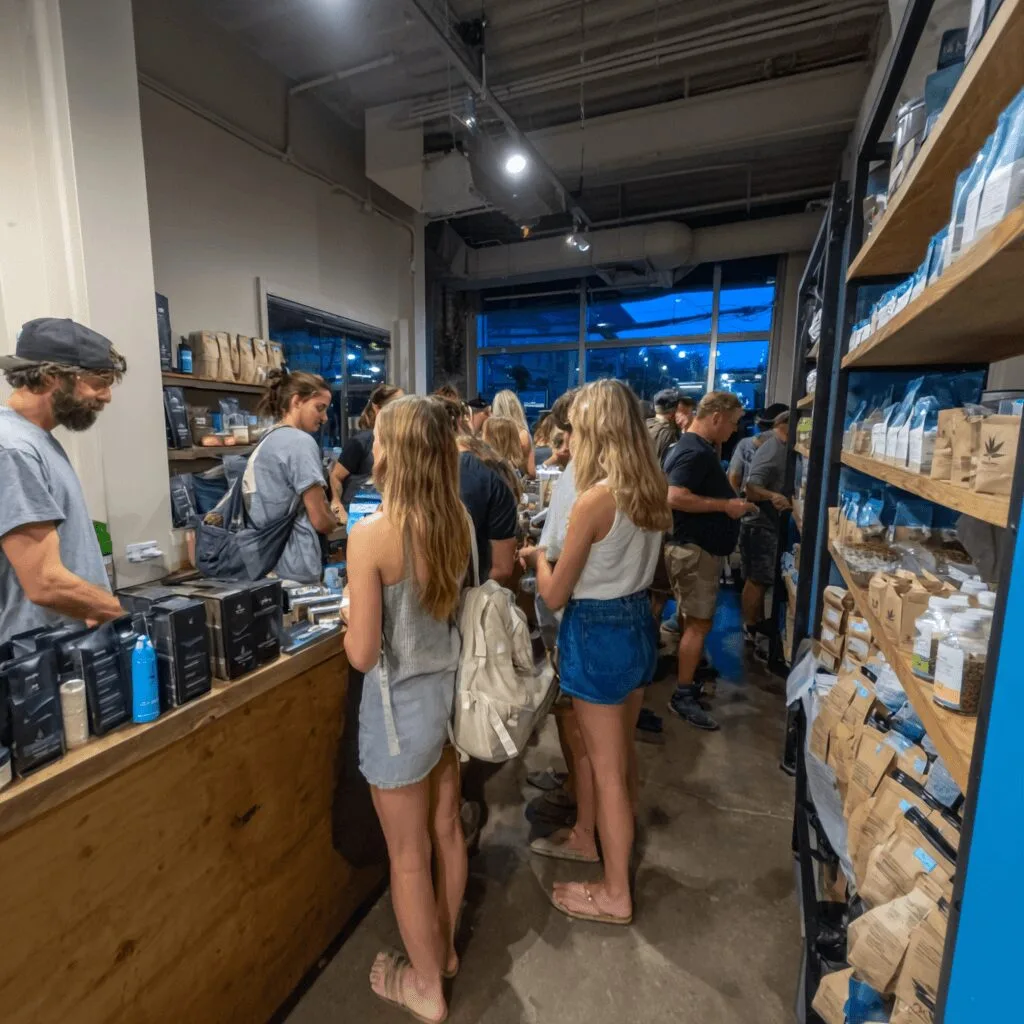
This isn’t just abstract legislation: Hundreds of small businesses could be forced to remove popular Delta-8 edibles, smokables, and tinctures from shelves. According to Block Club Chicago, owners like Ruben Flores (The Herbal Care Center) warn that such a move could devastate storefronts, gutting revenue and risking hundreds of local jobs. The ban comes as city cannabis dispensaries are just beginning to recover from the pandemic and profit margin challenges, with many relying on hemp products to boost traffic. These shifting policy debates gather momentum as we see similar grassroots campaigns nationwide, like Nebraska’s push for medical marijuana signatures, where local decisions have sweeping impact.
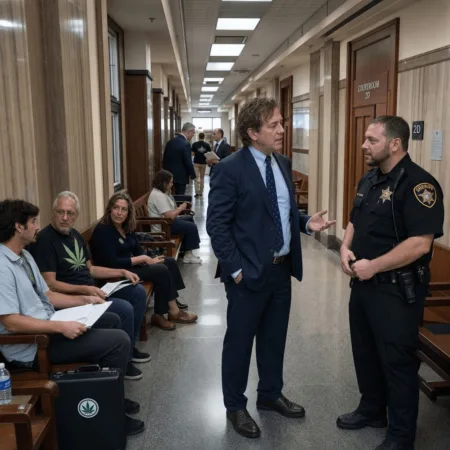
Meanwhile, City Council hearings have attracted heated public comment from both sides. Industry stakeholders argue that banning legal hemp products punishes responsible operators, while some health officials counter that it’s necessary to rein in the spike of unregulated sales. The proposed rule remains in committee as of this writing, with final votes still pending. Stay tuned, because this is shaping up to be a landmark case for hemp rights in urban America.
Expert Analysis: The Real Impacts of a Chicago Ban
Let’s get real, banning hemp products in Chicago isn’t just a legal headache. It’s a gut punch for small businesses and the city’s green economy. According to analysis from High Times, prohibitions like this rarely curb demand. Instead, they drive sales underground and hurt reputable shops that pride themselves on safety and education, a challenge that echoes larger security concerns faced nationally in the wake of high-profile incidents such as recent cannabis facility burglaries.
“We’re seeing responsible operators getting thrown under the bus,” says Sarah Ludwig, founder of Midwest Hemp Coalition (Midwest Hemp Council). “These locally owned shops are often better at keeping products out of kids’ hands than most big-box stores. Taking away hemp won’t solve issues, it’ll just push consumers to unregulated corners.”
From a business perspective, the Chicago hemp products ban could trigger a chain reaction: lost tax revenue, layoffs, empty storefronts, and an emboldened illicit market. Industry experts at MJBizDaily note that every state or city to enact knee-jerk bans ultimately struggles to balance enforcement with market demand. If lawmakers seek genuine public health solutions, nuanced regulation and strict testing requirements could prove more effective than blanket prohibition. These regulatory debates remind us to compare cannabis regulation with other substances for a balanced approach, as explored in the context of comparing marijuana and alcohol regulations for public safety.
What’s Next: Finding Hope Beyond the Ban
Here’s the big picture, friends: even as the Chicago hemp products ban sparks controversy, the cannabis industry’s momentum isn’t slowing. Market analysts from Leafly and Statista show solid year-over-year growth in demand for both regulated cannabis and hemp-derived products. More consumers are voting with their dollars, seeking safer, lab-tested alternatives. Thoughtful cannabis reform is happening—slowly but surely—across Illinois and beyond.
No one’s pretending the industry is problem-free. But smart, balanced solutions almost always work better than abrupt crackdowns. As Chicago debates its next step, there’s still hope for fair rules and well-informed policies. The activism, resilience, and sheer hustle of local shops prove that cannabis culture isn’t just surviving—it’s setting down deep roots in the Windy City. Whatever comes next, you can bet the conversation around the Chicago hemp products ban will shape the city’s approach to cannabis for years to come.
Originally reported by: blockclubchicago.org


1 Comment
Pingback: Cannabis Hyperemesis Syndrome: Hidden Risks Revealed