


Chicago Green Bay drug ring: Latest Shocking Conviction Revealed
The spotlight is on the Chicago Green Bay drug ring after a recent high-profile conviction caught national attention. This story matters now because it underlines ongoing challenges with substance trafficking even as cannabis legality and regulation evolve. The Chicago Green Bay drug ring highlights deep-rooted complexities at the intersection of illegal narcotics trade and shifting social attitudes about cannabis legality. Let’s dig into what’s happening, why it matters, and the broader implications for anyone keeping an eye on industry trends and social change.
Understanding the Background: The Changing Regulatory and Social Landscape
Over the past decade, state legalization efforts have transformed the cannabis conversation nationwide. While adult-use cannabis is legal in Illinois and medicinal programs thrive in states like Wisconsin, federal law still maintains a hardline stance. According to NORML, this evolving patchwork of rules creates both a booming legitimate industry and vulnerabilities that illicit networks exploit. The Chicago Green Bay drug ring thrived in regions where law enforcement gaps and inconsistent regulations left room for unlawful trade. Even as voters and communities increasingly support sensible cannabis reform, legacy drug laws and prohibitionist mentalities persist in some parts, fueling black market dynamics. Neighborhoods, policymakers, and industry advocates all feel the pressure to keep up with this rapid shift while grappling with outdated policy frameworks.
Key Developments in the Chicago Green Bay Drug Ring Saga
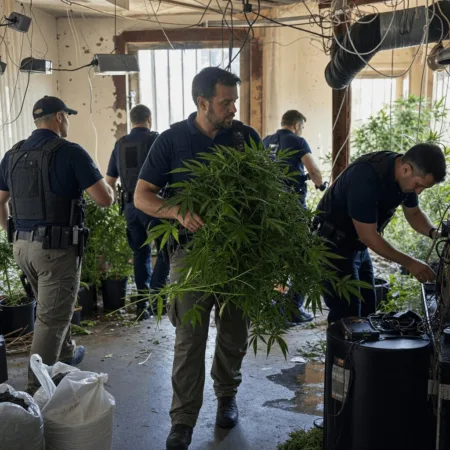
Recent criminal proceedings have pulled back the curtain on the Chicago Green Bay drug ring’s complex operations, according to Fox 11 News. Authorities brought charges against several people, underscoring the gravity and scale of the alleged trafficking network. The most recent conviction involves a young woman found guilty in a wide-ranging indictment including cocaine, fentanyl, methamphetamine, heroin, marijuana, and firearms offenses. Legal documents show the Chicago Green Bay drug ring moved significant volumes of illicit drugs between states, often blending cannabis with more dangerous substances, showing that overlapping cannabis and hard drug cases remain in the news, similar to the Oklahoma City restaurant drug raid. Police investigations, spanning from Chicago’s South Side to Green Bay, tracked connections, stashes, and deals that crossed city and state lines. Court records highlight a mix of old-school trafficking and modern smuggling tactics, all orchestrated in a climate of partial legality and rapidly changing social tolerance. This saga reminds us how black market operations adapt as new laws create both opportunity and risk, putting local authorities and communities on high alert.
Expert Analysis: Lessons and Larger Context for the Cannabis Industry
The fallout from the Chicago Green Bay drug ring raises tough questions, especially as legalization and industry oversight expand. One clear takeaway: illegal markets still thrive when there’s regulatory confusion or restricted access. According to MJBizDaily, “fragmented laws drive consumers, and opportunists, into the shadows.” Industry analyst Kellen O’Keefe points out, “People turn to unregulated supply chains when legal options are patchy or inaccessible. This isn’t just about enforcement; it’s about smart, inclusive policy.” For those focused on the intersection of policy, politics, and public advocacy, examining cases like the South Carolina medical marijuana debate provides broader context. As more states modernize their approach, legal cannabis can help displace black markets, so long as policy makers avoid heavy-handed restrictions. Many public health and safety advocates now call for expanded education, community investment, and science-based regulation. The Chicago Green Bay drug ring case is a cautionary tale, but also a roadmap for moving from punishment models to harm reduction and economic growth.
The Road Ahead: Hope, Growth, and Regulatory Evolution
Despite the headlines surrounding the Chicago Green Bay drug ring, the cannabis industry is trending toward legitimacy and social acceptance. Lawmakers increasingly realize that prohibition only fuels shadowy markets. As more states build robust legal frameworks, communities benefit from taxation, education, and job creation. Reliable sources like Leafly report historic public support for sensible reform. The future promises fewer “big bust” stories and more success in outcompeting illegal operators with quality, safety, and community responsibility at the core. The Chicago Green Bay drug ring story ultimately pushes us closer to smarter, more humane policy—and that’s something every advocate can celebrate.
Originally reported by: fox11online.com