



Chesapeake psilocybin trafficking sentence shocks community
If you’ve been paying attention to the shifting cannabis and psychedelic landscape, you know things are heating up. The Chesapeake psilocybin trafficking sentence has everyone buzzing — not just because it’s a jaw-dropper, but because it reveals just how complicated justice, science, and social acceptance have become in this space. As lawmakers, advocates, and everyday citizens reevaluate old-school drug policies, cases like this fuel serious discussions about what’s right, what’s fair, and where cannabis and psychedelics go next. In this article, we’ll unpack the background, walk you through the headline case, and break down what it means for the cannabis community, the legal world, and the future of sensible regulation.
The Legal Landscape: Why Chesapeake’s Psilocybin Sentencing Matters
Psychedelic regulation is a serious maze, and no, you can’t smoke your way out of it. In most U.S. jurisdictions, psilocybin remains locked up behind some of the strictest federal and state drug laws (see DEA Scheduling). Yet, public opinion is tilting toward reform. In 2023, Maryland advanced bills exploring psychedelic research (Maryland General Assembly), reflecting a growing, data-driven reevaluation. Meanwhile, cannabis has already entered the big leagues, with medical use widespread and more states going full-recreational each year (National Conference of State Legislatures). The Chesapeake psilocybin trafficking sentence unfolds in a state where even simple cannabis possession remains a regulatory labyrinth. Locally, Virginia only recently loosened some cannabis laws in 2021 (Virginia.gov), but psychedelics haven’t received that progressive treatment. For those tracking state-level marijuana policy shifts, states like Kentucky are also seeing increasing voter demand for decriminalization efforts (see how voters demand their say on the future), laying the groundwork for broader legal change. Against this legal tapestry, a psilocybin case carries outsized weight, both symbolically and practically, for future industry norms and criminal justice reform.
Inside the Case: Breaking Down the Chesapeake Psilocybin Trafficking Sentence
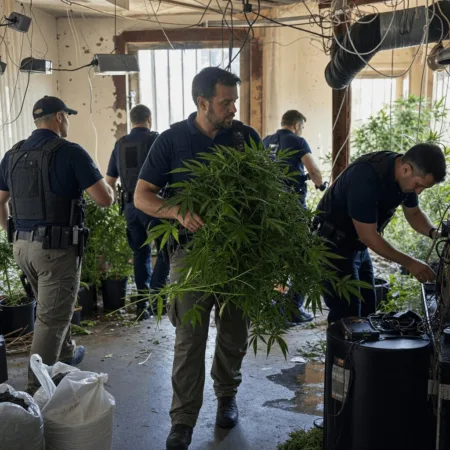
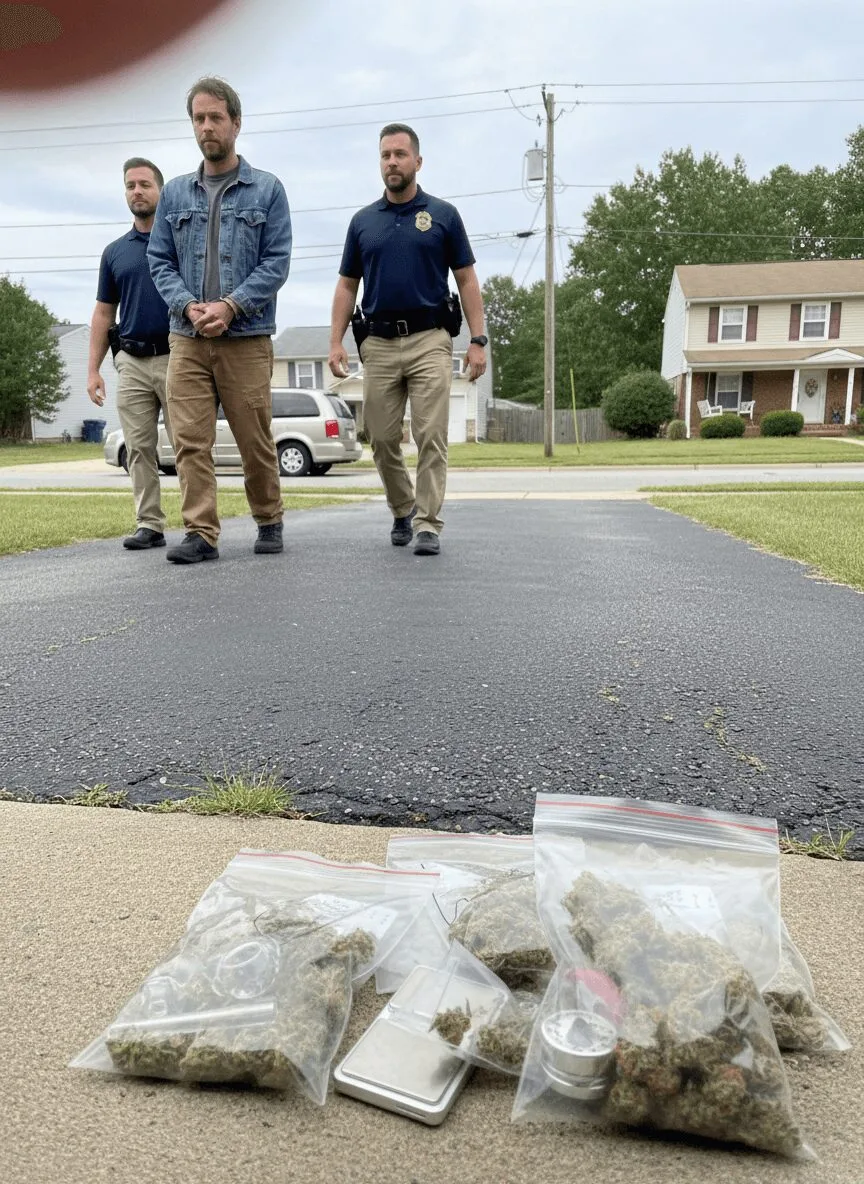
This story starts where many cannabis-related legal battles do, with a hopeful business play that tests the boundaries of outdated laws. According to the U.S. Department of Justice (DOJ Press Release), a Chesapeake man was sentenced after he tried to receive over three kilograms of psilocybin mushrooms. Feds report he attempted to smuggle them into Virginia, and law enforcement quickly intervened with enough evidence to secure a conviction. On sentencing day, the judge handed down a term of over six years in federal prison. That’s not a slap on the wrist, it’s a heavyweight statement about how seriously the Eastern District still takes Schedule I trafficking. The bust also resulted in confiscation of large sums of cash and cannabis paraphernalia, blurring the lines between these substances on the street. Local reaction has been fiery. Many see the Chesapeake psilocybin trafficking sentence as unduly harsh, especially given growing evidence of psilocybin’s medical potential (Nature Medicine). Yet, strict prosecutors argue such sentences are still necessary deterrents as long as laws remain unchanged. The ripple effect is evident among advocacy groups and industry entrepreneurs, and states like Nebraska highlight how regulatory commissions are becoming a pivotal force in shaping the future of cannabis oversight (learn how elections are influencing statewide change). Headlines from this case capture an atmosphere of caution and confusion moving forward.
What Chesapeake’s Case Means for Cannabis: Analysis from the Ground
Let’s get real: Chesapeake’s psilocybin trafficking sentence raises red flags for cannabis entrepreneurs and advocates nationwide. It’s a reminder that psychedelic reform is still lagging, and that old attitudes can lead to harsh penalties, regardless of shifting tides. Many activists feel that classifying psilocybin with dangerous narcotics is unscientific and socially damaging. Dr. Amanda Reiman, a well-respected cannabis scholar, emphasizes, “The tide of public opinion has shifted so strongly in favor of research and sensible regulation, it’s only a matter of time before our laws catch up.” (Leafly). The Chesapeake case also throws light on how disparities in enforcement often impact marginalized communities most — a long-recognized concern among reform advocates (see: Vera Institute of Justice). When considering broader industry implications, recent sales surges in established markets like Massachusetts demonstrate that legalization can drive substantial economic growth and challenge outdated paradigms (see what record highs mean despite market hurdles). The Chesapeake psilocybin trafficking sentence is a warning shot for those navigating the evolving landscape, and proof that reform is both needed and, ultimately, inevitable.
The Road Ahead: Hope for Reform after the Chesapeake Psilocybin Trafficking Sentence
Here’s the real talk: Despite the sting of the Chesapeake psilocybin trafficking sentence, America’s relationship with cannabis and psychedelics is transforming — fast. Communities are starting to question aggressive enforcement, demand better science, and strive for laws that elevate health and fairness over punishment. States like Oregon have already decriminalized personal psilocybin use (OPB), and national industry groups are pushing for sweeping reform in Congress (see: NORML). In Virginia and beyond, the cannabis industry continues to grow, adapt, and offer new professional pathways and therapies. The message is clear — keep educating, keep organizing, and keep humanizing those affected by outdated laws. Justice and opportunity can coexist, but only if we keep pushing for both, together. As public sentiment evolves and regulatory barriers fall, the next headlines out of Chesapeake might just reflect a smarter, fairer future for everyone.
Originally reported by: justice.gov