





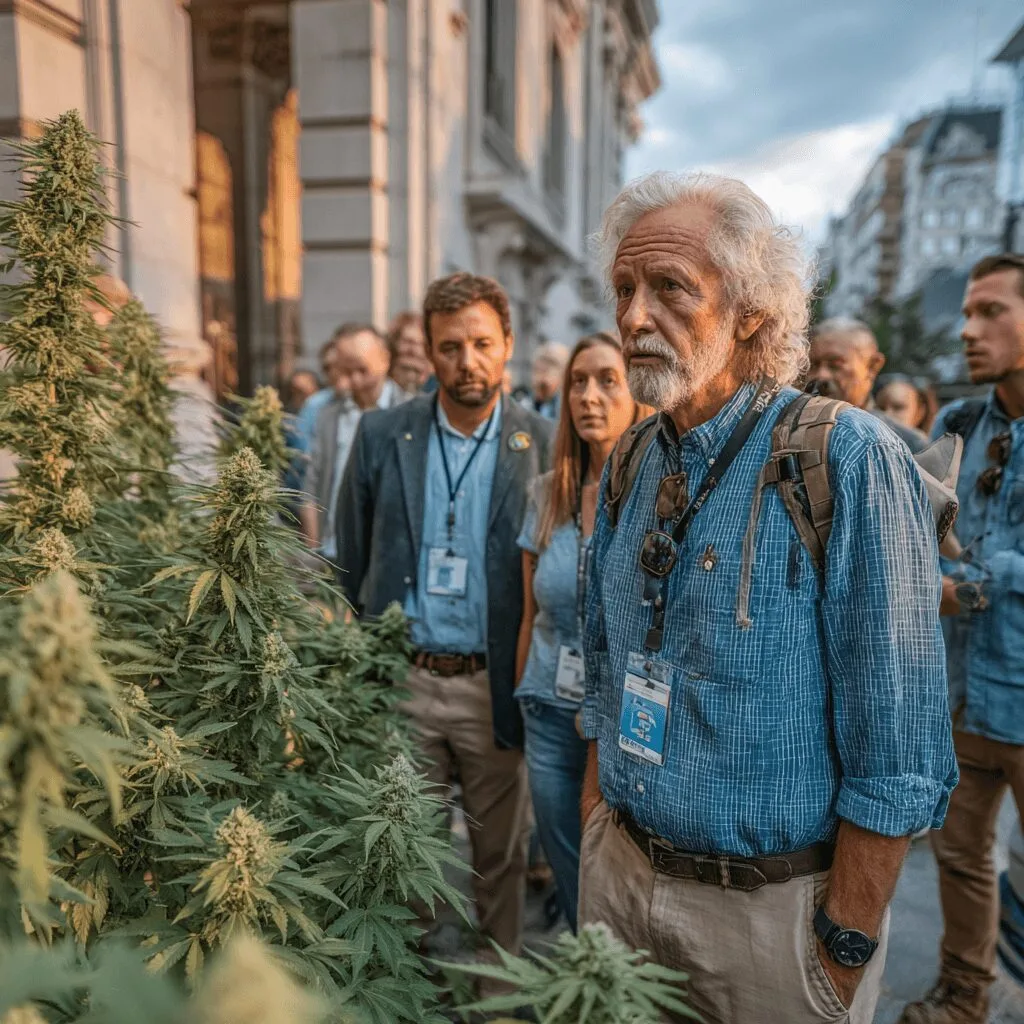
Cherokee cannabis investigation: What Sen. Tillis Wants Exposed
If there’s one thing lighting up headlines lately, it’s the Cherokee cannabis investigation. As federal and state scrutiny sharpens, the conversation around tribal sovereignty and cannabis business is heating up. With Senator Tillis calling for a probe and the cannabis industry riding major ups and downs, these developments have real impact for growers, lawmakers, and anyone who cares about legal weed’s future. Let’s dig deep into this saga and see what the fuss is really about.
Tribal Sovereignty & Market Context in the Cherokee Cannabis Investigation
The Cherokee cannabis investigation is getting so much attention because it strikes right at the intersection of federal law, tribal rights, and a booming cannabis market. The Eastern Band of Cherokee Indians (EBCI) is using its sovereignty to push boundaries, launching North Carolina’s first legal cannabis enterprise on tribal lands. According to MJBizDaily, this move is part of a wider trend of Indigenous nations leveraging their legal independence to chart their own cannabis policies.
While some states move to relax laws, cannabis remains strictly prohibited under federal law. This federal, state, tribal dance creates a unique regulatory maze. For instance, recent events like Kansas CBD shop raids highlight just how uneven enforcement and regulation remain across the country. When tribes cultivate or sell marijuana, they’re not only exercising their self-determination, they’re also testing the limits of what governments and law enforcement will tolerate. Combine that with explosive consumer demand, billions at stake, and uneven access to banking (as NORML regularly reports), and you’ve got a recipe for high-stakes drama.
Major Moves: The Core Events Behind the Cherokee Cannabis Investigation
Sparking this latest round, Senator Thom Tillis (R-NC) formally asked the U.S. Department of Justice to investigate the EBCI’s cannabis business in May 2024. According to News From The States, Tillis expressed concerns over federal law compliance and broader criminal implications. He specifically cited the tribal marijuana dispensary operating in western North Carolina—making it the first fully legal entity of its kind in the region.
The EBCI, meanwhile, defended its legal standing and community support, reminding critics that tribe members voted overwhelmingly in favor of medical marijuana legalization in a 2023 referendum. Since then, the tribe’s Seven Clans Cannabis operation has moved fast, building infrastructure, launching retail, and offering medicinal products. Similar to how retail closures in other regions, such as the recent closure of cannabis stores in Prince George, BC, draw significant attention, the Cherokee operation is closely watched by state officials, cannabis advocates, and business competitors alike, as reported by WRAL News.
All this comes against a backdrop of big national debates. While over 35 states now permit medical or recreational cannabis, pushes for federal legalization grind on. The Cherokee cannabis investigation stands out because it’s not just about policy, it’s about how power, opportunity, and sovereignty play out on the ground.
Expert Take: Deep Context on the Cherokee Cannabis Investigation
The unique tension between tribal, state, and federal law isn’t new, but the Cherokee cannabis investigation throws real spotlight on just how complex things have become. Recent high-profile law enforcement actions, such as a police marijuana trunk arrest in suburban areas, highlight ongoing legal inconsistencies for cannabis users and businesses nationwide. For years, experts have warned that unclear federal policies could generate conflict or even chill investment in otherwise legal tribal markets. As Marijuana Moment highlighted, tribal nations often lead innovation but face outsized risk.
In the opinion of industry veteran Steven Hawkins, who served as executive director of the United States Cannabis Council, “Tribal governments are uniquely positioned to demonstrate how regulated cannabis can benefit local economies while respecting cultural traditions.” (Source: Marijuana Moment).
Meanwhile, the Cherokee cannabis investigation illustrates broader industry hurdles, from outdated banking restrictions to patchwork compliance. These challenges echo trends in both retail and regulation, such as those covered in the latest cannabis retail technology report. It’s not just about this tribe, it’s a case study in America’s evolving, sometimes clashing views on legalization. Where some see legal risk, others see pioneering leadership.
Looking Ahead: The Cherokee Cannabis Investigation’s Ripple Effect
While the Cherokee cannabis investigation might stir up controversy in the short term, it’s also a massive opportunity for cannabis policy innovation. Tribal operators are showing that, with transparency and robust regulation, they can be leaders in ethical, community-based cannabis business. Regulators and industry professionals alike are watching closely, knowing this could shape the next chapter of legalization nationwide.
As national groups like NORML point out, every flashpoint like this pushes the conversation (and policy) forward. If states and tribes keep working together, and the feds get with the program, the cannabis industry will only grow stronger, smarter, and more legit—for everyone involved.
So, even if your stash is safe today, the outcome of the Cherokee cannabis investigation could echo through dispensaries, courtrooms, and communities for years to come.
Originally reported by: newsfromthestates.com



1 Comment
Pingback: DOJ investigation Cherokee cannabis: What’s at Stake Now?