Charlie Kirk Shooting Fallout: What Happens Next?
If you’ve been tuned in lately, you know the Charlie Kirk shooting fallout is putting a glaring spotlight on political accountability and public safety. This isn’t just another blip on the news cycle—major changes are riding on the wave of public opinion, state responses, and fallout reverberating through advocacy circles. Why should you care? Whether you’re tracking civil rights, cannabis normalization, or just following political drama, these ripples affect us all. Today, we’ll shed light on context, cover exactly what went down, break down what it means for cannabis reform, and—no surprise—offer a fresh, grounded perspective that’ll keep you thinking long after the smoke clears.
Political Climate and Social Context: How We Got Here
The Charlie Kirk shooting fallout did not happen in a vacuum. The wider landscape includes ongoing tensions about free speech, personal safety at political events, and how policy can lag behind shifting social attitudes. Recent years have seen high-profile incidents result in stricter event security, legal debates over protest rights, and increased calls for transparency,topics explored by the American Civil Liberties Union. All of this comes on the heels of what’s arguably a transformative era for public discussion, where every action, good, bad, or ugly, ripples through digital news feeds and influences public trust in government. Meanwhile, the cannabis industry keeps making waves, proving it’s not just about getting high, it’s about responsible policy, medical progress, and fair treatment for all. According to NORML, evolving legislation often intersects with broader civil liberties debates. With new events like interactive showcases shaping city cultures, San Francisco now sees cannabis crossing into lifestyle and public space conversations. When political figures like Charlie Kirk find themselves at the center of crisis, the intersection between legal reform, safety, and social discourse becomes even more charged.
Key Developments & Issues: The Charlie Kirk Shooting Fallout Unfolds
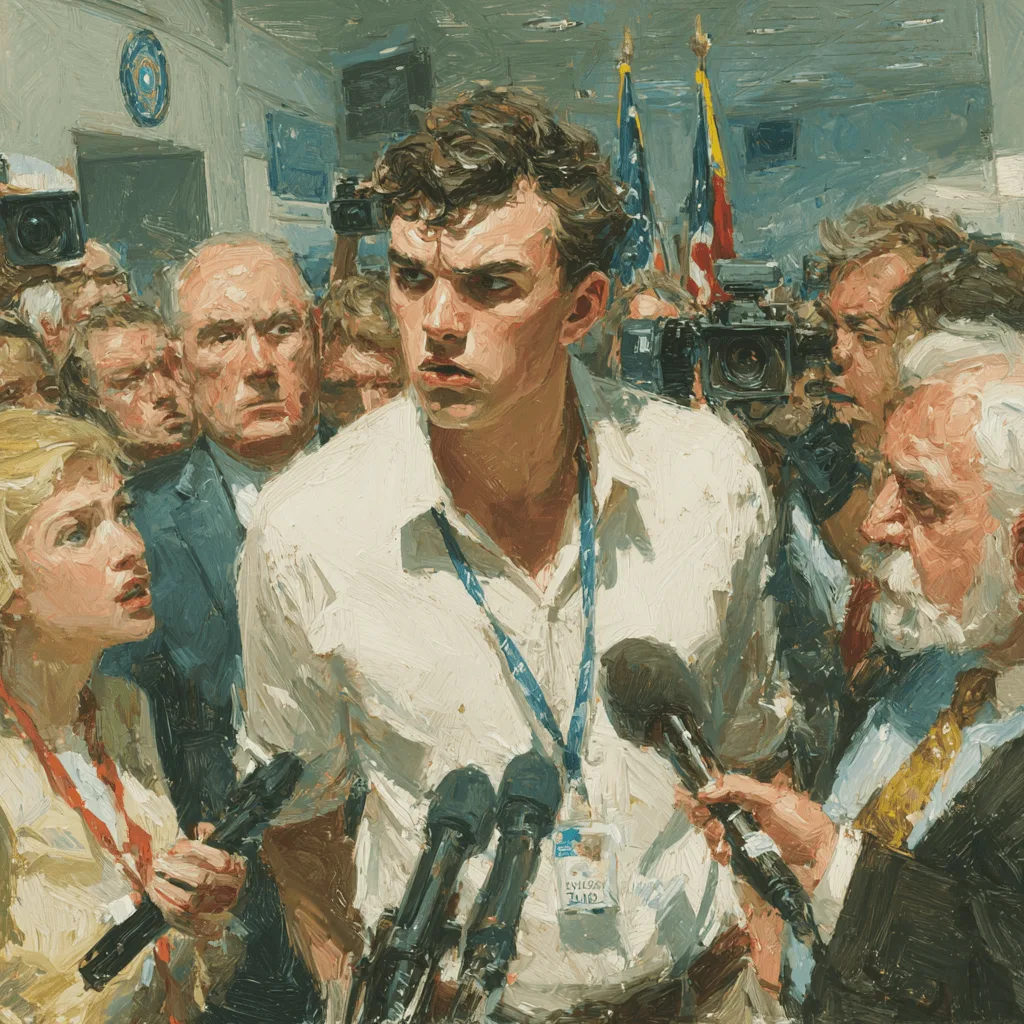
Let’s break down what actually happened, minus the media haze. The incident involving Charlie Kirk occurred during a live city hall press conference, shocking both supporters and critics alike. Journalists at the scene reported immediate confusion as law enforcement swarmed the area, escalating tensions and drawing national headlines. According to The New York Times, government officials were pressed for swift statements, while Kirk addressed the crowd with apparent urgency and visible emotional strain. As the situation unfolded, state authorities locked down the premises, pausing ongoing discussions about municipal regulations and sparking a flurry of hot takes about safety, speech, and policy reform. The ripple effect? Calls for new guidelines on public and political event safety, increased scrutiny on security protocols, and renewed debate over how high-profile incidents can shift the regulatory landscape, especially regarding highly politicized spaces. Contextualizing this moment, experts point to a broader push for transparent incident response, open dialogue, and accountable civic engagement, issues increasingly relevant as the cannabis movement challenges stigmas and advocates for fair laws. Recent cases have led to concerns about synthetic substances shaking up market safety,with drug trafficking in synthetic cannabis sending shockwaves across the industry. All this, against the backdrop of a nation grappling with safety, free expression, and evolving cannabis policies.
Expert Analysis, Industry Insight, and a Pro-Cannabis Perspective
Now, from a cannabis advocate’s perspective, let’s keep things blunt, and balanced. The Charlie Kirk shooting fallout demonstrates just how much stigma and snap judgments still affect not only political scenes but also the cannabis conversation. Too often, high-profile crises lead to knee-jerk regulations that miss the nuance and wider impact, especially for already-marginalized communities and new industries. Industry insiders know this script, whenever there’s a controversial event, cannabis gets dragged into debates about public safety, sometimes unfairly. According to MJBizDaily, the cannabis sector thrives when lawmakers take a measured, fact-driven approach, rather than reacting from a place of fear. As cannabis advocate Amanda Reiman puts it, “When we allow stigma and panic to dictate public policy, everyone loses, especially the people who most need a fair, functioning system” (Health Europa). The current fallout is a test, can we respond to public safety concerns without throwing equity, fair process, or scientific evidence out the window? For cannabis professionals, this is familiar turf. We’ve fought for legalization and rational regulation even when the headlines turned sour. Now’s the time to show why responsible industry players, advocates, and open-minded policymakers matter more than ever. As changes in the law signal massive future shifts, the nation is poised for a wealth-altering era with potential federal marijuana legalization on the horizon. Real public safety, whether at city hall or in cannabis shops, depends on accountability, transparency, and rejecting fear-based policies. That’s the lesson in both the Charlie Kirk shooting fallout and the cannabis industry’s climb to legitimacy.
Where Do We Go Next? Bright Spots on the Horizon
Looking ahead, the Charlie Kirk shooting fallout could usher in overdue improvements—in public event safety, civil discourse, and regulatory reform. For those of us in the cannabis world, this is nothing new. According to Leafly’s policy experts, the cannabis industry has consistently demonstrated adaptability, resilience, and a willingness to engage constructively with public concerns. Sure, the recent drama is intense. But just like the movement for cannabis reform, this controversy spotlights the need for evidence-based decision-making, not reactionary measures. The big takeaway? People are ready for smarter, fairer policy across the board—be it for personal safety, civil liberties, or cannabis access. With the right approach, we can turn moments of crisis into opportunities for progress. Stay informed, stay chill, and remember—the future of cannabis (and civil society) is looking greener every day.
Originally reported by: fox26houston.com