





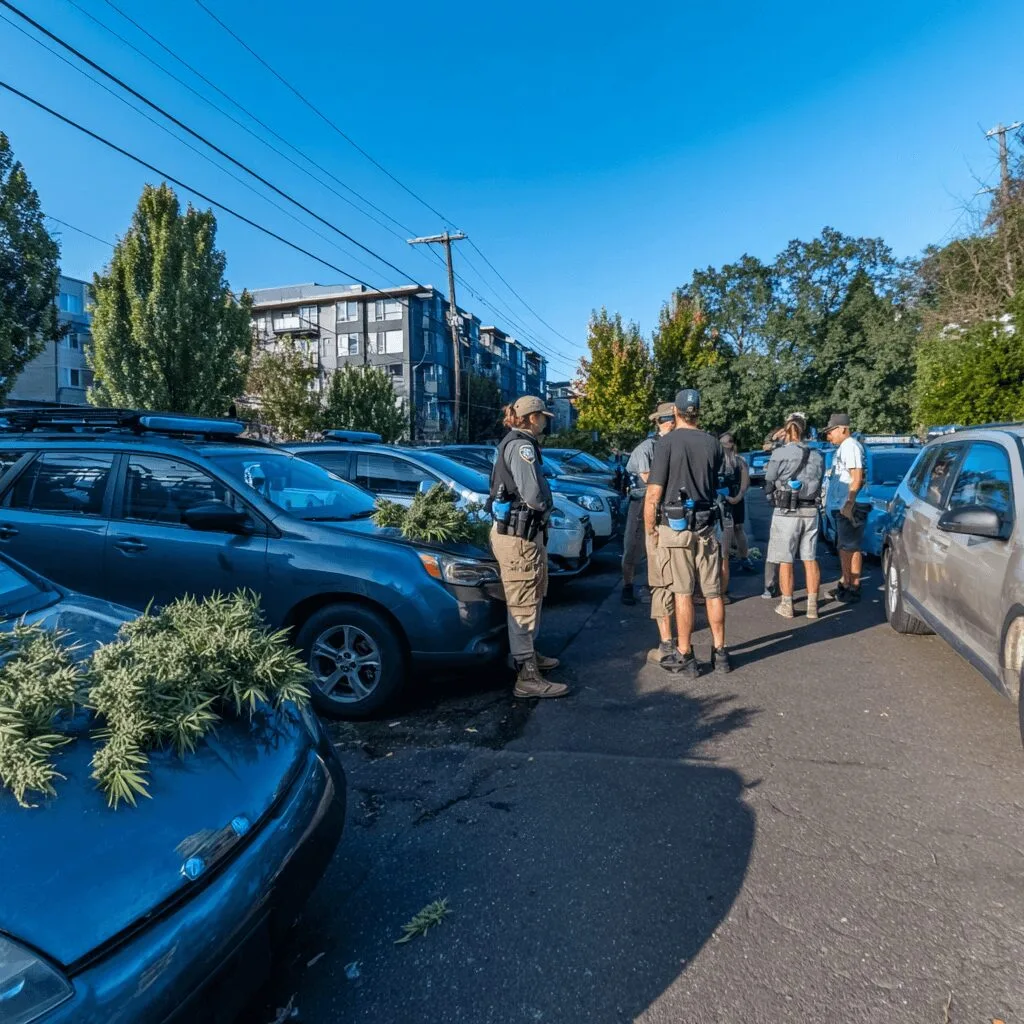
Chambers County drug arrests: Task Force Makes Big Bust
In the evolving landscape of America’s approach to cannabis, local enforcement still sparks headlines—especially where prohibition remains the rule. The recent Chambers County drug arrests underline just how much debate simmers about law, justice, and modern cannabis culture. As cannabis reform sweeps the country, yet another major bust—the arrest of 52 people in a three-month operation—puts Chambers County under the microscope. Let’s break down what happened, why, and what it means for the real future of cannabis justice and the communities caught in the crossfire.
Understanding the Legal Landscape and Local Context
Chambers County, like much of Alabama, is governed by some of the Southeast’s strictest cannabis laws. While states such as Illinois and California move further toward legalization and regulation, Alabama still restricts any adult personal or medical cannabis use beyond tightly limited CBD. According to the National Organization for the Reform of Marijuana Laws (NORML), simple cannabis possession in Alabama can land you up to a year in jail for even tiny amounts. This regulatory gap widens the disconnect between the national and local markets, and undeniably shapes the way events like the Chambers County drug arrests are policed and prosecuted. Discussions surrounding this issue also touch on how policies in other states, such as recent Michigan cannabis law changes, contrast with the local legal climate. Statewide, conversations continue about the social cost of enforcing prohibition, disproportionately impacting underserved communities while national industry revenues soar past $33 billion, according to Marijuana Moment.
Key Developments: What Really Happened in the Recent Chambers County Drug Arrests in 2024
Here’s the sticky nugget: From October to December 2024, the Chambers County Drug Task Force coordinated a sweeping operation netting 52 individuals implicated in alleged cannabis and related narcotic offenses. As reported by WTVM News, this bust came after months of surveillance and undercover work in both urban and rural areas. Investigators reportedly seized pounds of green leafy cannabis, along with paraphernalia and small quantities of harder substances. Arrests occurred across residential neighborhoods, apartment complexes, and roadside traffic stops, often startlingly public and visible.
Many of the accused now face felony charges, including intent to distribute and possession with aggravating circumstances. Local authorities emphasized their efforts to “keep communities safe,” while critics argue the effort disproportionately targets non-violent, working-class residents. Public reaction has varied sharply, with some calling the crackdown overdue, while others question the continuing wisdom of pursuing low-level cannabis offenses in a rapidly changing legal environment. This chapter in Chambers County drug arrests exemplifies ongoing national friction between local enforcement and shifting social norms, a conversation echoed in national headlines like recent changes in rescheduling discussions and investment trends.
Expert Analysis: Deeper Meaning for Cannabis Culture and Policy
So, what’s the big picture here? First off, raids like the Chambers County drug arrests reinforce how Alabama diverges from coast-to-coast cannabis trends. According to advocacy group Last Prisoner Project, cannabis arrests remain a top driver of mass incarceration in the Deep South. NORML’s Legal Director Paul Armentano summarizes, “Law enforcement resources could be better spent addressing serious and violent crime, rather than continuing to criminalize otherwise law-abiding citizens for low-level marijuana offenses.”
For the industry, while local markets remain closed, national operators are closely watching southern states for future opportunities, a perspective mirrored by organizations tracking sector growth. This gap between market evolution and local crackdowns often leaves residents caught in transition, highlighting the importance of reform. National outlets such as Leafly News have documented how legal markets tend to see declining arrests and improved community safety. These shifting dynamics share similarities with emerging workplace rules as marijuana is reclassified around the country, reinforcing the complexity of aligning policy, enforcement, and public sentiment in 2024.
Looking Ahead: Will Chambers County Drug Arrests Spur Change?
If there’s a green lining here, it’s that moments like the Chambers County drug arrests spotlight the need for real cannabis reform. Public attitudes are shifting, and calls for smarter policy are louder than ever—even in the heart of prohibition country. As chronicled by NORML Alabama, legislative efforts to modernize cannabis laws are on the rise, though not without resistance.
Across the U.S., legal cannabis is increasingly normalized, valued for medical, economic, and social benefits. Chambers County’s recent crackdown is a reminder of the obstacles left, but also of the inevitability of progress. Grassroots advocates, business leaders, and ordinary residents—everyone has a stake in how local cannabis policy evolves.
The future? Expect more conversation and, hopefully, compassionate reform. Because in the end, no one should lose their freedom for a plant that much of the country already embraces. The story of the Chambers County drug arrests is still being written—and it’s a chapter America can’t afford to ignore.
Originally reported by: wtvm.com



1 Comment
Pingback: DEA psychedelic production quotas: What’s Changing in 2024?