



CBP drug seizure El Paso: Massive Bust at City Ports
The topic of CBP drug seizure El Paso is grabbing attention because border enforcement and drug trafficking remain hot-button issues impacting both cannabis culture and broader criminal justice trends. With continuing changes in state and federal laws, and new enforcement strategies making headlines, this recent seizure at El Paso illustrates how old-school prohibition policies shake up today’s marketplace. Let’s break down what really happened, and what it means from a cannabis industry insider’s perspective.
Setting the Stage: Cannabis, Border Law, and Market Realities
The clash between state-legal cannabis markets and federal law is nothing new, but recent crackdowns, like the CBP drug seizure El Paso, highlight how tension remains strong at the border. In Texas, cannabis remains illegal for recreational use and federal agencies stand guard against trafficking across international lines. Meanwhile, NORML and the Leafly Policy Blog report that most Americans now support legalization, and the market for legal cannabis in neighboring states continues to grow. The discussion about taxation and economic effects mirrors experiences in communities where cannabis revenue led to unexpected revitalizations, like in Danbury, where cannabis tax revenue has supported new initiatives. Federal policies, led by the U.S. Customs and Border Protection and DEA, keep creating obstacles for cross-border movement and industry normalization, even as public opinion shifts. For cannabis professionals, this means staying hyper-aware of state lines, regulatory gray zones and the risk of property or product confiscation, which the El Paso bust exemplifies.
Breaking Down the Bust: What Really Happened in El Paso?
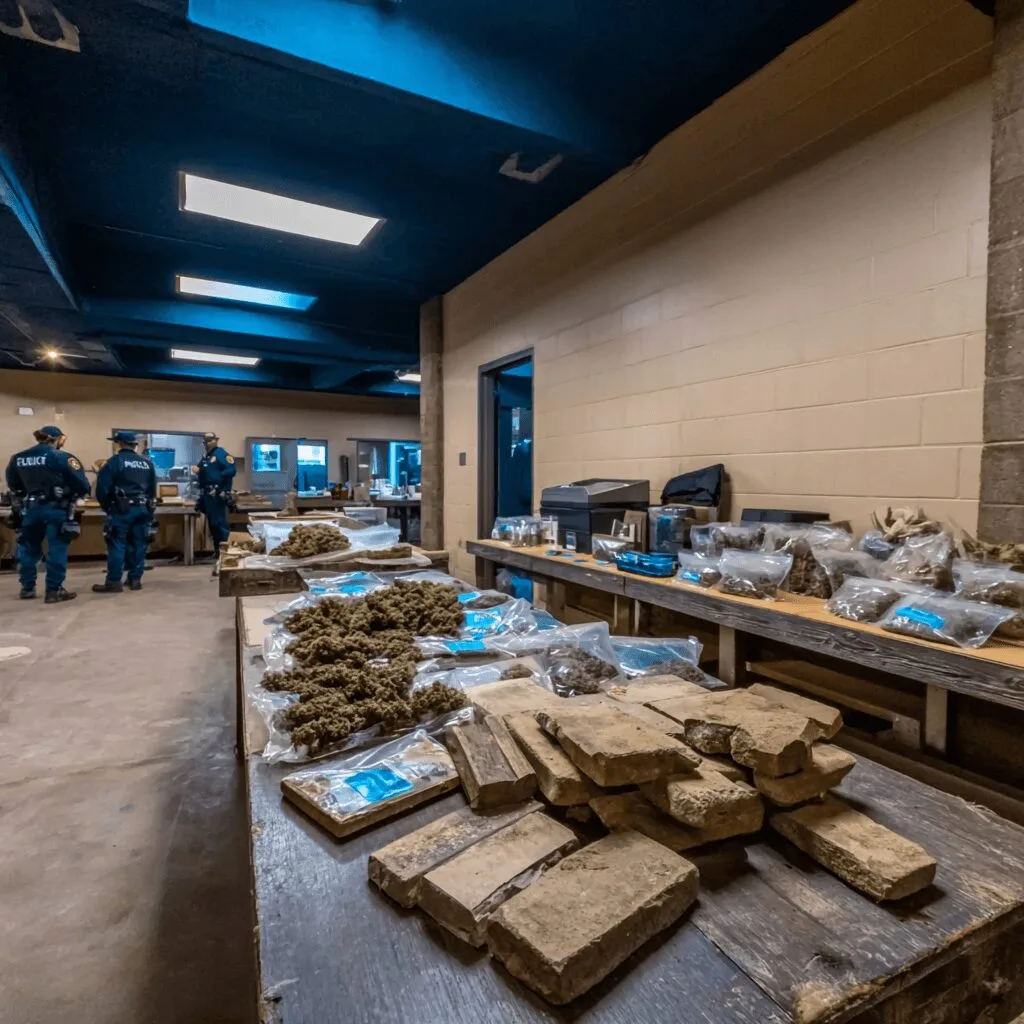
On November 7, 2025, U.S. Customs and Border Protection (CBP) officers in El Paso, Texas, made headlines with a significant drug seizure. According to the El Paso Times, nearly 263 kilograms of illicit substances, including cocaine, fentanyl, methamphetamine, and marijuana, were confiscated at border checkpoints serving the city. The operation unfolded across several El Paso ports of entry, with officers discovering drugs hidden in vehicle compartments and cargo shipments. While the seized goods included cannabis, the lineup also featured substances with much higher risks and lethality, like fentanyl and meth. These kinds of seizures reflect the ongoing challenges of federal versus state regulation, similar to cases where local communities must navigate overlapping laws, as seen in recent debates over public law and tribal cannabis rights. CBP leadership emphasized the coordination, training and ongoing vigilance required to intercept traffickers attempting to exploit legitimate trade routes. The CBP drug seizure El Paso thus showcases law enforcement’s continued focus not just on hard narcotics, but also on cannabis, regardless of legalization trends on the other side of the state line.
Expert Analysis: Sorting Fact from Fiction in the Cannabis Conversation
Every time a big CBP drug seizure El Paso happens, we see familiar narratives push back against cannabis normalization: “Marijuana smuggling is out of control!” or “Legal weed fuels the black market!” But let’s unpack that. Industry insiders know that the black market exists for a lot of reasons, including patchwork legalization, uneven access and huge price gaps between legal and illegal supply, as discussed in Marijuana Moment. While this bust was dramatic, it’s also clear that the major health risks here come from fentanyl, not flower. According to a 2023 policy update from Drug Policy Alliance, “Cannabis-related border seizures are steadily dropping where state-level markets have opened, but multi-substance smuggling persists due to prohibition economics.” Cannabis expert David Downs puts it bluntly: “The harder states and feds lean on prohibition, the more you see creative trafficking, especially for high-value substances, not just weed.” In places with a dramatic increase in dispensaries and a booming legal market, community debates mirror the national conversation, such as those seen in Presque Isle, where cannabis dispensary growth has stirred debate over local impact. This shows that enforcement without sensible reform encourages riskier smuggling and blocks safe cannabis access for consumers on both sides of the wall. The CBP drug seizure El Paso is a stark reminder that harmonizing state and federal legalization is crucial, both for public safety and for cutting out organized crime middlemen.
Looking Ahead: Hope & Reform for Cannabis at the Border
The CBP drug seizure El Paso serves as a wake-up call—a signal that, even as legal cannabis gains ground in much of the U.S., border policy remains out of sync with reality. The entire cannabis community, from dispensary owners to consumers and policy advocates, should seize moments like this to push for smarter, safer, and more consistent regulation. The latest Pew Research Center findings show nearly 88% of Americans now support legal medical or recreational cannabis. With more states looking to open up legal markets, and increasing calls for federal reform, these border busts may soon become relics of a less enlightened era. For now, staying educated and engaged is the name of the game. Positive change may be just a policy shift away.
Originally reported by: elpasotimes.com