





CBD store regulation: Why Bans Hurt Consumers & Industry
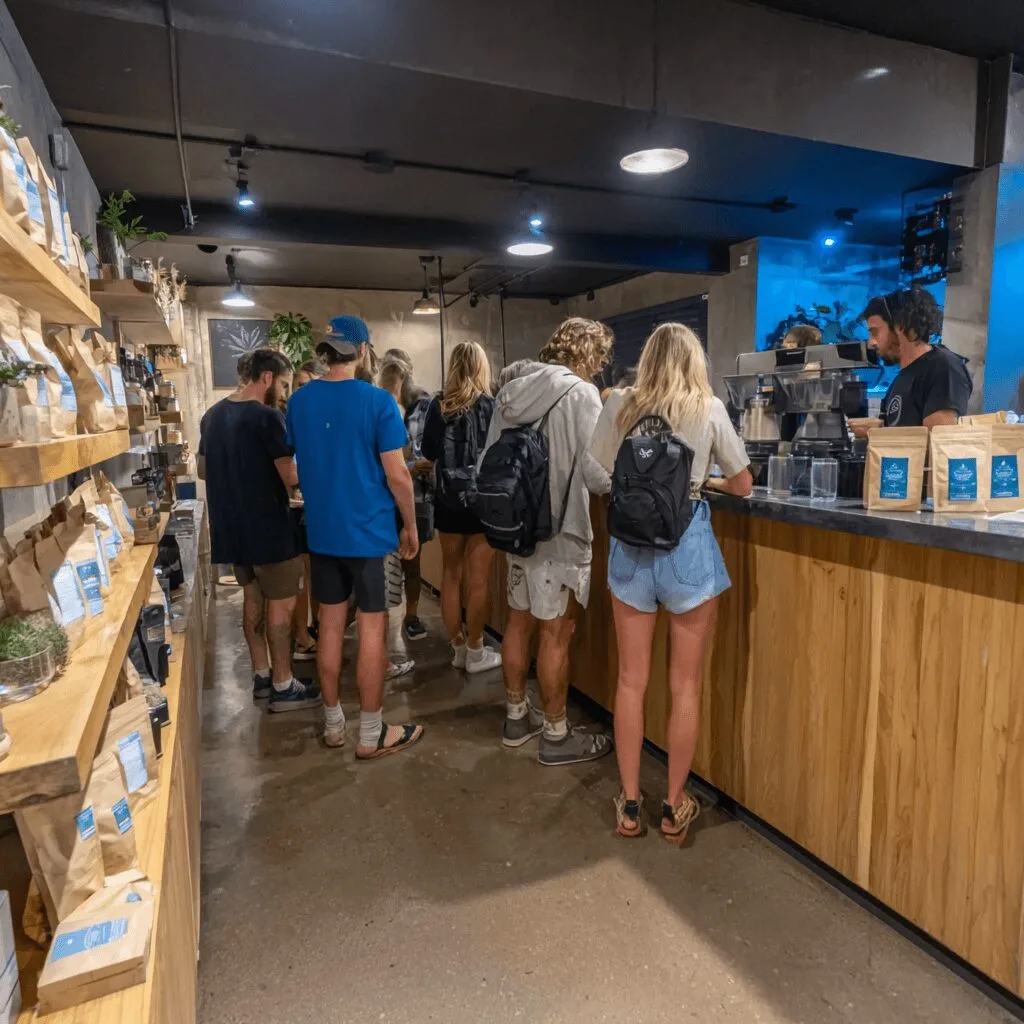
Let’s talk about CBD store regulation—a topic that’s buzzing louder than ever as state and local lawmakers clash over hemp-derived wellness products. As the wellness wave sweeps the U.S., new bans and restrictions threaten not just the industry but consumers seeking safe alternatives. The spotlight is on Ohio, where ongoing regulatory drama is challenging access to legitimate CBD products. This matters now because CBD’s mainstream adoption depends on balanced rules, not knee-jerk bans. We’ll break down what’s happening, the forces at play, and why smarter solutions are urgently needed.
Understanding CBD Store Regulation: Legal and Market Foundations
Cannabis reform has made huge leaps since the 2018 Farm Bill federally legalized hemp and its derivatives under 0.3% THC. While CBD went mainstream, local and state regulations remain a wild patchwork. In some states, retailers enjoy clear frameworks and growing markets, while others—such as Ohio—see the legal status of cannabinoids constantly shifting, making compliance a fraught dance. Consumers crave safety, quality and access, while retailers, caught in the middle, navigate definitions of ‘legal’ versus ‘gray area’ that seem to change overnight. Regulatory confusion breeds unintended risks: products can vanish from shelves without warning and reputable operators get punished, while less scrupulous competitors may thrive in the background. As Leafly reports, stable, consumer-focused CBD store regulation is essential for health, transparency and industry growth. For those entering the business or current operators, learning from regions that have already faced major policy shifts can be enlightening—other communities have had to quickly adapt to changes in cannabis business regulations and market expectations.
Key Developments in Ohio: Ban Fallout and Industry Pushback
June 2024 brought a storm to Ohio’s wellness marketplace. Sunmed, the company behind Your CBD Store, vocally condemned state and local pushes to ban lawful hemp-derived wellness products. According to PR Newswire, stakeholders rallied after county officials began restricting the retail of even FDA-compliant, third-party-tested hemp products. Sunmed warned this trend could force the closure of dozens of legal, tax-paying CBD shops. Current state proposals would block sales of popular CBD tinctures, gummies and topical oils, despite compliance with the Farm Bill and robust safety standards. Notably, these moves ignore positive recommendations from groups like the U.S. Hemp Roundtable, which supports sensible age limits and product testing—rather than outright bans. This type of regulatory overreach has impacted other categories as well, such as strict market controls and surprise bans in places where cannabis market challenges have driven both confusion and adaptation among businesses. As consumers scramble to find safe access points, industry leaders worry bans will send shoppers to the unregulated online market or underground instead.
Expert Analysis: The Real-World Impact of Overregulation
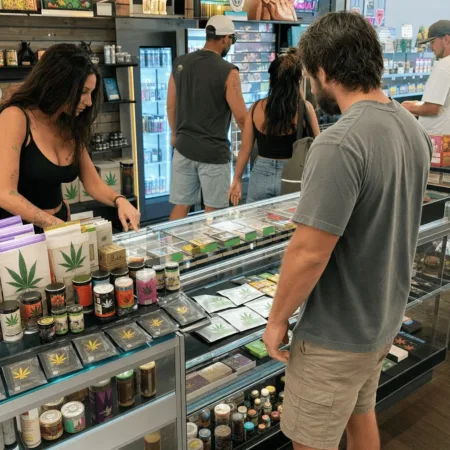
Let’s not sugarcoat it, when lawmakers swing the regulatory pendulum too far, everyone loses. Heavy-handed CBD store regulation leaves consumers in the lurch and stifles hard-earned entrepreneurial momentum. Colorado-based industry analyst Riley Bishop notes, “Bans rarely eliminate demand, they just shove it into the gray market, where there’s less oversight and more risk” (High Times). Rather than clearing up confusion, these zigzagging rules breed uncertainty and distrust. According to Benzinga, most Ohio CBD retailers already follow best-in-class lab testing and age verification, but patchwork bans still place their livelihoods at risk. Industry data show consumers prefer buying from regulated storefronts—where they can get advice, see lab results, and avoid questionable products. This is echoed in reports featuring how responsible purchasing improves safety and the overall consumer experience. Balanced CBD store regulation can power growth, encourage accountability and remix the market’s vibe for the better.
The Road Ahead: Why Smart CBD Store Regulation Matters
Even with Ohio’s current turbulence, the broader cannabis industry trend is clear: responsible CBD store regulation is the best path forward. Pioneering states like Colorado and Oregon prove that balanced, science-based approaches work, as Cannabis Business Times reports. Consumers gain safer options, communities see economic benefits, and the stigma tied to cannabis slowly fades. As wellness culture spreads and market demand grows, future regulations should be crafted by policymakers, consumers, and industry pros alike. If Ohio’s leaders choose evolution over prohibition, they’ll keep their local market thriving and serve as a model for other states grappling with similar controversies. Let’s push for open-minded reform—one rooted in evidence, compassion, and a clear-eyed understanding of what real people want. The next chapter in CBD store regulation promises progress: more access, smarter controls, and a healthier future for everyone.
Originally reported by: prnewswire.com

2 Comments
Pingback: Marijuana ballot initiative: What Niles rally revealed
Pingback: South Dakota anti-cannabis legislature faces five-year battle