




California cannabis market challenges exposed: What’s next?
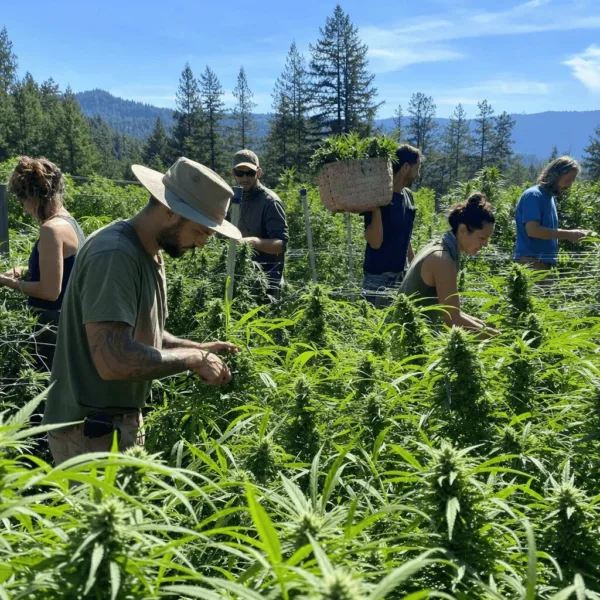
If you’re watching the Golden State, you know things aren’t always as chill as they look from the outside. California cannabis market challenges are in the headlines again, and for good reason. State regulators, local businesses, and consumers are all feeling the impact of a rough-and-tumble marketplace. Unlicensed sellers, tax headaches, and regulatory complexity are keeping the industry on its toes. What’s next for California cannabis? Let’s dive in, break it down, and get real about what’s going on—and what the future might bring.
The Roots of the Struggle: California Cannabis Market Challenges in Context
California didn’t just legalize cannabis and call it a day. The state set up a unique legal and regulatory maze, and it’s left plenty of folks scratching their heads. Marijuana Policy Project reports that the state’s strict licensing rules, layered taxes, and patchwork of local bans create a real mix of opportunity and obstacles. While Prop 64 opened the doors for legal adult use in 2016, local officials retain the right to block dispensaries or farms in their areas. The California Department of Public Health and Department of Cannabis Control enforce rigorous product standards and compliance audits. Meanwhile, the legacy of the underground market persists, as some towns or counties refuse to allow licensed stores at all, according to industry trackers like Leafly. Add in competition from illicit sellers (who dodge taxes and rules), and the result isn’t always easy for legal business owners or the communities depending on new tax revenue. The situation cross-reflects challenges seen globally—for instance, see how international legal pressures impact enforcement, such as in this recent drug smuggling case involving a pregnant UK teen. It’s a one-of-a-kind market, with some custom-made headaches.
From the Headlines: Key Developments & Issues in the California Cannabis Market
Let’s get into the nitty-gritty. In recent coverage by MJBizDaily, Nicole Elliott, California’s so-called “cannabis czar,” publicly admitted that many of California’s ills stem from local bans and complicated oversight. In her words: “A third of regulated operators have left the market or never activated their licenses.” This bombshell hit as the state faces a shrinking roster of legal retailers, down to about 1,100 from nearly 1,500 a few years back, according to the state’s Department of Cannabis Control. California’s infamous illicit market remains strong. According to the Los Angeles Times, illegal sales still lure both buyers and producers away from compliance. Meanwhile, legal operators are forced to thread the needle on local rules, state taxes (sometimes north of 30%), and tricky federal law. Product testing, track-and-trace, and hefty compliance costs eat into slim profit margins. Some cities, such as Los Angeles and San Diego, are opening up, but many rural counties and suburbs ban dispensaries outright. State officials are scrambling to simplify licensing, offer enforcement boosts, and even push tax relief bills, but the feedback from business owners is a growing chorus: “Something’s gotta give.” This is not unique: in other U.S. jurisdictions, enforcement actions and the high stakes for minor marijuana possession are ongoing, as illustrated by recent reports from other states dealing with marijuana possession.
Expert Take: Industry Analysis and Smarter Cannabis Solutions
Veteran operators and advocacy groups see these California cannabis market challenges as a warning, yet also a call to action. As Leafly’s senior editor Bruce Barcott concluded, “The legal market can’t compete without a fair playing field. We need serious reform to bring consumers and entrepreneurs out of the shadows.” What’s clear is that current rules incentivize the black market and undercut legitimate players. High excise taxes, spotty local access, and layered bureaucracy are turning what should be a green rush into a marathon. Still, industry insiders praise recent efforts to unify enforcement and structure. Streamlining the California cannabis regulatory setup—as proposed by state senators in 2023—could cut red tape and lower start-up costs. Furthermore, pressure from advocacy organizations like NORML is already pushing state leaders to reconsider stiff penalties and excessive bureaucracy, in hopes of boosting equity, access, and safe business conditions across the board. Just as ongoing legal developments like the landmark Supreme Court marijuana lawsuit could signal change across the entire industry, hope remains that with the right mix of reform and collective effort, California could finally realize its potential as the world’s largest legal market.
Looking Forward: California’s Cannabis Market Challenges and the Road Ahead
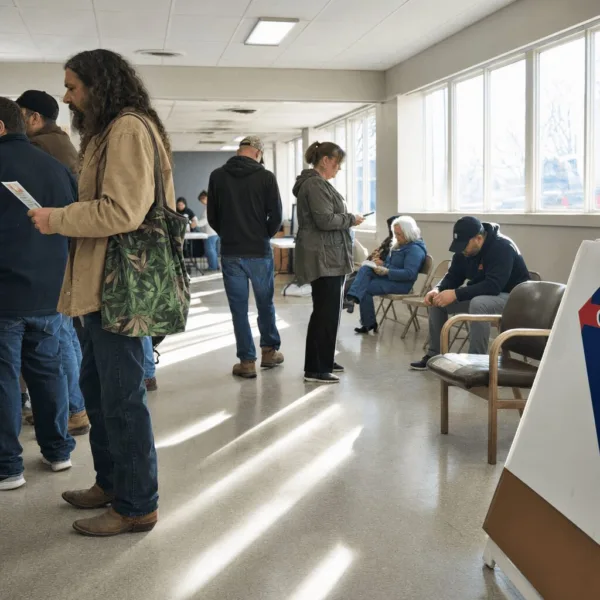
Sure, California cannabis market challenges are daunting. But if history has shown us anything, it’s that the industry, the culture—and the people—are resilient, creative, and determined. Consumer demand hasn’t slowed. Regulatory improvements and advocacy for fairer laws are gaining steam, and each election brings new potential for progress.
As Marijuana Moment reports, more voters are coming around to smart, science-led cannabis policies. With further legislative reform and industry innovation, California has a shot at taming the wild west marketplace and unlocking the full promise of legalization—higher tax revenue, safer products, and real social equity. Stay tuned and stay hopeful: the most interesting chapters of California’s cannabis story are yet to be written.
Originally reported by: mjbizdaily.com



1 Comment
Pingback: Wisconsin THC beverage expansion: Tattersall's Bold New Move