Carpinteria cannabis farm burglary: Shocking details revealed
If you thought the cannabis industry was just chill vibes and green fields, think again. The recent Carpinteria cannabis farm burglary has sent shockwaves through California’s Santa Barbara cannabis corridor, raising new questions about farm security, industry challenges, and community trust. As more legal cannabis farms supply the booming market, risks like these only highlight how the industry is evolving under the spotlight. If you’re into what’s happening at the grassroots—and yes, pun absolutely intended—there’s a lot you need to know. This isn’t just another crime headline; it’s a wake-up call for growers, advocates, and anyone riding the green wave. Let’s dig into what’s behind this Carpinteria cannabis farm burglary, its ripple effects, and what it really means for the future of legal cannabis.
Cannabis Industry Security: The Roots and Risks
The Carpinteria cannabis farm burglary doesn’t exist in a vacuum, it’s wrapped up in the legal, regulatory, and social complexities unique to California. Since recreational legalization through Prop 64, the Golden State has wrestled with regulations, security mandates, and patchwork local ordinances. Farms, especially in places like Carpinteria Valley, operate under strict licensing from agencies like the California Department of Cannabis Control. Yet, being compliant is different from being immune to crime. According to Leafly’s industry analysis, the surge in high-value crops has unfortunately attracted unwanted attention, from opportunists to organized crime. Combine valuable product, rolling acres, and sometimes remote locations, and you get vulnerabilities that even state-of-the-art systems can’t always cover. Meanwhile, cash-burdened transactions (since many banks shun cannabis) often heighten these risks, complicating both prevention and response strategies. As many states struggle with implementing new rules, some, like Vermont, have introduced important cannabis advertising guidelines to provide additional clarity to businesses. The Carpinteria cannabis farm burglary taps into this ongoing struggle between legality and security, reminding us that legal weed isn’t crime-proof weed.
The Carpinteria cannabis farm burglary: What Actually Happened?
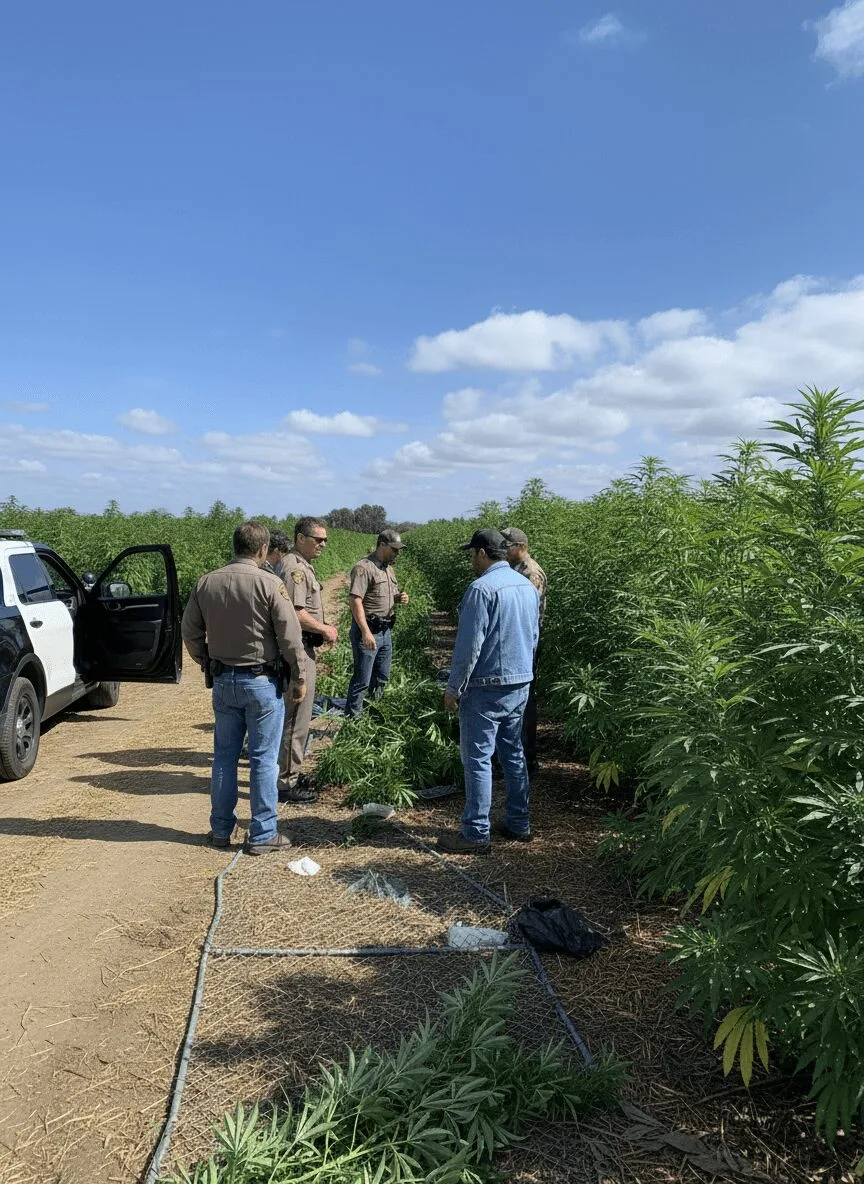
According to early reports from Noozhawk, the morning of the incident at a local Carpinteria cannabis operation quickly turned chaotic. Deputies responded to reports of suspicious activity at a regulated cultivation site, just as workers noticed broken fencing and signs of forced entry along the property’s edge. The farm, whose name remains undisclosed while investigations continue, was hit during early daylight hours, a bold move compared to typical after-dark burglary attempts. Multiple suspects reportedly slipped away, prompting a coordinated response that included traffic stops and increased patrols across rural Santa Barbara roads. Several vehicles were apprehended, law enforcement recovered scattered evidence, including debris and damaged crop sections. No significant injuries were reported, but with the Cannabis Control Board actively monitoring the aftermath and encouraging industry-wide vigilance, the Carpinteria cannabis farm burglary escalated quickly from a local emergency to a talking point throughout California’s legal marijuana scene. Recent community concerns mirror those in other states considering or implementing major policy shifts, such as in Ohio, where marijuana restriction referendums are up for debate. As of now, Santa Barbara County sheriffs have increased night patrols in agricultural districts while farm owners reevaluate their on-site security measures. The story remains fluid, with new facts emerging daily as authorities pursue additional leads and community leaders voice concern over protecting local business investments.
Expert Analysis, High-Stakes Security and Industry Lessons
The Carpinteria cannabis farm burglary highlights more than just a lapse in security, it’s a referendum on the industry’s growing pains. According to security consultant Josh Drayton from the California Cannabis Industry Association, “As the market matures, so do the tactics of those looking to exploit it. We need to stay a step ahead, not just with tech, but through community action, training, and open dialogue with law enforcement.” Drayton’s viewpoint resonates. Legal farms often face resource constraints, even while being the most regulated sectors in California agriculture. National watchdogs such as the National Organization for the Reform of Marijuana Laws (NORML) emphasize that even as compliance rates soar, old stigmas sometimes leave cannabis businesses with fewer protections or public sympathy. Still, every challenge faced and overcome redefines industry norms. Ongoing legal ambiguity is also impacting regions like Florida, where adult-use marijuana legalization efforts highlight hurdles and pathways forward for cannabis business owners. Many insiders believe that well-publicized incidents like the Carpinteria cannabis farm burglary will ultimately drive smarter, standards-based security, teamwork with local agencies, and stronger insurance frameworks. In short, adversity breeds adaptation, and the resilient cannabis sector continues to lead the way.
Green Shoots Ahead: What the Carpinteria cannabis farm burglary Means for Cannabis Progress
Setbacks like the Carpinteria cannabis farm burglary shouldn’t overshadow the massive strides forward made by the cannabis community. Each incident prompts important conversations about modernizing farm security, strengthening business resilience, and closing regulatory loopholes. As licensed growers increasingly team up with local law enforcement, the industry demonstrates not just transparency—but genuine commitment to public safety and farmer livelihoods. According to a recent Marijuana Moment analysis, policy reforms around security and insurance are already under review due to situations just like this. Bottom line: Don’t let a handful of opportunists define the potential of this thriving sector. With local activism, improved tech, and continued legalization momentum, Carpinteria’s cannabis farms—and those across the state—are poised to keep growing greener and safer every season.
Originally reported by: noozhawk.com