

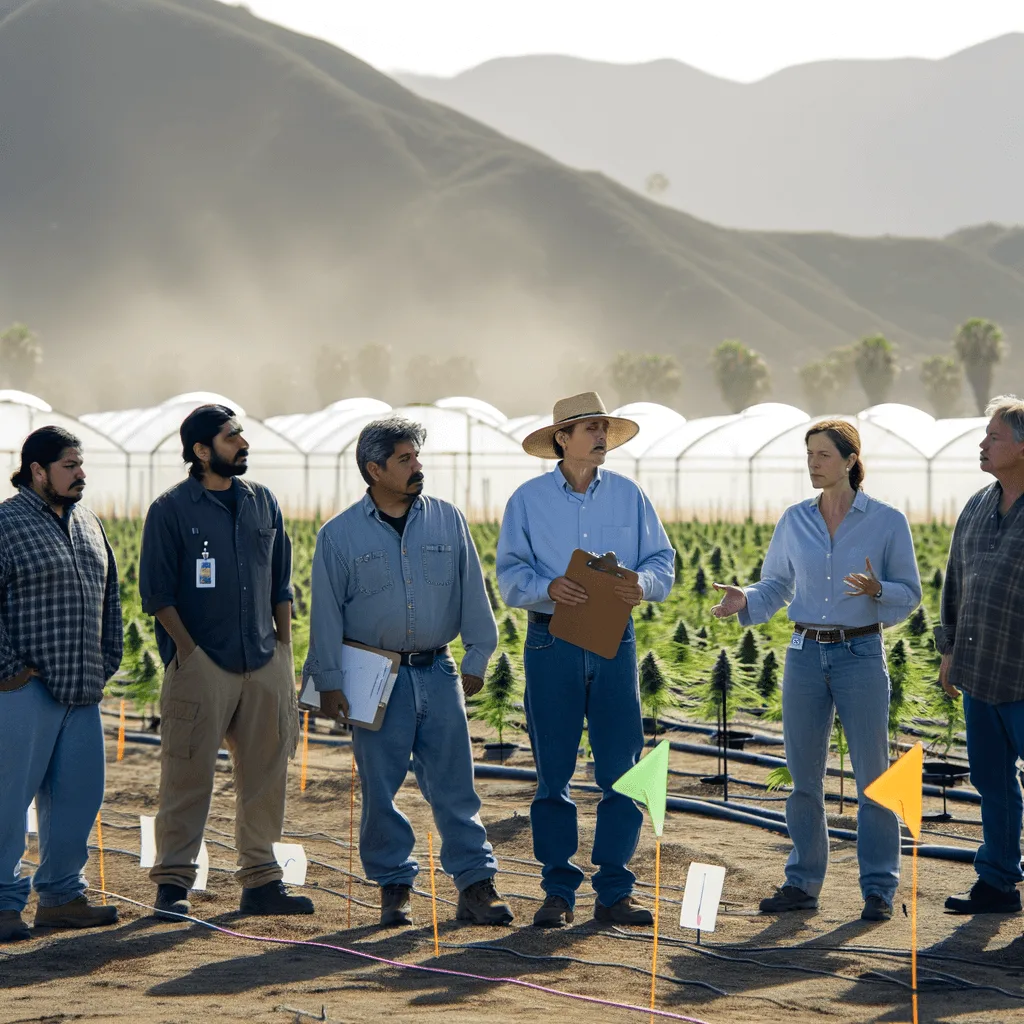
Carpinteria Cannabis Acreage Cap: What the New Limit Means
Fresh changes to cannabis cultivation limits have put the Carpinteria cannabis acreage cap front and center, stirring lively debate across Santa Barbara County. With California’s cannabis market evolving like never before, growers and residents alike are watching these new rules closely. Whether you’re a seasoned industry bud or just curious about what tighter controls could mean, now’s the time to dig into how the Carpinteria cannabis acreage cap will reshape local farming, business opportunities, and community relations. Let’s break down what’s changing, why it matters, and how all this fits into the bigger, hazier world of California cannabis.
Background: Why the Carpinteria Cannabis Acreage Cap Exists
To really get the good vibes, and the current tension, you’ve got to know why the Carpinteria cannabis acreage cap is grabbing headlines. California greenlit recreational cannabis back in 2016, but local governments can set their own rules for farming. According to the California Department of Cannabis Control, cities like Carpinteria shape their landscapes with local ordinances. Carpinteria’s greenhouse bounty, once roses and tomatoes, turned into a cannabis powerhouse after legalization, drawing national attention from publications like the Los Angeles Times. But this booming scene isn’t without controversy. Local residents voice concerns about odor, water use, and the area’s changing identity, while cultivators stress that legal, regulated grows support jobs and economic development. There have even been situations elsewhere—such as in Maine—where the cannabis industry attracted both rapid investment and intense debate around finance and legality, as seen in this in-depth look at high-stakes cannabis deals. Socially, the Carpinteria cannabis acreage cap reflects a broader tug-of-war between those embracing the industry’s promise and those wary of its impacts. Ultimately, it’s a case study in balancing California’s bullish legal market with the character and needs of the communities growing that green.
Key Developments: What the Acreage Cap Changes
So, what’s actually hitting the ground right now? On June 27, 2024, the Santa Barbara County Board of Supervisors voted to reduce the cannabis cultivation cap for Carpinteria’s greenhouses from 186 acres to 139. This marks a major shift, especially for companies like Glass House Farms and Autumn Brands, who have become big names in legal cannabis and employ hundreds locally. According to Coastal View News, the split vote reflected both public pressure and ongoing debate over what the right amount of cultivation should be. Supervisor Das Williams, who represents the region, argued that local complaints about odor, especially from legacy neighborhoods, made stricter limits necessary. Meanwhile, industry voices cautioned about cutting jobs and discouraging investment. Existing licensed farms get to keep operating, but new permits are now strictly limited, and operations without final approvals may be out of luck. In line with California’s environmental laws, these tighter controls are supposed to give officials more teeth in enforcement and oversight. This local move follows statewide trends, with lawmakers debating policies for regulating large-scale grows and ensuring local communities have a say. Other counties like Lake County are also navigating new cannabis permitting procedures as part of broader regulatory reforms.
Expert Insights: What the Cap Really Means for Carpinteria and Beyond
Now, here’s where the haze gives way to some clarity. Restricting the Carpinteria cannabis acreage cap is a double-edged sword for the local scene. On the practical side, capping acreage could ease neighbor complaints and keep the peace. But make no mistake, it puts real pressure on licensed cultivators to scale smarter or risk shrinking margins. According to a 2024 MJBizDaily report, most cannabis-friendly communities are wrestling with these same issues, balancing job creation and tax revenue with environmental and social impacts.
“Limiting acreage might quiet some critics, but it doesn’t change the demand for safe, legal cannabis. Instead, it stresses the need for clear regulations and robust oversight. Local economies benefit when policymakers and growers collaborate,”
says industry expert Amanda Reiman, Director of Research at New Frontier Data (source). There’s also a concern that restricting new licenses could tempt legacy farmers into gray-market operations, similar to issues seen during police raids on CBD operators, such as the police response in Texas that impacted the legal cannabis scene. Yet, nuanced caps, combined with strong compliance support, might empower only the operators committed to transparency, sustainable growing, and community engagement. As seen in Sonoma and Humboldt counties, where similar discussions rage, every cap triggers ripple effects that shape both economics and social perception.
Future of Cannabis in Carpinteria: Looking Forward
However you feel about the Carpinteria cannabis acreage cap, one thing’s clear: the times are changing in Santa Barbara County. Regulatory tweaks like this cap are likely to keep surfacing as California’s industry matures. But being ahead of the curve—adopting best practices, fostering honest dialogue, and focusing on sustainability—will set Carpinteria’s scene apart. Even as restrictions rise, legal cannabis continues its march toward wider acceptance, with Pew Research Center showing historic support for legalization across America. That’s good news for local economies, responsible businesses, and neighbors looking to work together. The new acreage cap is just one step in Carpinteria’s evolving green story—and with open minds and steady hands at the wheel, this community can keep growing, innovating, and thriving in California’s dynamic cannabis landscape.
Originally reported by: coastalview.com