


How Cannabis Water Sustainability Is Reshaping Tucson Dispensaries
With Arizona’s relentless sun and scarcity of water, cannabis water sustainability has become a top priority for Tucson’s dispensaries. As drought continues and conscious consumers pay attention to environmental footprints, dispensaries must find smarter ways to grow green while staying green. This movement isn’t just about saving a few drops; it’s about redefining what it means to be responsible in the cannabis industry today. This piece explores the latest trends, local leadership, regulatory realities, and what Tucson’s embrace of cannabis water sustainability means for future dispensaries everywhere.
What Drives Cannabis Water Sustainability in Tucson?
In the heart of the Sonoran Desert, water is worth its weight in gold, especially when it comes to growing cannabis. Arizona state law is strict about cultivation practices and Arizona Department of Water Resources mandates water conservation for licensed growers. Socially, Tucson has transformed into a hub for eco-conscious cannabis users and businesses who recognize that local ecosystems can’t be an afterthought. From mandatory reporting of water usage to public pressure for green certifications, dispensaries face mounting expectations to support both economic and environmental health. Recent regulatory crackdowns, as seen in cases like major reforms targeting patient access and clinic compliance, have highlighted similar patterns in other regions—underscoring the importance of balancing growth with sustainability. According to a recent Cannabis Business Times special report, water use reform is now a key metric for social responsibility in cannabis retail nationwide, with Arizona dispensaries called out as trendsetters in drought-prone markets.
Tucson Dispensaries Step Up: Key Developments & Issues
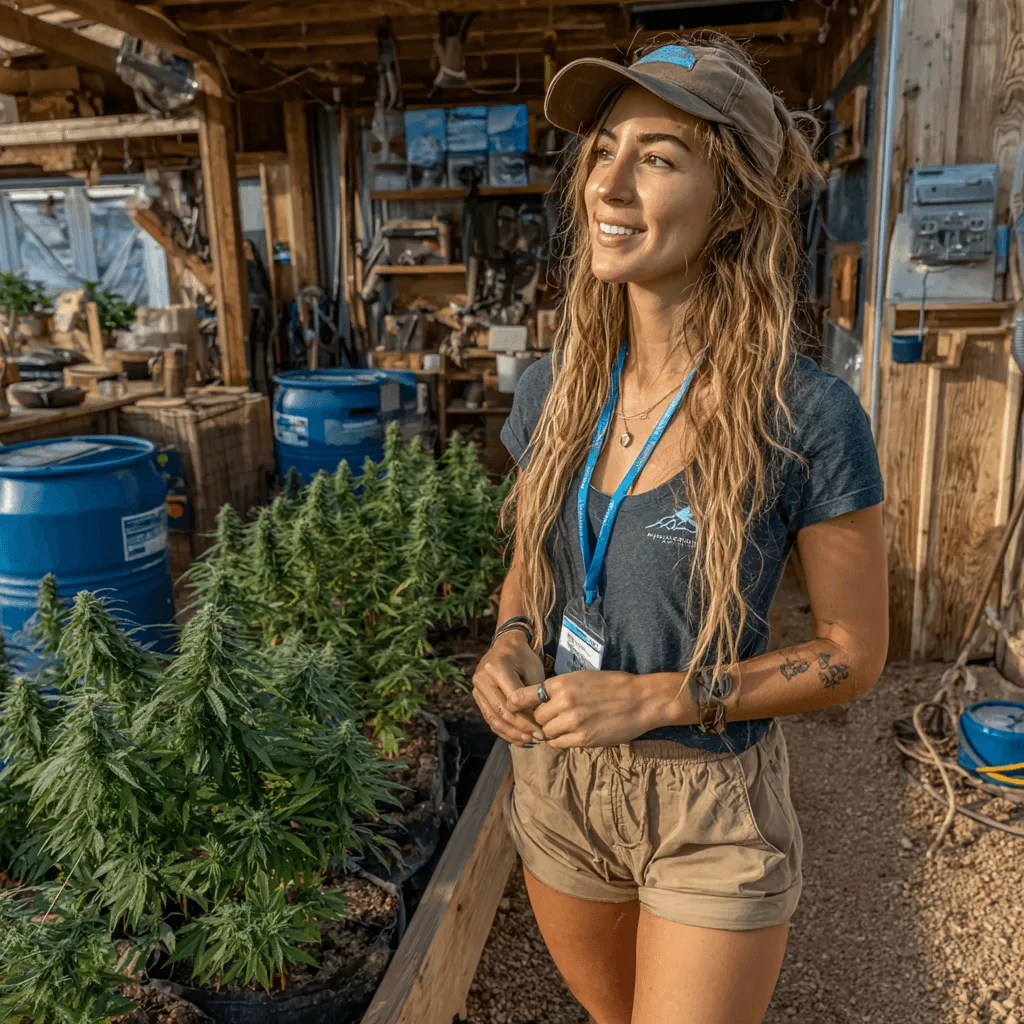
In a move drawing both local and industry-wide attention, Tucson’s Harbor Collective dispensary has launched a comprehensive water education program on-site. Kicking off in May 2024, the initiative gives community members hands-on looks at how cannabis water sustainability shapes the industry for both everyday tokers and old-school growers. According to Yahoo Finance’s recent coverage, staff host regular outdoor demonstrations beneath Tucson’s blazing sun, using actual cannabis plants, low-flow hoses, rainwater barrels, and drought-specific nutrients to show best practices for saving water without sacrificing quality. This public demo is not just for show: Harbor Collective’s CEO, Ellen Martinez, reports a 30% decrease in their water use over the past year by switching to reclaimed rainwater and modern irrigation systems. The dispensary is working with the Arizona Cannabis Industry Association to create spreadable educational resources for the rest of the state. They’re also responding to EPA WaterSense guidelines, ensuring their approach sets a credible, regulatory-friendly precedent for dispensaries in water-stressed communities. Industry-wide debates on access and compliance, seen in regions where patient access has been debated by health bodies and regulators, show how public policies can impact local cannabis businesses and water use strategies.
Expert Analysis & Insights: Why Cannabis Water Sustainability Matters
Let’s hit pause and spark up the bigger picture. The cannabis industry has long battled the bad rap of being a water-hungry crop, especially as regulatory scrutiny has increased in arid zones. For Tucson dispensaries, the switch to closed-loop irrigation, on-site water storage, and community demos doesn’t just shrink water bills, it builds public trust with eco-conscious neighbors. According to MJBizDaily, dispensaries that center cannabis water sustainability gain higher staff retention and customer loyalty rates. Industry scientist Dr. Carla Ramirez notes, “Implementing sustainable water practices in cannabis is a double win. You slash costs and show neighborhoods that legal cannabis can be part of the solution, not the problem” (Cannabis Industry Journal). Recent regulatory changes, such as large-scale greenhouse approvals that aim to align medical cannabis production with environmental standards, demonstrate how the sector is working to overcome challenges. Tucson’s educational approach mixes hands-on engagement with transparency, creating a model that could drive national policy shifts if adopted wider. As consumers demand greener weed, those who ignore water issues risk losing both market share and local credibility.
Outlook: Growing Greener, Together
The cannabis water sustainability movement is fast becoming the new normal—not just a nice-to-have marketing angle. Tucson’s proactive response signals a major turning point. Locals now expect dispensaries to lead by example. As water rights and ecological stewardship grow in importance, the industry is being pushed into the spotlight for more than just great buds. According to New Frontier Data, more cultivators and retailers nationwide are exploring drought-tolerant genetics and climate-smart infrastructure backed by public incentives. With open community education and strong collaborations with regulators, Tucson dispensaries are showing that cannabis water sustainability is not just a desert survival tactic—it’s the future of responsible cannabis. The ripple effect may soon reach markets far beyond Arizona, ushering in a greener, more resilient cannabis industry for everyone.
Originally reported by: finance.yahoo.com