






Cannabis Use and Sleep: What Science Says for Teens & Young Adults
Let’s be real: “cannabis use and sleep” is trending harder than an indie band after a Netflix cameo. With more teens and young adults grabbing headlines and sparking up—and bedtime struggles at an all-time high—it’s no wonder this combo is a hot topic. But what does the research actually say about cannabis use and sleep? From shifting laws to shifting mindsets, get ready for an honest, hype-free look at how cannabis is really impacting the next generation’s Zzzs, based on the latest science and industry insights.
The Social and Legal Landscape: Cannabis Use and Sleep in 2024
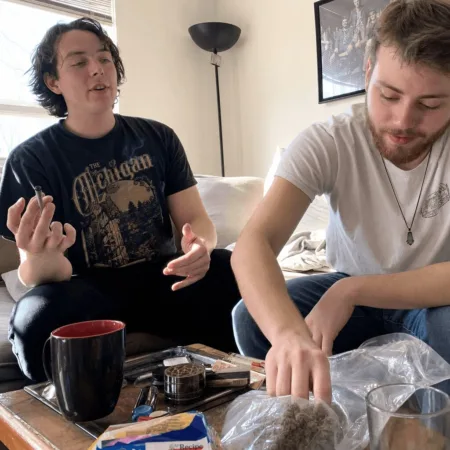
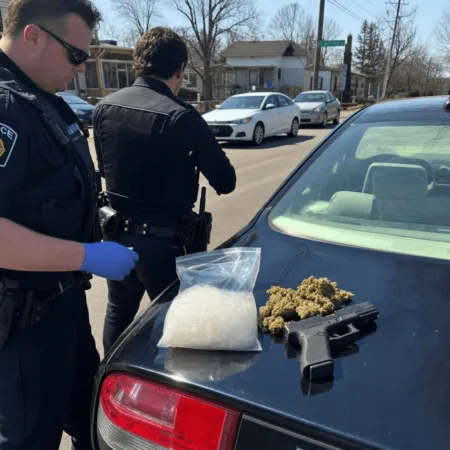
Understanding cannabis use and sleep means seeing the whole chessboard, including evolving legislation, shifting social norms, and real-life habits. Just a decade back, public opinion was hazy. But now, with 24 US states (plus DC) fully legalizing recreational use and dozens more allowing medical use, according to NORML, the stigma is fading fast. Teen and young adult demographics report both curiosity and increased experience with cannabis, and their reasons for use are getting deeper: it’s not just about chilling out or rebellion, it’s about stress, anxiety, and, yes, sleep. The American Academy of Sleep Medicine recently pointed out that nearly 70% of teens aren’t getting enough rest (AASM), a stat that adds urgency to debates around how cannabis affects shut-eye. The industry’s $33 billion valuation (according to New Frontier Data) shapes a marketplace teeming with products, from high-THC strains to mellow CBD edibles, each marketed as a cure, or a crutch, for sleeplessness. The discussion also picks up whenever law enforcement crackdowns stir public reaction, such as marijuana trafficking arrests sparking debate on cannabis laws. But are they helping or hurting?
Inside the Science: Core Facts on Cannabis Use and Sleep
Recent peer-reviewed studies are finally catching up to what the community’s been talking about for years. A 2024 issue of the Journal of Research on Adolescence dives deep into cannabis use and sleep among teens and young adults. Researchers tracked patterns, timing, and reasons behind both recreational and sleep-driven cannabis consumption. The study discovered that frequency matters, as light, occasional users often report mild improvements in falling asleep, but regular or heavy usage can backfire, increasing sleep disturbances. Significantly, some states have responded to concerns by initiating new rules, as seen when Ohio implemented restrictions on certain THC products. Interestingly, subjects who started young (pre-16) faced the worst sleep quality as adults. This isn’t just theory: the Centers for Disease Control and Prevention (CDC) note a sharp increase in teens citing insomnia or anxiety as their main reason for cannabis use. Yet, the article cautions that self-medicating can lead to patterns where users need more to get the same results. The study concluded: improving sleep with weed is far from one-size-fits-all, and sometimes, the cure can aggravate the problem, especially in younger brains still under construction.
Expert Insights: Cannabis Use and Sleep in the Real World
So what’s the vibe from folks who actually know their plants? According to Dr. Ethan Russo, neurologist and cannabis scientist at Project CBD, “Cannabis isn’t a magic bullet for sleep, but certain strains, especially those with higher CBD, do show promise for helping the mind wind down. The problem comes when young people dive into high-THC varieties or start using before bed too often. Balance, and the right education, are everything.” This mirrors trends highlighted in Leafly’s health coverage, emphasizing the importance of timing, dosage, and understanding individual reactions. Discussions about law enforcement actions and business impacts often arise, as when local communities observe CBD shop raids sparking outrage and calls for reform. It’s clear: cannabis interacts differently from person to person, and what works for one person’s sleep might not work for another. But experts agree, the conversation needs less judgment and more facts: smart dosing, self-awareness, and honest education are crucial if we want teens and young adults to avoid pitfalls while reaping any sleep rewards cannabis might offer.
Looking Ahead: Cannabis Use and Sleep—Hope, Hype, and Hard Truths
The future of cannabis use and sleep is wide open. Social acceptance continues to rise, and regulatory bodies are inching toward more research-driven policies. Industry analysts at MJBizDaily predict further refinement of cannabis products to target sleep issues, increased funding for long-term studies, and better education for young users. While the data show real risks, the possibility for therapeutic breakthroughs remains high, especially as stigma drops and honest dialogue replaces scare tactics. As states and communities get smarter about harm reduction, education, and access, a new generation may finally get the facts—and the rest—it needs.
Originally reported by: onlinelibrary.wiley.com
1 Comment
Pingback: Cannabis Medical School Competencies: What Every Med Student Needs